
⚠️ Waste batteries can pollute the environment, waste valuable metals, and increase raw material costs. ✅ Battery recycling helps solve these problems by turning waste into useful resources.
Battery recycling recovers valuable metals such as nickel, cobalt, manganese, and lithium from used batteries. It helps reduce waste, protect the environment, save resources, and support a more stable and sustainable battery supply chain.
Table of Contents
🔍 Why This Matters
Battery recycling is not only about waste treatment. It is also about creating new value from old batteries.
As electric vehicles and energy storage systems continue to grow, more and more batteries are reaching the end of their service life. This creates a serious waste problem, but it also creates a valuable opportunity. Used batteries still contain important metals that can be recovered and reused. Instead of treating them only as waste, companies can treat them as a source of useful materials.
Battery recycling makes this possible. Through proper recycling processes, valuable metals such as nickel, cobalt, manganese, and lithium can be separated and turned into battery-grade materials. These materials can then be used again in the production of new batteries. This helps reduce waste and also reduces the need for new mining.
♻️ Main Benefits of Battery Recycling
① Saving Valuable Resources
Used batteries still contain many important metals. These metals are needed to produce new battery materials, but mining them can be costly and unstable. Recycling gives companies another way to get these resources. It helps make better use of existing materials and supports a more stable supply chain.
② Protecting the Environment
If waste batteries are not handled properly, they can cause pollution. Harmful substances may leak into soil and water, and this can create environmental risks. Battery recycling helps reduce these dangers by processing used batteries in a safer and more controlled way.
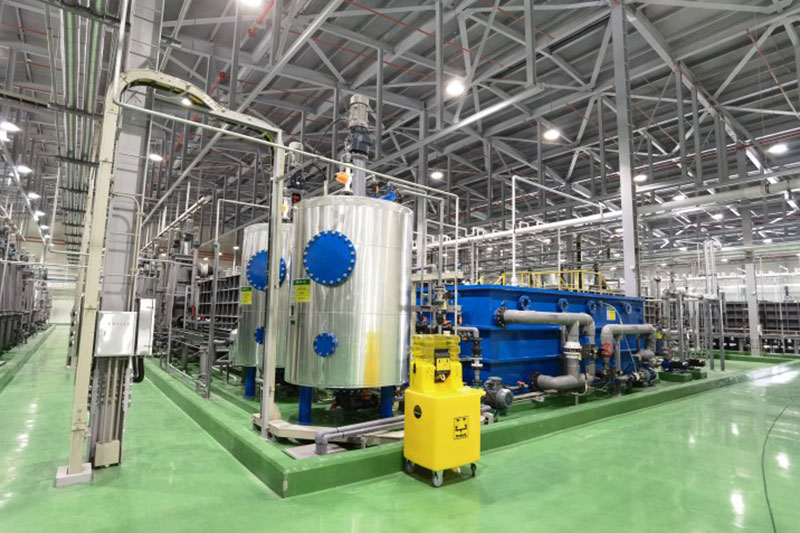
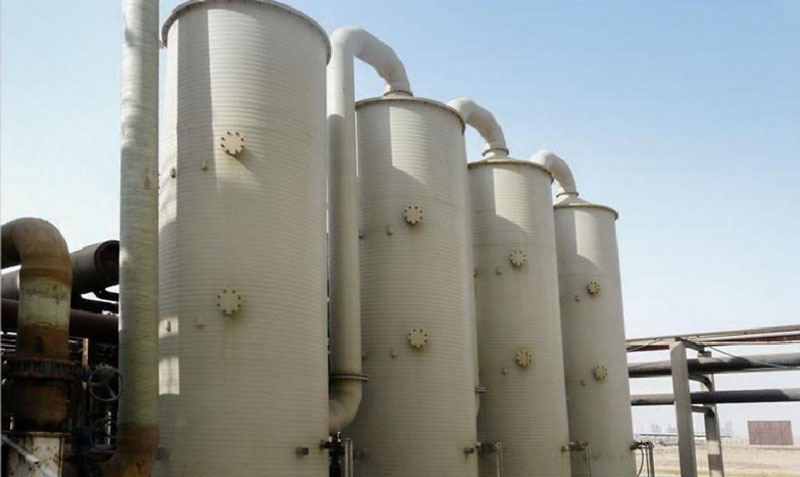
Modern recycling systems also need proper waste gas and wastewater treatment. This helps make sure the whole recycling process is cleaner and more environmentally responsible.
③ Creating Economic Value
Battery recycling is not only good for the environment. It also has clear business value. What was once seen as waste can now become a useful source of raw materials. As more batteries reach end of life, the recycling market will continue to grow.
For manufacturers and recyclers, this means new business opportunities. A good recycling system can improve material recovery, reduce waste, and create long-term value.
⚙️ Why Technology Matters
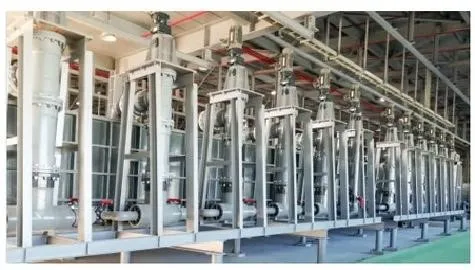
Battery recycling is a technical process. It usually includes steps such as disassembly, crushing, leaching, extraction, evaporation, crystallization, electrowinning, and precipitation. Each step is important because it affects recovery efficiency and final product quality.
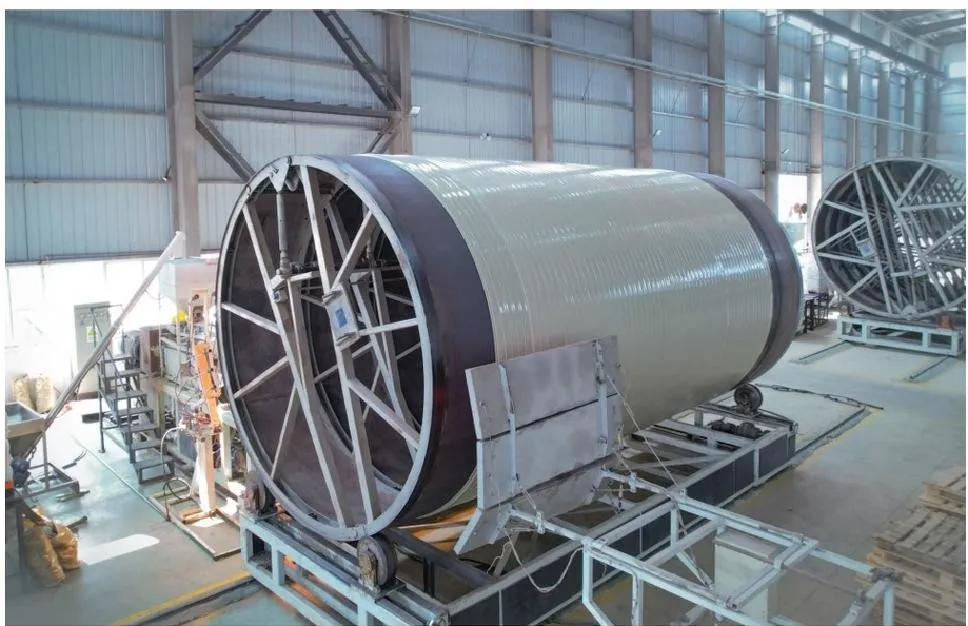
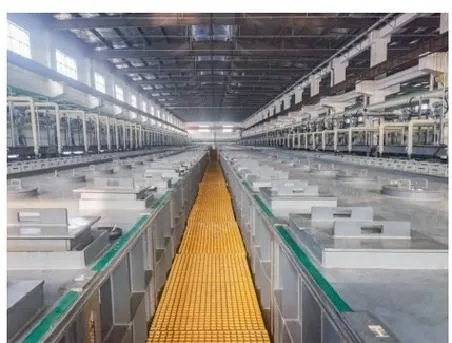
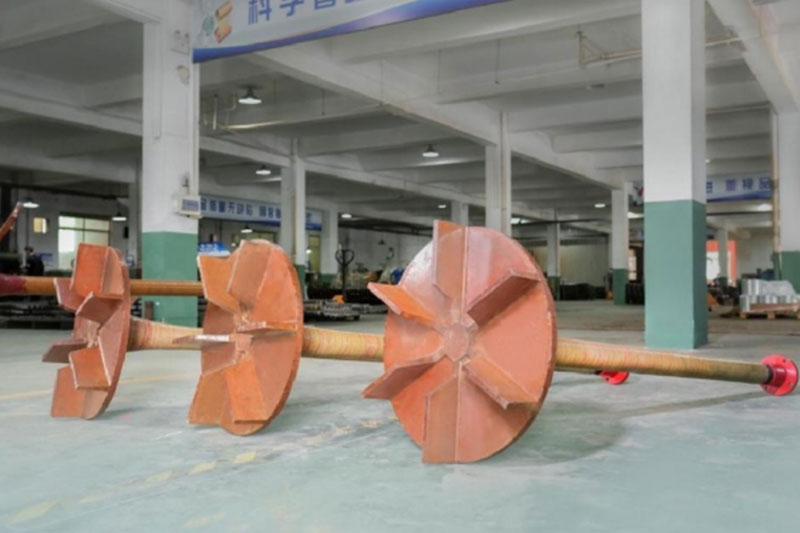
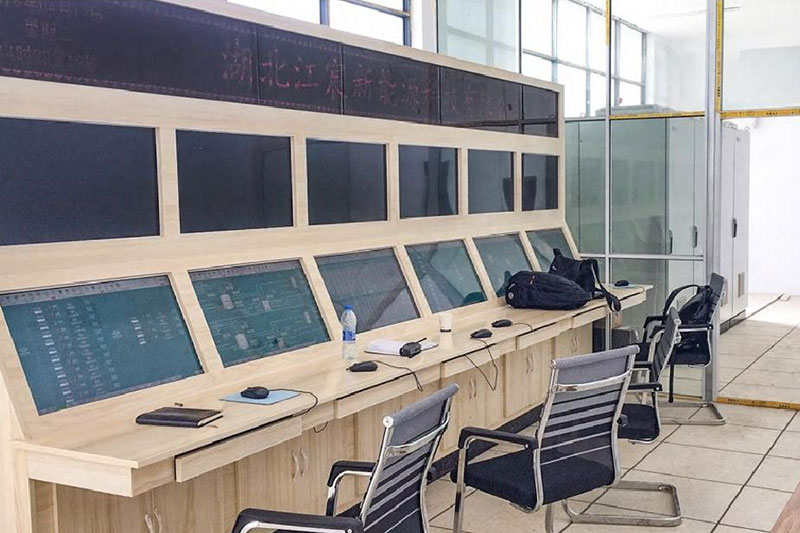
This means battery recycling is not just about using one machine. It needs a complete system, including process design, equipment selection, layout planning, automation, environmental protection, and project support. A well-designed process helps companies improve efficiency and achieve more stable operation.
🏭 The Role of Integrated Engineering
In real industrial projects, good engineering is very important. Different customers may have different battery types, capacity needs, and product goals. Because of this, recycling solutions often need to be customized.
According to company materials, TYIC has process capabilities for recovering nickel, cobalt, manganese, and lithium from used power lithium batteries and converting them into battery-grade materials. It has also designed more than 20 production lines in domestic and overseas markets. This experience is important because successful recycling projects depend not only on theory, but also on practical engineering, stable operation, and good quality control.
🚀 A Growing Opportunity for Industry
Battery recycling is becoming more important for companies that care about resource security, cost control, and sustainability. Recycled battery materials can help support production needs while also meeting environmental goals. This is especially important for industries related to electric vehicles, energy storage, and battery materials.
In simple terms, battery recycling turns a waste problem into a value opportunity. It helps recover useful materials, reduce pollution, and support the long-term development of the battery industry.
✅ Conclusion
Battery recycling turns waste batteries into useful resources, helping protect the environment and support a more sustainable battery industry.
 English
  Deutsch
  Français
  Português
  Español
  Italiano