
Table of Contents
The Role of Copper in Lithium-ion Batteries
Copper plays a vital role in lithium-ion batteries as a key component of the anode current collector, providing excellent electrical conductivity and structural stability. During battery operation, copper facilitates the flow of electrons, ensuring efficient charge and discharge cycles. However, when batteries reach their end of life, copper becomes a critical contaminant in the recycling process. Excess copper dissolution can hinder lithium recovery, contaminate valuable materials, and cause environmental issues. Therefore, understanding how to efficiently remove copper is essential for sustainable lithium-ion battery recycling and resource recovery.
Why Copper Removal Matters in Battery Recycling
Understanding the role and risk of battery copper is the first step—let’s now explore its environmental impact and the solutions.
1. The Role of Copper in Lithium-ion Batteries
Copper is a core structural and functional component in lithium-ion batteries. It serves as the current collector on the anode side, where it provides:
-
Excellent electrical conductivity
-
Stability under charge-discharge cycles
-
Mechanical support for anode materials
During battery operation, electrons flow through copper foils, ensuring energy transfer between cells. Its conductivity allows lithium-ion batteries to deliver high power density, a requirement in EVs and ESS (Energy Storage Systems).
However, once a battery reaches the end of its life, battery copper becomes problematic. If not properly controlled, copper can dissolve into leachate during recycling and contaminate lithium, nickel, and cobalt streams. This makes copper removal an essential prerequisite to high-efficiency, low-impurity recovery of valuable metals.
2. The Impact of Copper Pollution
Environmental Concerns:
-
Toxic to aquatic ecosystems: Copper ions in wastewater pose serious ecological risks.
-
Bioaccumulation risks: Even trace copper levels can impact microorganisms and human health.
-
Regulatory pressures: Many countries enforce strict discharge limits on heavy metals.
Technical Challenges:
-
Interference with metal separation: Copper dissolves along with cobalt/nickel, complicating purification.
-
Filtration system clogging: Precipitated copper can foul membranes and filters.
-
Product contamination: Trace copper in lithium salts or nickel sulfate degrades battery-grade material purity.
For efficient and compliant battery recycling, copper contamination must be eliminated early in the process.
3. The Copper Removal Solution
Effective copper removal combines chemical techniques and modern equipment. Key methods include:
✅ Selective Leaching
-
Uses acidic solutions optimized for low copper solubility.
-
Controls pH, redox potential, and leaching temperature to minimize copper in solution.
✅ Cementation and Precipitation
-
Iron powder or sodium sulfide is added to remove copper as metallic sludge.
-
Reduces need for downstream purification steps.
✅ Electrowinning
-
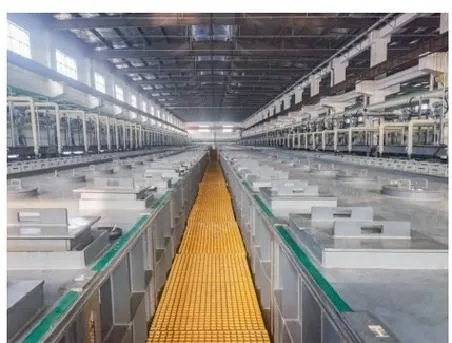
Recovers copper from solution as high-purity metal using electricity.
-
Environmentally friendly and yields a reusable product.
✅ Advanced Extraction Equipment
-
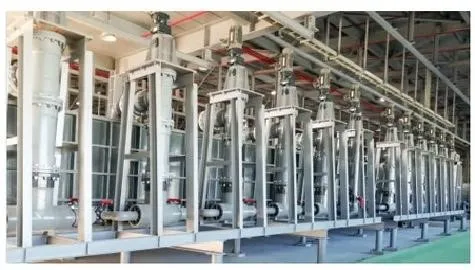
Micro-interface extraction systems (TYIC technology) enhance copper ion separation.
-
Tubular mixing extractors ensure stable and efficient leaching control.
These solutions not only improve copper removal efficiency but also increase recovery rates for lithium and other key metals.
4. Hydrometallurgical Process for Recycling Lithium-ion Batteries
Hydrometallurgy is the dominant method for lithium-ion battery recycling, featuring:
Step-by-Step Overview:
-
Mechanical pretreatment: Batteries are crushed, sorted, and separated into black mass and casings.
-
Leaching: Black mass is treated with acid (e.g., H₂SO₄ + H₂O₂) to dissolve metals.
-
Copper Removal: Adjusting conditions to remove copper before extracting other metals.
-
Solvent Extraction: Separates Co, Ni, Mn using selective organic extractants.
-
Lithium Recovery: Precipitated as Li₂CO₃ or recovered via ion exchange.
Throughout this process, copper must be carefully removed to:
-
Protect purity of lithium and nickel products.
-
Maintain equipment lifespan.
-
Avoid side reactions that increase operating cost.
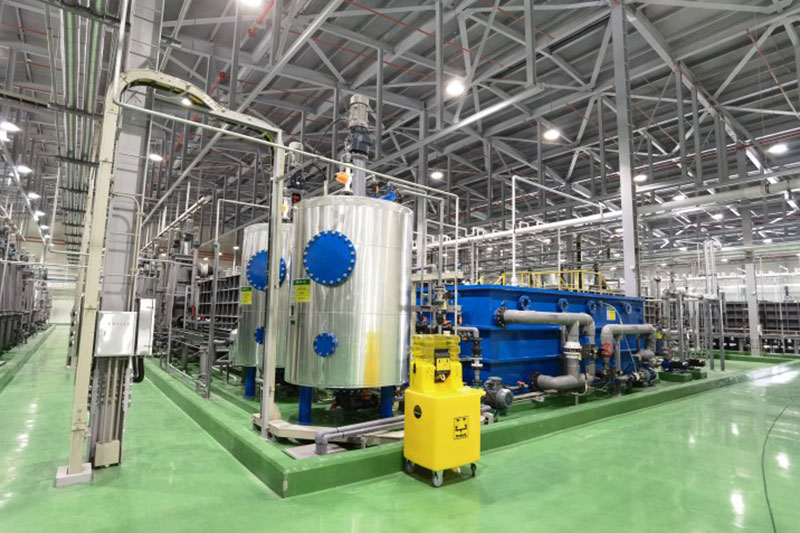
TYIC’s corrosion-resistant tanks and automated extraction systems are widely adopted in modern hydrometallurgical plants for this reason.
5. Lithium Battery Recycling Process
The full lithium battery recycling workflow integrates several systems:
🔄 Process Flow:
-
Collection & Sorting
Identification and classification by battery chemistry (NCM, LFP, etc.) -
Discharging & Dismantling
Removal of charge and safe deconstruction of battery modules. -
Crushing & Separation
Uses shredders, air separation, and magnetic sorting to isolate components. -
Leaching & Copper Removal
Black mass is chemically treated. Copper is removed early using optimized pH and precipitation. -
Metal Recovery
Through extraction, electrowinning, and crystallization, high-purity metals are obtained.
⚙ Technology Spotlight:
-
Ultrasonic separation for copper foil detachment
-
Closed-loop water systems for eliminating copper discharge
-
Micro-interface separators (from TYIC) for efficient copper ion removal
Modern lithium battery recycling demands low-energy, high-efficiency copper management, especially with increasing volumes of EV and ESS waste entering the system.
Conclusion
Copper removal is vital to ensuring safe, efficient, and environmentally sound lithium-ion battery recycling. With advanced hydrometallurgical techniques and specialized equipment, the industry can meet growing demand while protecting the planet.
 English
  Deutsch
  Français
  Português
  Español
  Italiano