
Lithium is primarily extracted from underground brine deposits through solar evaporation or Direct Lithium Extraction (DLE) technology, and from hard rock mines (like spodumene ore). Brine methods involve pumping fluids to the surface into evaporation ponds or using DLE with ion‑exchange resins or membranes to selectively capture lithium ions. Hard rock mining requires blasting, crushing, and chemical processing of ores to release lithium into solution.
In the following sections, we explore the full range of lithium extraction methods and examine how innovations may reshape the industry.
This article dives deep—read on to uncover the technical details and strategic value.
Table of Contents
What Is Lithium Extraction?
Lithium extraction refers to the processes by which lithium ions are separated and concentrated from source materials containing lithium. These source materials include natural brine (saline groundwater or salt lake brine), pegmatite hard rock ores (such as spodumene, lepidolite, petalite), and secondary sources like spent lithium‑ion batteries. The goal is to convert the lithium from a diluted or mineral-bound form into a commercially viable lithium chemical—commonly lithium carbonate (Li₂CO₃) or lithium hydroxide (LiOH)—suitable for use in batteries, ceramics, glass, and other industrial applications.
Lithium extraction is a key step in the lithium supply chain, bridging raw materials and battery-grade lithium. Its efficiency, yield, cost, energy consumption, environmental footprint, and scalability all influence the competitiveness and sustainability of lithium in the energy transition. Because lithium is relatively scarce and often diffused in large volumes of brine or rock, extraction methods must handle large flows, low concentrations, and complex geochemistry.
Modern lithium extraction emphasizes selectivity (minimizing co‑extracted impurities), resource recovery (maximizing lithium yield), water use efficiency, and environmental compliance. In many regions, extraction also faces regulatory constraints around land use, water rights, and emissions. As demand for lithium grows, the pressure increases to deploy extraction methods that optimize cost, speed, and environmental impact.
How to Extract Lithium
Lithium extraction generally involves a multistage process: brine or ore sourcing, conversion to a lithium-rich solution, purification and concentration, and finally conversion to lithium chemical products. The detailed steps vary depending on feedstock (brine, hard rock, or recycled battery material).
-
Feedstock preparation and dissolution
-
In brine extraction, lithium‑bearing saline water is pumped to the surface and sometimes pretreated to remove solids or competing ions (e.g. magnesium, calcium).
-
In hard rock mining, ore is mined, crushed, milled, and subjected to roasting or chemical leaching to dissolve lithium into acid or base solution.
-
-
Lithium separation & concentration
-
Use of ion‑exchange resins, adsorption, solvent extraction, or membranes to selectively bind lithium from a bulk solution.
-
Direct Lithium Extraction (DLE) is a modern class of technologies that often uses selective sorbents, ion exchange, or electrochemical separation to pull lithium out quickly.
-
Precipitation, crystallization, or membrane concentration steps may further purify and concentrate lithium.
-
-
Purification & impurity removal
-
Co‑ions (sodium, potassium, magnesium, calcium, iron, etc.) must be removed through techniques like selective precipitation, pH adjustment, or additional adsorption steps.
-
Redox control and chemical adjustments are sometimes necessary to maintain lithium in a stable ionic form and avoid precipitation of unwanted phases.
-
-
Conversion to lithium products
-
Lithium in solution (often as LiCl or LiOH) is converted to lithium carbonate or lithium hydroxide via precipitation (e.g. by adding sodium carbonate) or conversion chemistry.
-
Further drying, calcination, or crystallization steps yield battery-grade lithium compounds.
-
-
Tail management and waste treatment
-
Brine evaporation ponds leave behind salts and mineral residuals; these must be managed carefully.
-
Spent leach residues, acid wastes, and effluents from hard rock processes must be neutralized, treated, and disposed or reused.
-
The choice of extraction route depends on geological context, lithium concentration, competing ions, energy availability, economics, and environmental constraints.
Conventional Lithium Brine Extraction
Brine extraction is one of the oldest and most economical methods for liquid‑based lithium extraction in suitable regions (salt lakes, underground saline aquifers). The classic route involves these steps:
-
Brine pumping
Lithium-bearing underground saline water is pumped to the surface into a series of open ponds. -
Solar evaporation
In consecutive evaporation ponds, water evaporates under sun and wind, gradually raising the lithium concentration. Meanwhile, salts like sodium chloride and potassium chloride crystallize out and are harvested in earlier ponds. -
Intermediate salt removal
As evaporation proceeds, harmful impurities (magnesium, calcium) may be precipitated or removed via chemical adjustments. -
Final concentration
After reaching a sufficiently concentrated brine (e.g. several grams of lithium per liter), the solution is transferred to processing facilities. -
Conversion to lithium chemical
Depending on design, lithium ions are precipitated as lithium carbonate (via adding sodium carbonate) or further processed via DLE or ion exchange to produce lithium hydroxide or other salts.
Advantages & limitations
Advantages
-
Low operating capital and energy costs in favorable climates
-
Passive concentration using solar evaporation
-
Simplicity and proven scale
Limitations
-
Very slow: evaporation can take 12–18 months or more
-
Requires large land area and stable climate (dry, high solar insolation)
-
Vulnerable to water balance, rainfall, and evaporation variability
-
Brine chemistry complications: interference from magnesium, calcium, boron, and other ions
-
Environmental impacts: land disruption, groundwater interaction, salt waste
Because of its long cycle times and large footprint, traditional brine evaporation is less flexible for rapid expansion. This gives space for alternative or hybrid methods like DLE.
Hard Rock Mining
Where lithium is hosted in hard rock minerals (especially in spodumene pegmatites), extraction involves intensive mining and chemical processing. The workflow typically includes:
-
Mining and crushing
The orebody is blasted, excavated, and transported. The rock is crushed and milled to fine particles. -
Beneficiation and concentration
Physical separation (gravity, flotation, dense media separation) concentrates lithium-bearing minerals (e.g. spodumene concentrate). Impurities are discarded. -
Thermal activation / Roasting
Spodumene concentrate (typically α‑spodumene) needs to be converted to β‑spodumene through roasting at high temperatures (often ~1,000 °C) to make it chemically reactive. -
Acid / chemical leaching
The activated ore is treated with acid (e.g. sulfuric acid) or other leaching agents to dissolve lithium into solution, often with heat, pressure, or time. This step yields a lithium-rich leachate. -
Separation and purification
The leachate undergoes impurity removal (e.g. precipitation of magnesium, iron, aluminum), filtration, ion exchange, solvent extraction, or precipitation to remove contaminants. -
Conversion to lithium chemical
Lithium in solution is precipitated or chemically converted to lithium carbonate or lithium hydroxide, followed by drying, crystallization, and polishing. -
Residue treatment
Solid wastes (tailings, leach residues) and aqueous effluents must be managed, often requiring neutralization, stabilization, or disposal.
Advantages & challenges
Advantages
-
Higher lithium concentration in ore compared to many brine sources
-
Applicable in regions without brine deposits
-
Quicker project lead time in some settings (versus slow evaporation)
Challenges
-
High energy and chemical consumption (roasting, acid leaching)
-
Capital-intensive mining infrastructure
-
Environmental impacts: land disturbance, tailings, acid mine drainage
-
Complex impurity removal and variable ore chemistry
-
Emissions and CO₂ footprint in roasting and chemical conversion
Classic hard rock lithium extraction is well established in places like Australia, Canada, and parts of China. But cost pressures and environmental scrutiny push the industry to adopt more efficient, lower-impact innovations.
How to Extract Lithium from Batteries
Recycling lithium‑ion batteries presents an increasingly important secondary source of lithium, especially as global battery usage expands. Extraction from batteries involves several steps:
-
Collection and sorting
Spent batteries from electric vehicles, consumer electronics, or grid storage are collected, sorted by type (cylindrical, pouch, prismatic), and pretreated (discharged, dismantled). -
Shredding / mechanical pretreatment
Batteries are shredded or mechanically broken down to separate casings, separators, and electrode materials. Some processes use cryogenic milling to reduce heat risk. -
Separation
Physical and mechanical separation techniques (magnetic, sieving, density separation) isolate active materials (cathode powder) from non‑active components (current collector foils, plastics). -
Leaching / dissolution
The active materials (lithium, cobalt, nickel, manganese oxides) are chemically dissolved using acids or alkaline solutions. The leaching step brings Li⁺ and other metal ions into solution. -
Selective separation & purification
From the leachate, selective techniques (solvent extraction, ion exchange, precipitation, membrane separation, electrochemical methods) recover lithium, cobalt, nickel, manganese. Lithium often remains in solution while other metals are separated first. -
Conversion to lithium salts
Lithium is precipitated (e.g. via sodium carbonate) or converted to high-purity lithium carbonate or hydroxide. Additional purification ensures battery-grade quality. -
Residue and waste treatment
The residual solid and liquid wastes, including heavy metals and organic solvents, need to be treated to avoid environmental hazards.
Advantages & limitations
Advantages
-
Reduces reliance on virgin mining
-
Potentially high purity lithium output
-
Circular economy benefits and waste reduction
-
Localized recycling facilities reduce logistics cost
Limitations
-
Heterogeneity of battery chemistries and formats
-
Complex separation of multiple valuable metals
-
Cost competitiveness vs primary extraction
-
Regulatory and safety concerns (fire, toxins)
-
Scale-up and consistency are challenging
Recycling lithium from batteries is a critical component of sustainable lithium supply, complementing primary extraction methods.
WHY CHOOSE TYIC
TYIC stands out in the domain of lithium extraction equipment and process engineering due to its deep technical expertise, customization capability, and integrated EPC services. TYIC offers:
-
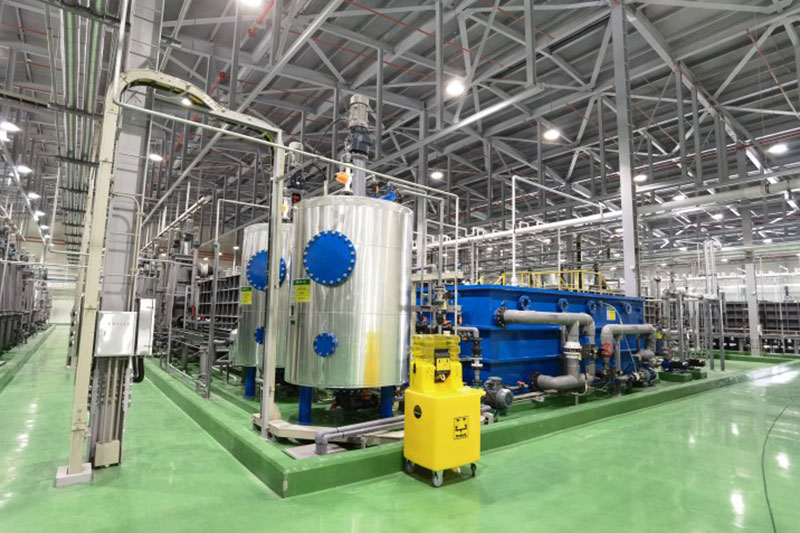
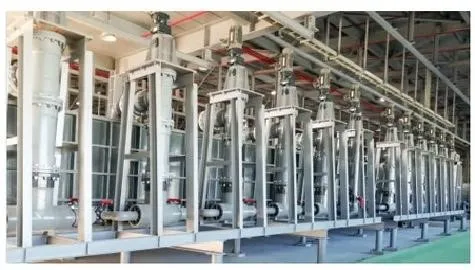
Tailored DLE systems: Through modular designs, TYIC develops Direct Lithium Extraction equipment optimized for specific brine chemistries, maximizing lithium yield and minimising impurity co‑extraction.
-
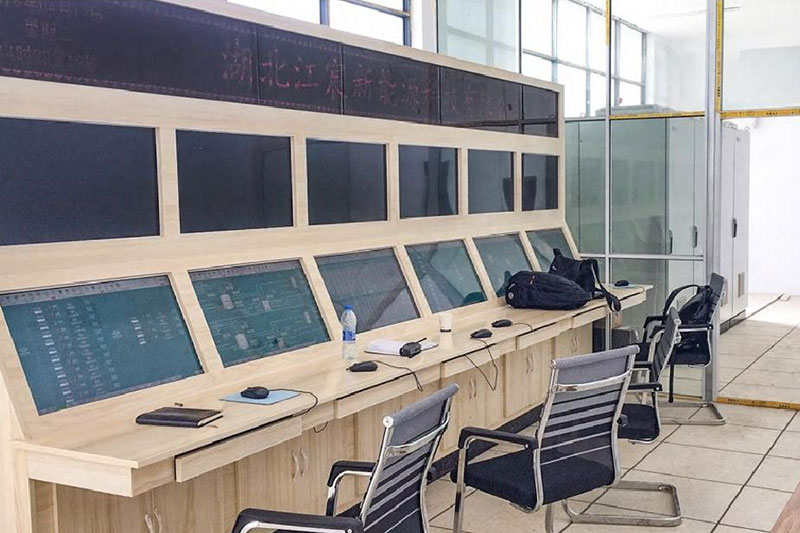
Full-service EPC capability: From process design and materials selection to manufacturing, installation, and commissioning, TYIC handles all phases of industrial and environmental projects.
-
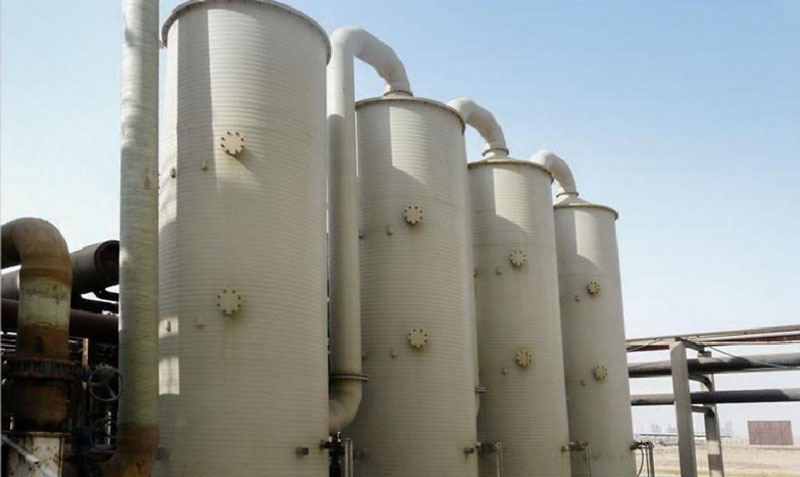
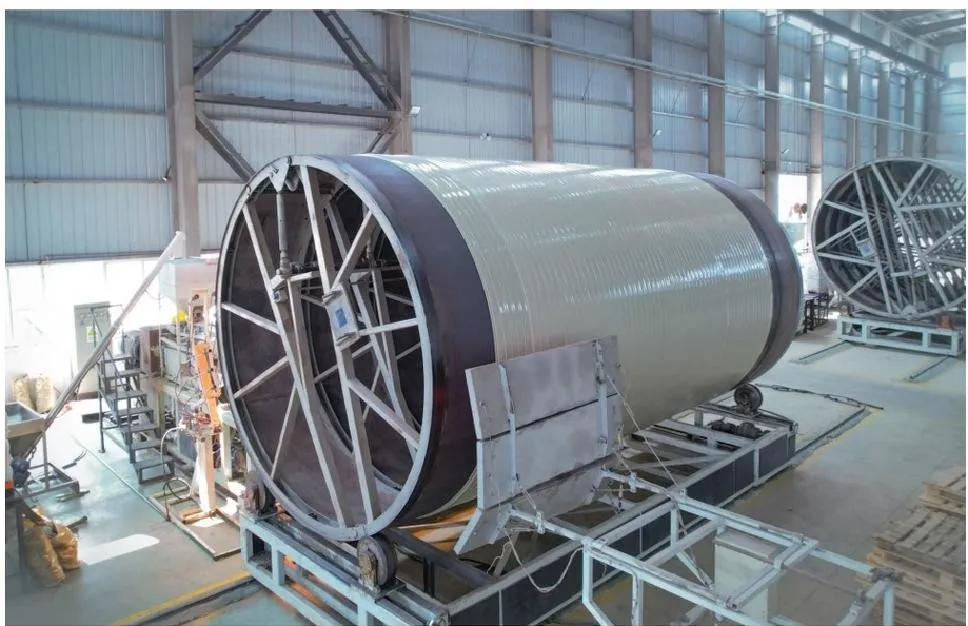
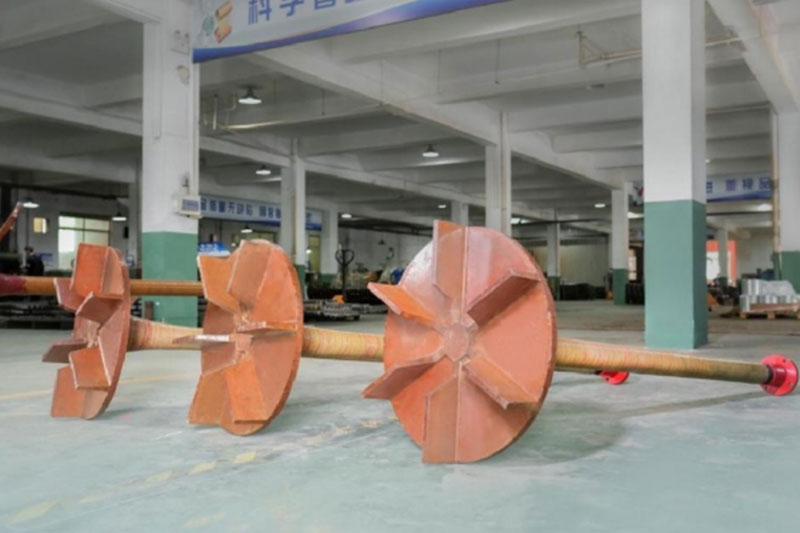
Advanced corrosion-resistant materials: For environments with aggressive chemistries (e.g. high chlorine, acidity), TYIC supplies equipment built with advanced alloys, lined tanks, or composites to ensure longevity and reliability.
-
Solutions for battery recycling: TYIC’s experience in environmental equipment and chemical processing extends to lithium recycling systems, enabling clients to extract lithium from spent batteries safely and profitably.
-
Commitment to sustainability and quality: TYIC adheres to international environmental standards, prioritizes energy efficiency and emission control, and collaborates with clients to optimize water usage and residues management.
-
Proven global track record: With clients across Asia, Europe, and North America in industries such as lithium, chemicals, and environmental protection, TYIC has demonstrated the ability to deliver large-scale, high-performance systems.
By selecting TYIC, a client gains a partner who not only provides robust extraction of lithium systems but also consults on process optimization, environmental compliance, and efficient operation.
Summary
Lithium extraction encompasses methods from brine evaporation and DLE to hard rock mining and battery recycling. Each path has unique technical, economic, and environmental challenges. TYIC distinguishes itself by offering integrated, customized, high‑performance solutions for lithium extraction methods, bridging raw material and end‑product stages.
 English
  Deutsch
  Français
  Português
  Español
  Italiano