
Battery recycling projects often face challenges such as low recovery efficiency, unstable operation, severe corrosion, and high environmental pressure. If equipment selection is not properly matched, plants may experience metal loss, poor separation performance, wastewater treatment difficulties, and increased operating costs. These issues can delay project commissioning and negatively impact overall profitability. TYIC addresses these challenges by integrating lithium battery recycling equipment, extraction technology, corrosion-resistant tanks, and environmental protection systems into a complete solution, helping customers build more efficient, safer, and more compliant recycling lines.
Lithium battery recycling equipment refers to specialized equipment used to process spent lithium-ion batteries and recover valuable metals such as nickel, cobalt, manganese, and lithium. In TYIC’s application, lithium battery recycling equipment is not limited to a single machine but represents a complete system, which may include reaction equipment, extraction equipment, storage tanks, electrical control systems, and waste gas and wastewater treatment units. Its core objective is to improve metal recovery efficiency, ensure process stability, and enhance environmental performance.
➡️ For battery recycling projects, a complete system is more important than a single piece of equipment.
Table of Contents
🔹 What Types of Recycling Equipment Are Included?
TYIC’s lithium battery recycling equipment is best understood as a complete system composed of multiple key equipment categories. Each category corresponds to a different stage of the recycling process, and only through proper integration can a stable and efficient production line be achieved.
① Extraction Equipment
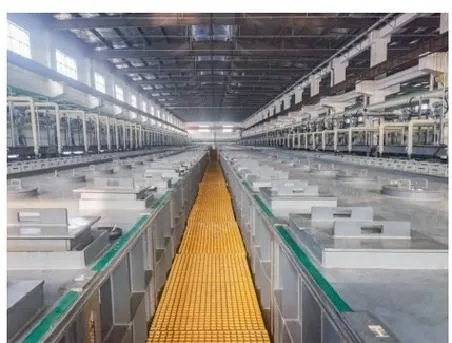
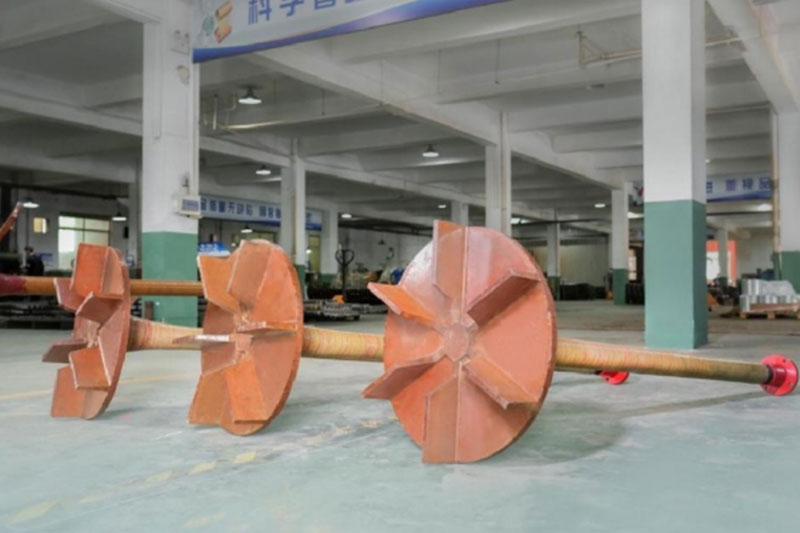
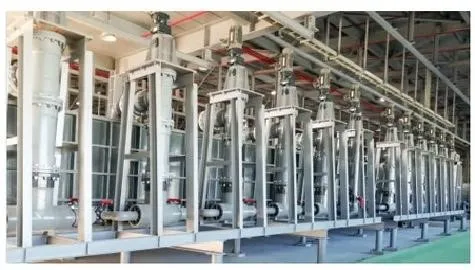
Extraction equipment is one of TYIC’s key strengths. Its products include mix settlers and tubular rapid extractors, which are essential in hydrometallurgical battery recycling processes and are mainly used to separate and purify valuable metals from leach solutions.
For projects aiming to recover nickel, cobalt, manganese, and lithium, extraction efficiency is critical. High-quality extraction equipment improves separation performance, reduces impurity carryover, and helps produce higher-quality outputs. Therefore, extraction equipment is one of the core components of lithium battery recycling equipment.
② Reaction and Leaching Equipment
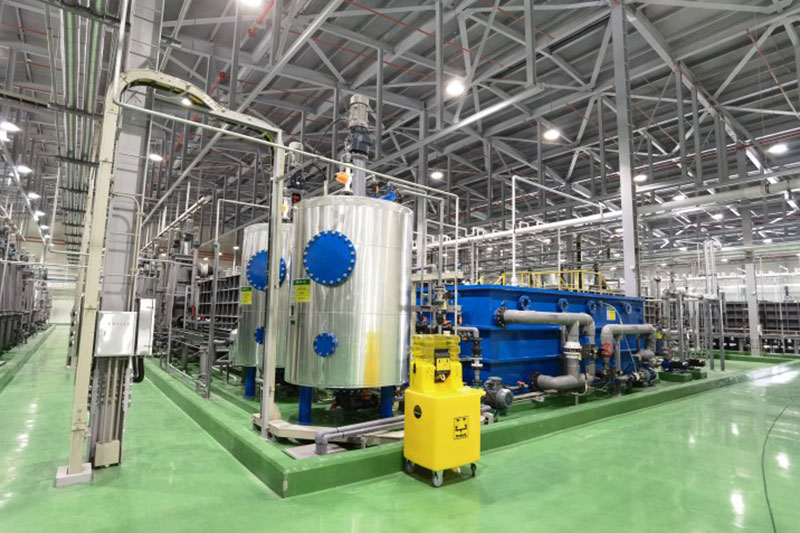
Reliable reaction and leaching equipment is also essential. TYIC provides reaction tanks, mixing tanks, and corrosion-resistant structural equipment suitable for complex chemical environments. In lithium battery recycling, these units are used to handle corrosive liquids and support stable chemical reactions.
Because recycling solutions are often highly corrosive, equipment durability is extremely important. TYIC’s focus on corrosion resistance and customized structural design helps extend equipment lifespan, reduce maintenance frequency, and improve plant safety.
③ Storage Tanks and Supporting Equipment
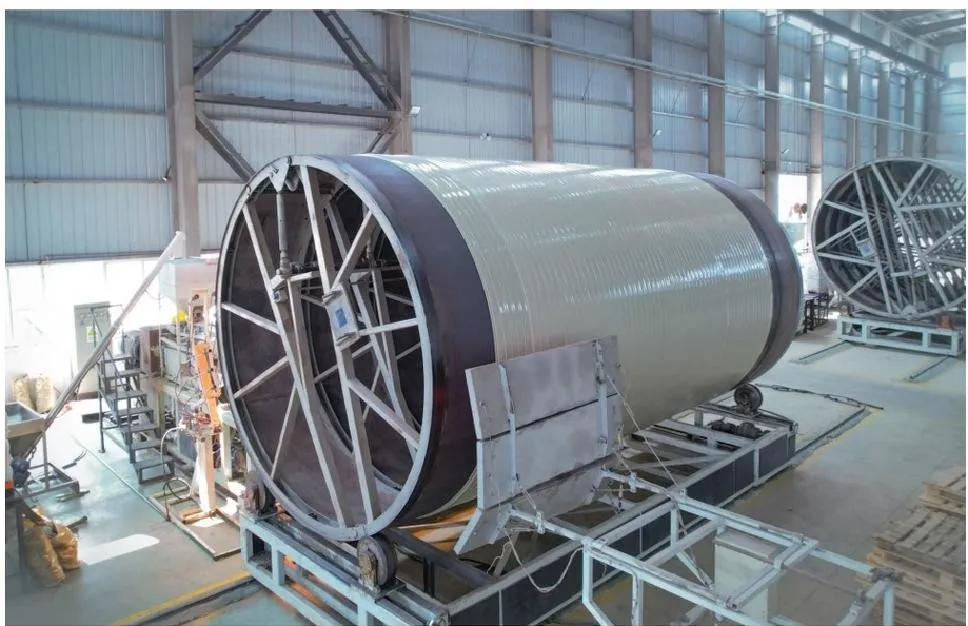
Storage tanks are another indispensable part of lithium battery recycling equipment. TYIC offers both round and square tanks with multiple material options, including steel-lined FRP, steel-lined PPH, steel-lined PVC, and stainless steel.
These tanks are used for storing reagents, intermediate liquids, purified solutions, wastewater, and product liquids. Although often considered auxiliary equipment, they are critical for maintaining continuous and stable plant operation.
④ Environmental Protection Equipment
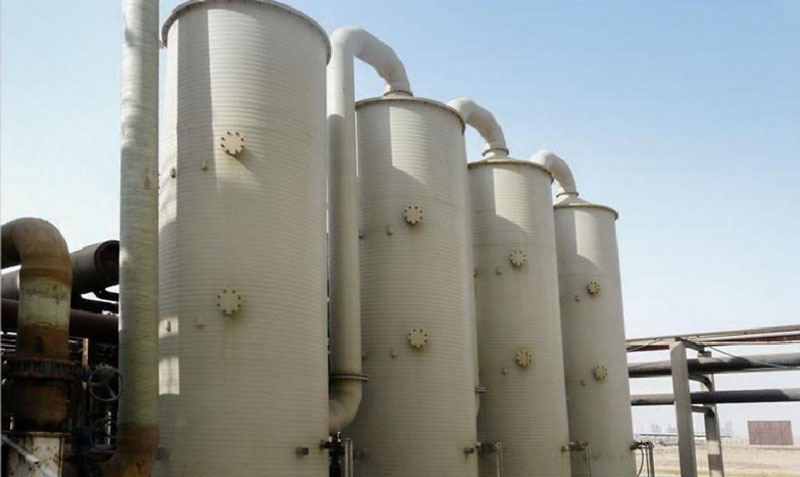
Battery recycling plants must also properly handle waste gas and wastewater. TYIC provides acid mist absorption towers, organic waste gas treatment systems, and related environmental protection equipment, making its solutions more suitable for industrial-scale recycling projects.
In practice, lithium battery recycling equipment must not only recover valuable metals but also help plants meet environmental standards. TYIC’s environmental systems support cleaner and more compliant operations.
⑤ Electrical Control and Automation Systems
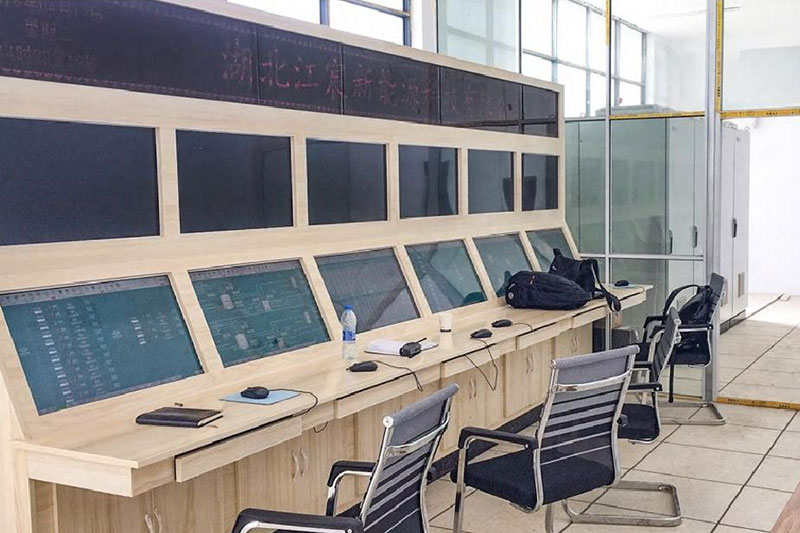
TYIC also offers electrical control systems and automation support. In recycling plants, automation helps control dosing, mixing, material transfer, and operational safety, improving process consistency and reducing human error.
Overall, TYIC’s product portfolio shows that lithium battery recycling equipment should be viewed as an integrated combination of extraction units, reaction systems, storage tanks, environmental systems, and automation support, rather than standalone machines.
🔹 How Is a Lithium-ion Battery Recycling System Structured?
An efficient lithium-ion battery recycling system is best designed as a complete industrial process. The company focuses on recovering valuable metals from spent lithium batteries and converting them into reusable battery-grade materials.
According to company information, TYIC supports the recovery of nickel, cobalt, manganese, and lithium from used power batteries. The main process route for retired ternary batteries includes:
- Disassembly and crushing
- Roasting
- Leaching
- Extraction
- Evaporation and crystallization or electrowinning
- Precipitation
This indicates that TYIC’s strengths lie mainly in the hydrometallurgical section, especially in extraction, reaction, storage, and environmental treatment.
In the leaching stage, TYIC’s reaction tanks and mixing systems handle corrosive conditions effectively. In the extraction stage, mix settlers and tubular rapid extractors enable efficient metal separation. These systems are well aligned with customers who require high-value metal recovery, making them highly practical in lithium battery recycling equipment applications.
TYIC also provides turnkey engineering services, which is a major advantage for project-based customers. These services include:
- Process route design
- Equipment structure design
- Workshop layout design
- Supporting facility selection
- Electrical automation design
- Pipeline and cable tray arrangement
- Commissioning and training support
This means TYIC not only supplies equipment but also helps customers implement a fully operational recycling plant.
Another key part of a lithium-ion battery recycling system is environmental control. TYIC’s waste gas treatment process may include:
- Alkali washing
- Water washing
- Mist removal
- Surface cooling
- Activated carbon adsorption
- Desorption regeneration
This demonstrates that TYIC’s lithium battery recycling equipment is closely integrated with environmental protection systems, which are essential for modern recycling projects.
In addition, TYIC’s project experience enhances its solution value. The company has cooperated with clients such as ECOPRO, Tianneng, Ganfeng, and GEM, reflecting its practical application capability in the industry. For many buyers, proven project experience is as important as technical specifications.
Overall, TYIC’s lithium-ion battery recycling system is a practical integrated solution. It combines extraction equipment, corrosion-resistant tanks, environmental treatment systems, and engineering services to help customers build more efficient, stable, and compliant battery recycling plants.
✦ Conclusion
TYIC’s lithium battery recycling equipment is designed for customers who require complete solutions rather than standalone machines. By integrating extraction technology, reaction systems, storage tanks, and environmental protection equipment, TYIC helps build more efficient, stable, and compliant lithium-ion battery recycling systems.
 English
  Deutsch
  Français
  Português
  Español
  Italiano