
Modern waste gas recycling follows a structured, engineering-driven workflow rather than isolated treatment steps.
Table of Contents
▸ Step 1: Source Collection and Sealing
Efficient recycling starts at the emission source. Enclosed reactors, localized hoods, and corrosion-resistant ducting prevent leakage and secondary pollution. Proper airflow design ensures stable gas capture under fluctuating production conditions.
▸ Step 2: Pre-Treatment and Conditioning
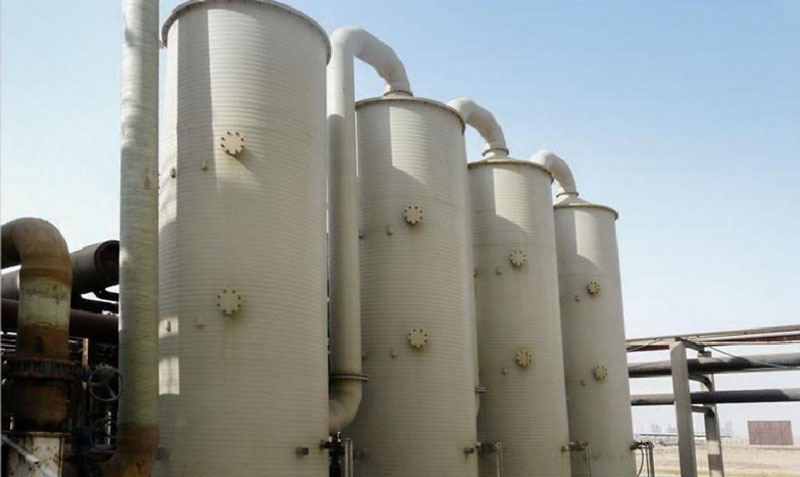
Waste gases frequently contain heat, moisture, and solid particles. Spray towers, demisters, and cooling units stabilize temperature and humidity while removing dust. This step protects downstream equipment and improves treatment efficiency.
▸ Step 3: Separation, Absorption, and Recovery
This stage determines whether waste gas can be recycled rather than simply destroyed:
-
Chemical scrubbing neutralizes acidic or alkaline gases using tailored absorbents
-
Adsorption systems capture VOCs and organic solvents with activated carbon or resins
-
Condensation units recover valuable solvents for reuse in production
Recovered materials reduce raw material consumption and improve overall process economics.
▸ Step 4: Deep Treatment and Emission Control
Residual gases are treated through catalytic oxidation, thermal oxidation, or biological systems. Where applicable, combustible components are reused as supplementary energy, lowering total operating costs. Final emissions comply with international environmental standards.
Core Technologies Applied in TYIC-Style Systems
From an engineering perspective, effective waste gas recycling depends on material selection, system integration, and durability.
-
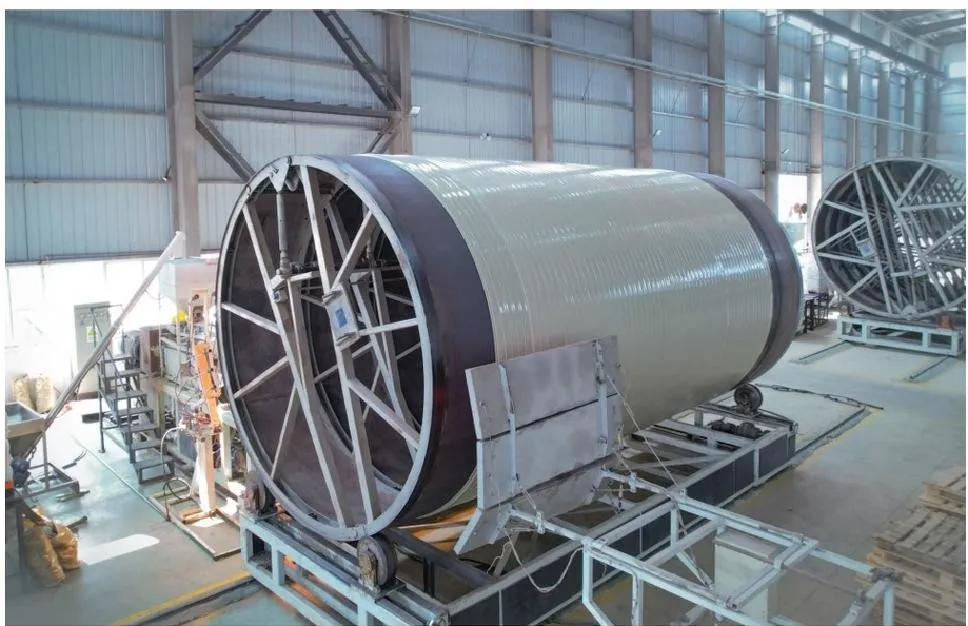
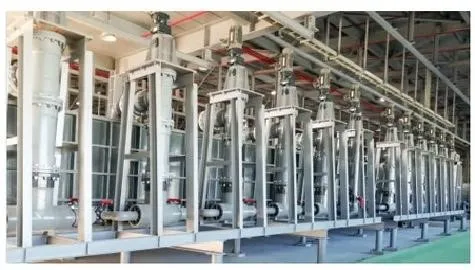
Corrosion-resistant scrubbers manufactured from PPH or HDPE ensure long service life under acidic conditions
-
Modular adsorption units allow easy regeneration and maintenance
-
Integrated oxidation systems balance destruction efficiency with energy consumption
-
Custom EPC layouts minimize pressure loss and optimize plant space
These systems are widely applied in battery materials, metal refining, and environmental protection projects where reliability and compliance are non-negotiable.
Why Waste Gas Recycling Creates Long-Term Value
Beyond environmental compliance, waste gas recycling directly supports operational performance. Stable exhaust control protects core production equipment, reduces unplanned shutdowns, and improves workplace safety. Recovering solvents and heat lowers operating costs and supports circular economy objectives.
For export-oriented manufacturers, advanced waste gas treatment also strengthens supply chain credibility, helping meet the environmental requirements of global clients and regulators.
Industrial waste gas recycling combines engineering, materials, and process design to transform emissions into controlled, reusable, and compliant outputs.
 English
  Deutsch
  Français
  Português
  Español
  Italiano