
Spent lithium-ion batteries create safety hazards, pollution risks, e resource waste; poor recycling increases costs, compliance pressure, e material loss. Structured recycling processes offer a practical solution.
Lithium-ion battery recycling usually includes collection, discharge, dismantling, crushing, pretreatment, leaching, solvent extraction, purification, and final recovery. This process helps recover valuable metals such as nickel, cobalt, manganese, e lithium, while reducing waste, lowering environmental impact, and supporting a more sustainable battery supply chain.
Understanding each step reveals how efficient recycling transforms hazardous battery waste into reusable industrial resources.
Indice dei contenuti
Why Lithium-Ion Battery Recycling Matters
Lithium-ion batteries are widely used in electric vehicles, energy storage systems, e portable electronics. As global battery consumption continues to rise, the number of end-of-life batteries is also increasing. This creates both a disposal challenge and a major resource recovery opportunity. Retired batteries still contain significant amounts of nickel, cobalt, manganese, e lithium, all of which remain highly valuable for battery manufacturing and related industries.
From an industrial perspective, recycling offers several clear benefits:
- Reduces dependence on virgin mining
- Improves raw material supply security
- Supports circular economy goals
- Lowers environmental disposal pressure
- Creates additional value from waste streams
At the same time, the recycling of lithium-ion batteries is not a simple mechanical process. It requires a combination of chemical engineering, safe handling, environmental protection systems, e carefully designed recovery equipment. The overall efficiency of recycling depends on how well each stage is integrated into the full production process.
1. Collection, Sorting, and Safe Discharge
The first stage of lithium-ion battery recycling is collection and classification. Used batteries arrive in different forms, chemistries, sizes, and structural designs. Some may come from electric vehicle packs, while others may originate from industrial storage units or consumer electronics. Proper sorting helps improve downstream efficiency and prevents incompatible materials from entering the same processing line.
Before dismantling begins, batteries must be safely discharged. Residual electricity can cause short circuits, fire, or thermal runaway during handling and crushing. Controlled discharge significantly reduces these risks and helps create safer operating conditions. In industrial recycling plants, this is a crucial first step in protecting both workers and equipment.
2. Dismantling and Crushing
After safe discharge, battery packs move to the dismantling stage. At this point, modules, casings, wiring, and other structural parts are separated from the active battery components. Depending on plant capacity and design, dismantling may be carried out manually, semi-automatically, or through automated systems.
The next step is crushing, which reduces the battery material into smaller particles. This stage improves the separation of:
- Metal foils
- Plastic components
- Current collectors
- Active powder materials
Because damaged batteries may still release gases, heat, or electrolyte residues, crushing systems are typically designed with closed structures, dust control, e exhaust treatment measures. A well-designed crushing process improves both recovery efficiency e operational safety.
3. Pretreatment: Thermal or Mechanical Preparation
Pretreatment prepares the crushed battery material for metal recovery. In many lithium-ion battery recycling processes, this stage includes thermal treatment, mechanical separation, or a combination of both.
Common pretreatment goals include:
- Removing binders and organic substances
- Improving material liberation
- Reducing impurities before leaching
- Enhancing the efficiency of later separation steps
For ternary lithium batteries, roasting or related thermal conditioning may be used to improve the treatment of black mass and facilitate later hydrometallurgical recovery. In other applications, mechanical preparation alone may be sufficient. The selection of the right route depends on battery chemistry, process targets, environmental requirements, e plant design strategy.
4. Leaching: Dissolving Valuable Metals
Leaching is one of the most important stages in the entire recycling flow. During this step, metal-bearing powder or black mass is treated with a chemical solution so that target metals dissolve into the liquid phase. This creates the basis for selective metal recovery in later stages.
A successful leaching process depends on the control of several factors, including:
- Acid concentration
- Temperature
- Reaction time
- Solid-liquid ratio
- Impurity content
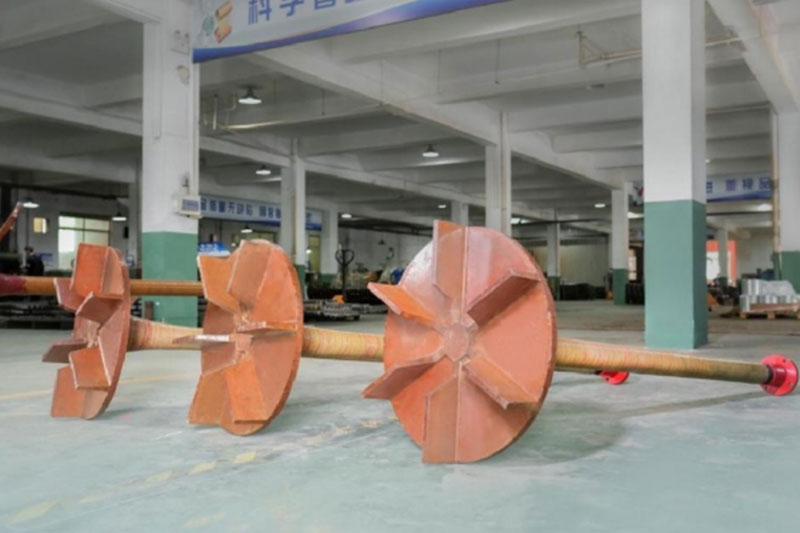
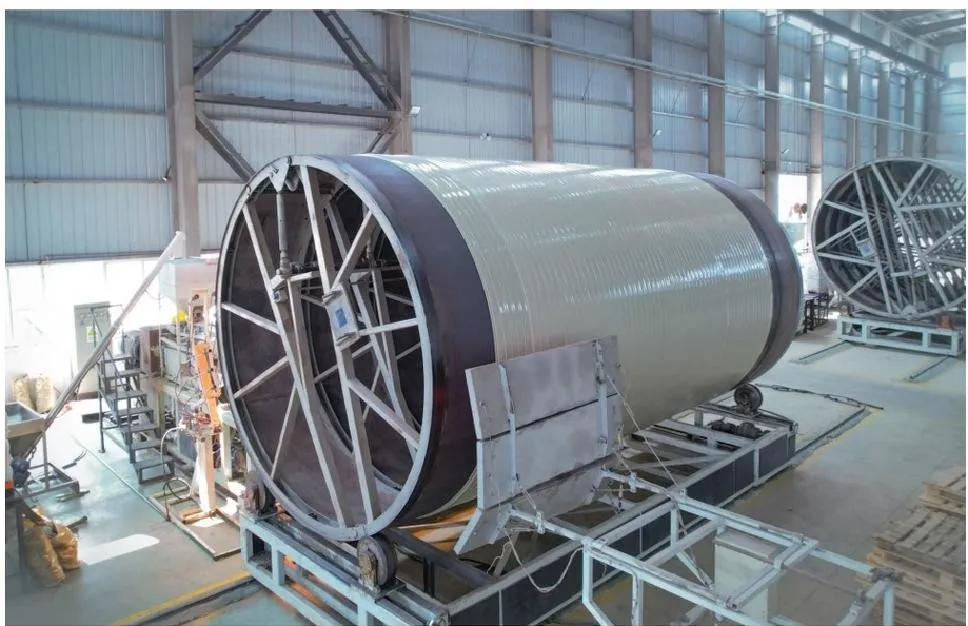
When these conditions are properly managed, leaching can achieve high recovery of nickel, cobalt, manganese, e lithium. In industrial systems, the reliability of the leaching stage also depends on the quality of mixing equipment, materiali resistenti alla corrosione, e reaction tank design.
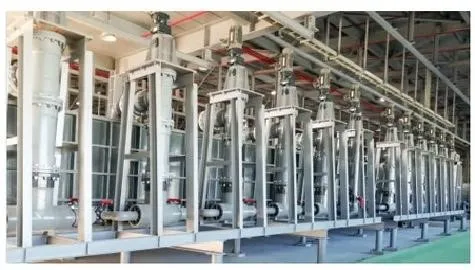
5. Solvent Extraction and Selective Separation
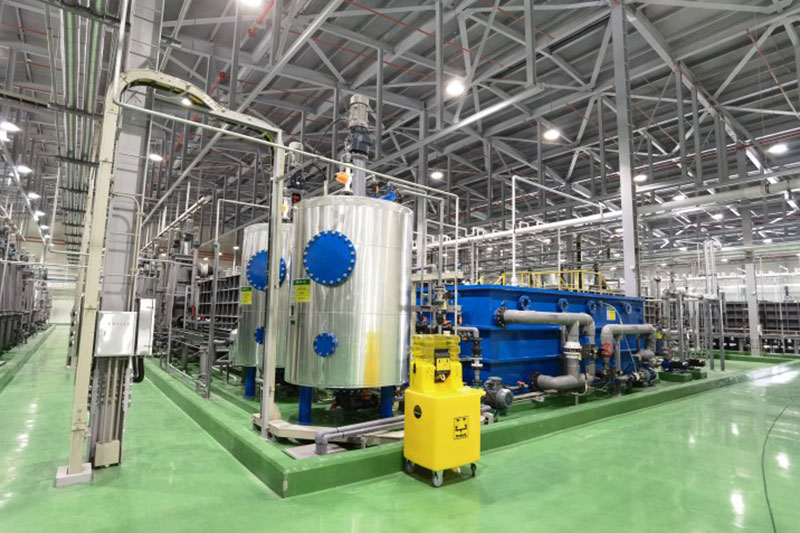
Once metals are dissolved into solution, they must be separated individually. This is where estrazione con solvente becomes essential. It is widely used in lithium-ion battery recycling because it can selectively separate target metals from complex leach solutions with high accuracy.
In a typical process, the metal solution goes through several controlled stages, such as:
- Estrazione
- Spogliazione
- Washing
- Purificazione
These steps make it possible to isolate different metal streams and improve product purity. For battery recycling operations, solvent extraction is particularly important because the recovered metals must often meet high downstream quality requirements. Efficient extraction systems improve metal purity, recovery yield, e process stability, while also helping reduce reagent loss and operational waste.
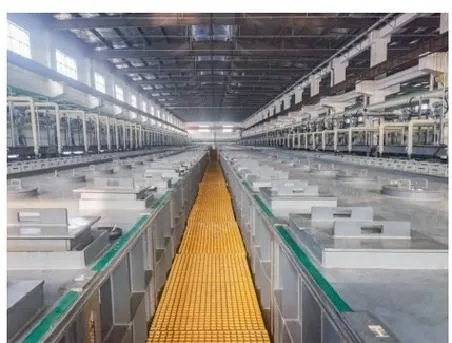
6. Purification and Final Product Recovery
After extraction, each separated metal stream enters a purification and conversion stage. The exact route depends on the desired final product, but it may include:
- Precipitation
- Crystallization
- Evaporation
- Electrowinning
- Further chemical refining
The goal is not only to recover metals, but to recover them in a form that can be reused in industrial production. This is especially important in battery recycling, where high-value metals need to reach suitable quality standards before they can return to the battery materials supply chain.
In practical terms, the commercial value of recycling depends on two things:
- High recovery efficiency
- Stable product purity
Without both, the process may recover material but still fail to generate strong economic value.
7. Waste Gas and Wastewater Treatment
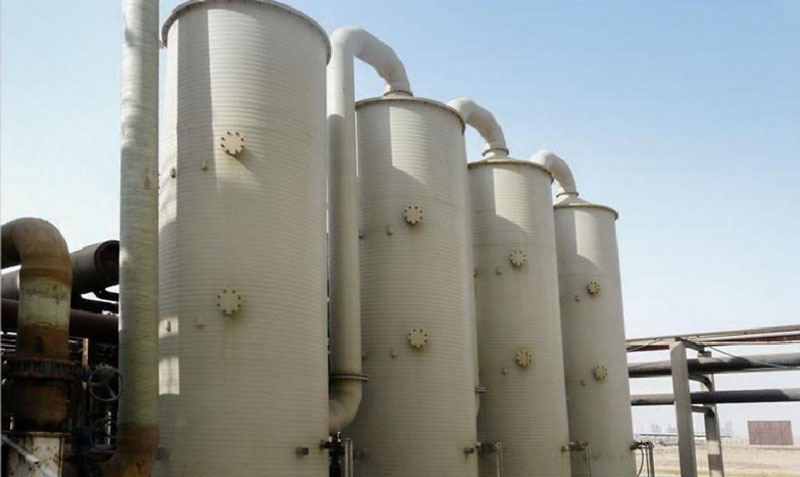
A complete lithium-ion battery recycling process must also include effective environmental protection systems. During crushing, leaching, extraction, and purification, the process may generate waste gas, acid mist, wastewater, e solid residues. These by-products must be properly treated to ensure safe and compliant operation.
Typical environmental control measures may include:
- Alkali washing
- Water washing
- Mist removal
- Activated carbon adsorption
- Wastewater collection and treatment
Environmental treatment should not be viewed as a secondary system. It is a core part of plant design, especially for projects that require long-term compliance, stable operation, and sustainable industrial performance.
8. Process Integration for Industrial Recycling
Lithium-ion battery recycling is not just a sequence of isolated steps. It is a fully integrated industrial system involving:
- Process design
- Equipment selection
- Plant layout planning
- Automation control
- Pipeline design
- Installation and commissioning
- Operational coordination
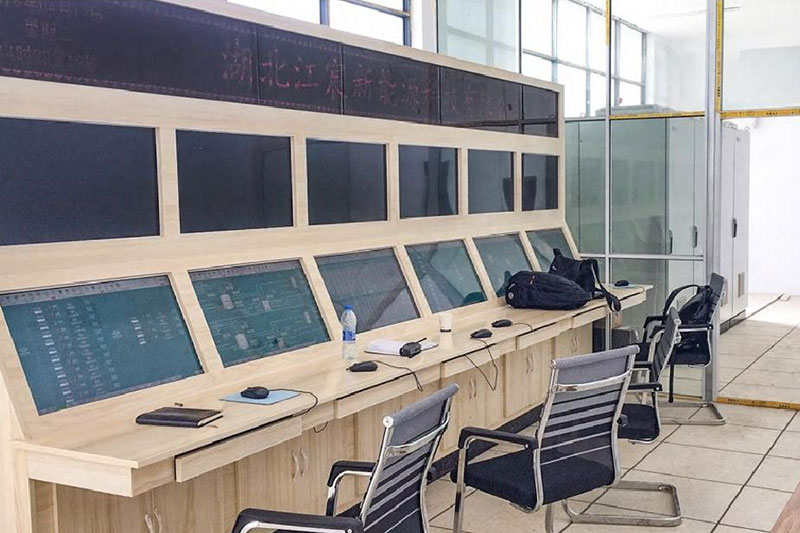
When these elements are properly connected, the recycling line can achieve better throughput, recovery efficiency, safety performance, e environmental reliability. This is why industrial battery recycling projects require more than individual machines—they require a complete and well-engineered process solution.
Conclusione
Efficient lithium-ion battery recycling processes convert hazardous waste into valuable resources through safe handling, precise separation, e environmentally controlled recovery systems.
 Italiano
  English
  Deutsch
  Français
  Português
  Español