
Residual oil in wastewater can corrode equipment, harm the environment, and jeopardize compliance—oil removal equipment offers a clean, reliable solution for industrial treatment systems.
Oil removal equipment separates oil from water using mechanical, physical, or chemical techniques, ensuring cleaner discharge, safer operations, and regulatory compliance in industrial processes.
Discover how this essential system improves water treatment and resource management.
Indice dei contenuti
What Is Oil Removal Equipment
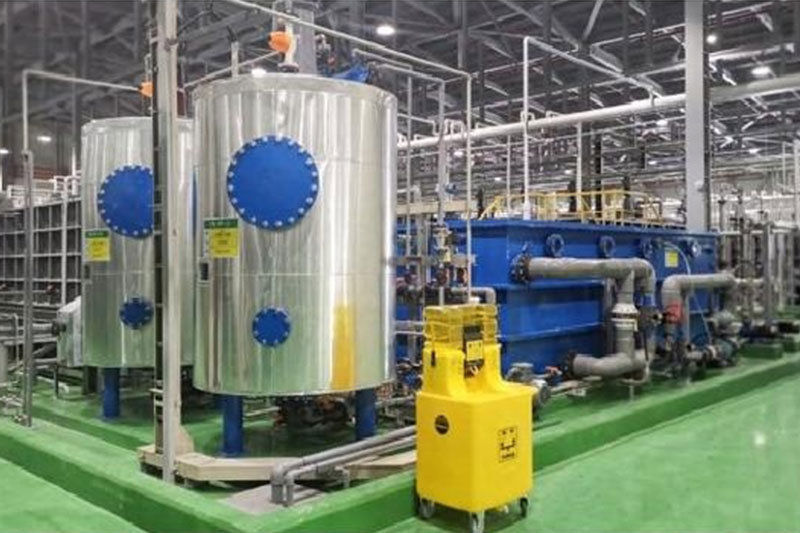
Oil removal equipment refers to specialized machinery designed to separate and extract oil or hydrocarbons from water streams. These systems are crucial across various industries, including petrochemicals, food processing, automotive, metal finishing, and municipal wastewater treatment. The goal is to remove oil efficiently, reduce pollutants, and prepare water for either discharge or reuse.
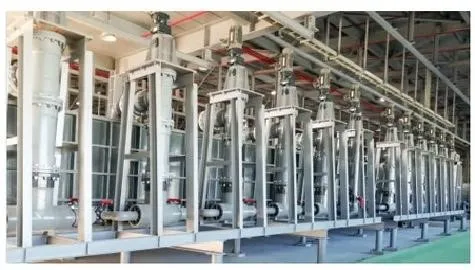
This type of equipment encompasses a wide range of technologies, such as oil skimmers, coalescing plate separators, dissolved air flotation (DAF) systems, and micro-interface extraction systems. Depending on the oil type—free-floating, emulsified, or dissolved—different mechanisms are applied to achieve optimal separation.
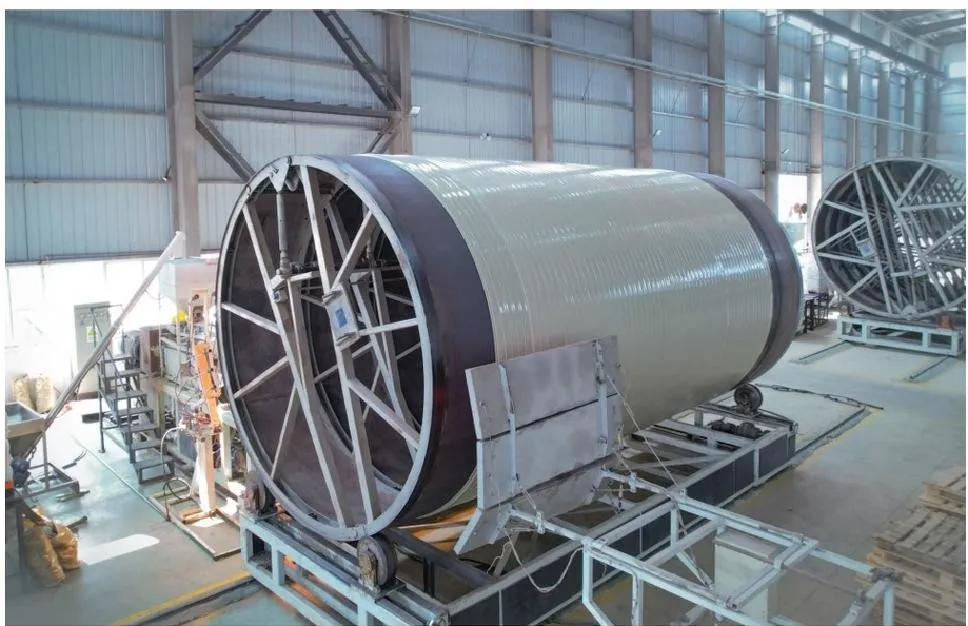
Oil removal equipment plays a central role in environmental protection, cost control, and maintaining system integrity. Companies like TYIC NEW ENERGY have developed advanced oil removal systems that are adaptable to various industrial conditions, helping users meet strict discharge regulations and operational goals efficiently.
How Does Oil Removal Equipment Work?
Oil removal equipment functions based on the principles of separation, buoyancy, and coalescence. Systems are designed to target specific oil forms in wastewater, whether they float freely, are emulsified with surfactants, or dissolved at a molecular level.
Free oil is typically removed through gravity separation, where lighter oil rises to the surface and is skimmed off. Coalescing systems enhance this process by encouraging tiny droplets to combine into larger ones, which separate more readily. Emulsified oils require mechanical agitation, chemical demulsifiers, or membrane technology to break the emulsion and isolate the oil.
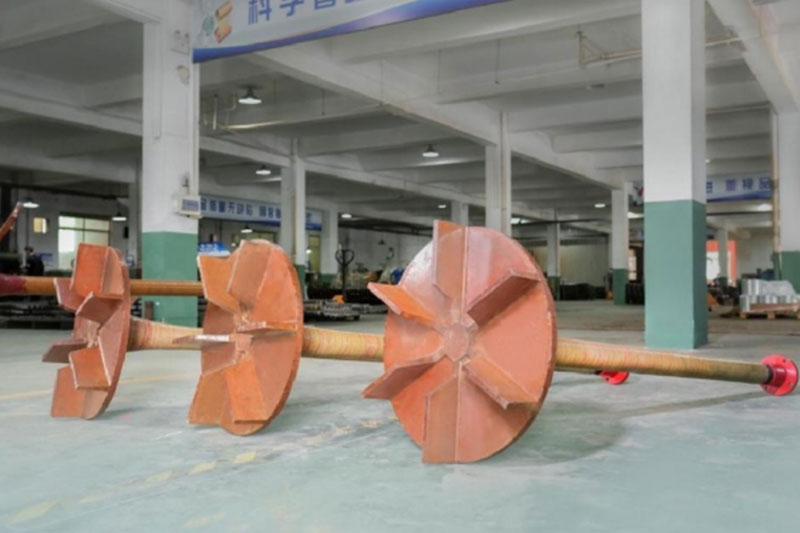
One of TYIC NEW ENERGY’s innovations, the micro-interface oil removal system, leverages surface tension and microbubble dynamics to separate fine oil droplets in a highly efficient, low-energy process. This system reduces the need for chemical additives while maintaining high throughput and precision.
The key to effective oil removal lies in system design, including factors like flow rate, contact time, temperature, and waste composition. Integrating pre-treatment stages and automation can further optimize performance and reduce operator workload.
Advantages Of Oil Removal Equipment
The benefits of using oil removal equipment are both environmental and economic. Chief among them is compliance—modern industries face strict wastewater discharge regulations, and oil removal systems help ensure legal and environmental standards are met.
Operational efficiency is another major advantage. Clean water prevents scaling and corrosion in downstream equipment, reducing maintenance needs and extending the life of pumps, filters, and pipelines. Moreover, some systems allow for oil recovery and reuse, adding a financial benefit by turning waste into a resource.
From a sustainability perspective, oil removal equipment demonstrates corporate responsibility, aligning with ESG (Environmental, Social, and Governance) principles. TYIC NEW ENERGY’s solutions are tailored for energy savings, minimal chemical usage, and low maintenance, supporting greener operations.
Furthermore, many systems are compact and modular, allowing seamless integration into existing plants. Automation features reduce human error and labor costs, while advanced materials provide long service life in harsh conditions.
Application Of Oil Removal Equipment
Oil removal equipment is applied in multiple sectors:
Petrochemical and Refining: Managing wastewater from oil separation, cleaning, and refining processes.
Food and Beverage: Extracting oils and greases from washdown and process water in meat, dairy, and snack industries.
Manufacturing and Metalworking: Treating emulsified lubricants and cutting fluids in CNC machining and metal forming.
Automotive Maintenance: Handling runoff from garages, service stations, and transportation hubs.
Environmental Protection: De-oiling stormwater runoff and soil remediation in contaminated areas.
TYIC NEW ENERGY’s systems are widely used in lithium battery recycling, non-ferrous metal processing, and new energy facilities. Their equipment is engineered for reliability, chemical resistance, and precise control—making them ideal for mission-critical water treatment scenarios.
Sintesi
Oil removal equipment safeguards water systems, reduces costs, and supports clean, efficient industrial practices across diverse applications.
 Italiano
  English
  Deutsch
  Français
  Português
  Español