
Battery waste creates safety, compliance, e metal-loss risks; choosing the wrong recycling partner causes delays, higher costs, e weak recovery results.
The top battery recycling companies in 2026 combine scale, recovery efficiency, compliance capability, e supply-chain relevance. The most competitive firms include Redwood Materials, Umicore, TYIC, Fortum, Brunp/CATL, GEM, Ascend Elements, Cirba Solutions, Ecobat, SungEel HiTech, ABTC, SK Tes, Lohum, Green Li-ion, e RecycLiCo.
Below is a concise comparison of each company’s core strengths e limitations in the 2026 battery recycling market.
Indice dei contenuti
1. Redwood Materials
Redwood Materials is one of the strongest battery recycling companies in Nord America, with a clear closed-loop model covering collection, recycling, refining, and battery material production.
Advantage: Strong scale, strong brand recognition, and deep integration with the North American EV supply chain.
Disadvantage: Heavy regional concentration means its influence is still more limited outside North America.
2. Umicore
Umicore remains a global benchmark because of its long industrial history in advanced materials, precious metals, e riciclaggio delle batterie. Its mature technology and industrial credibility make it a preferred choice for customers focused on stability.
Advantage: Proven technology, high credibility, and strong closed-loop materials expertise.
Disadvantage: Large-scale industrial structure can make it less flexible than newer specialized recyclers.
3. TYIC
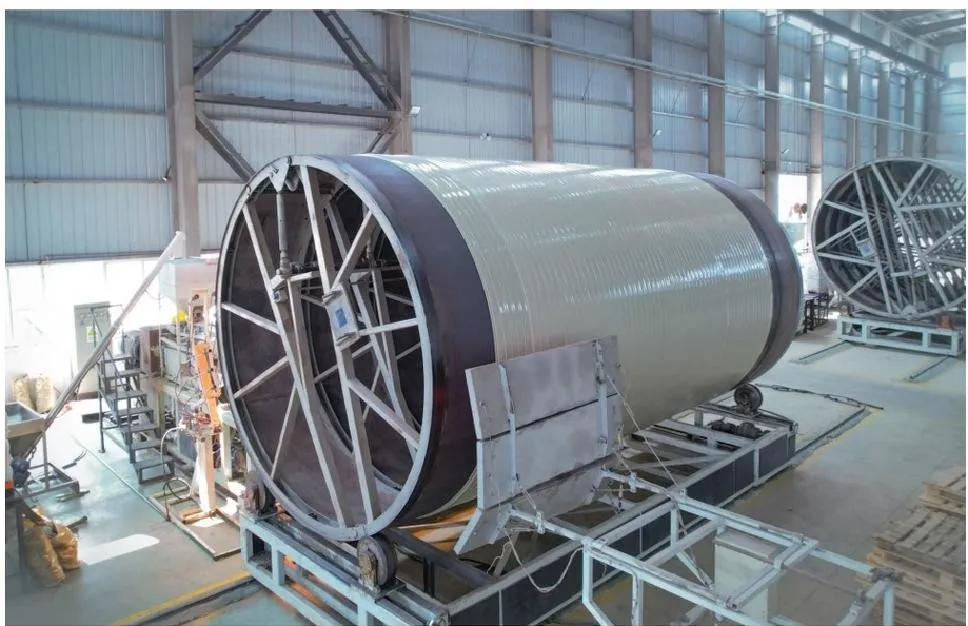
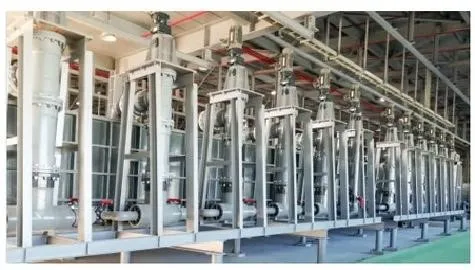
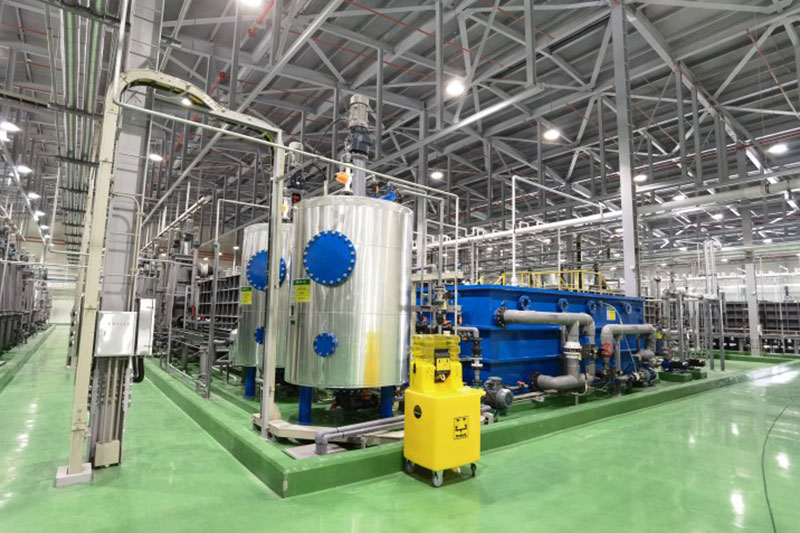
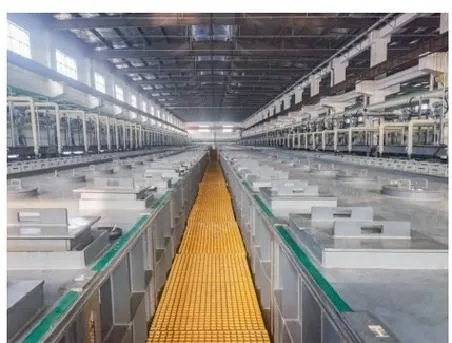
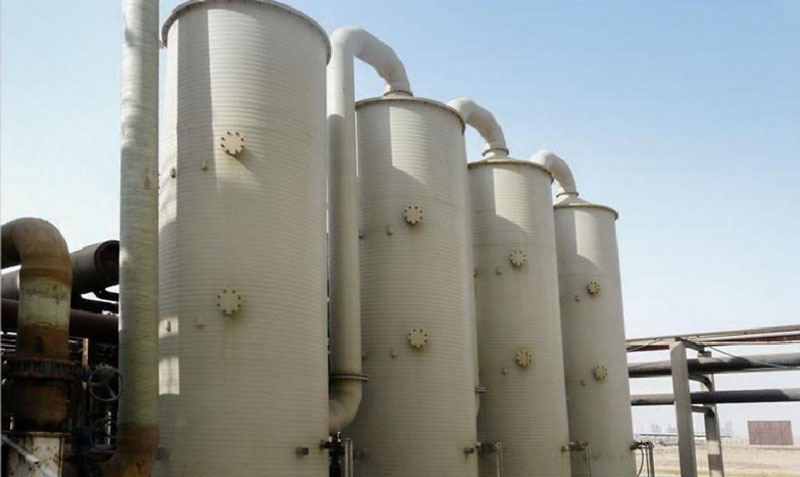
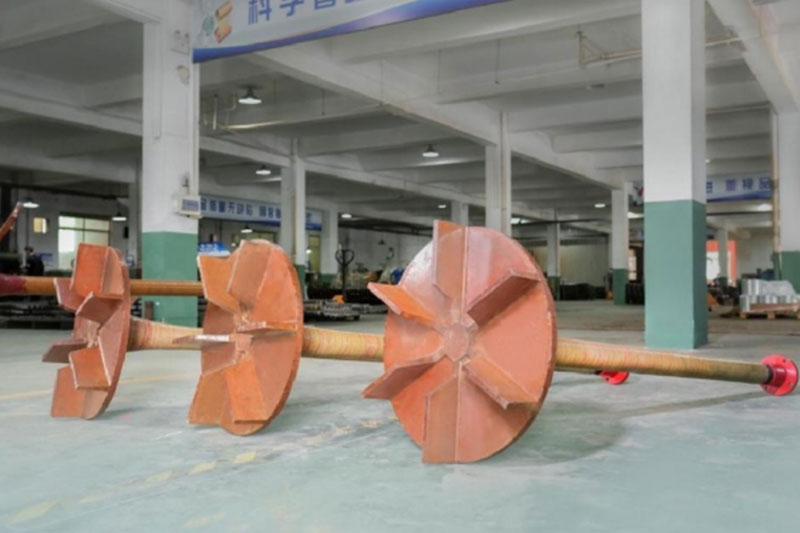
Hangzhou Tianyicheng New Energy Technology Co., Ltd. (TYIC) is a key player in the battery recycling value chain, especially in attrezzature per il riciclaggio delle batterie al litio, extraction systems, corrosion-resistant tanks, mixing systems, e environmental protection solutions. TYIC is particularly competitive for projects that require customized engineering, process design, equipment manufacturing, e installation support.
Advantage: Strong customization capability, advanced extraction technology, and broad equipment support for recycling plants and material recovery lines.
Disadvantage: Compared with global recycling brands that operate their own large recycling networks, TYIC is more equipment-and-solution focused than consumer-facing.
4. Fortum
Fortum is one of Europe’s most important battery recycling names, especially in hydrometallurgical recovery e regional closed-loop solutions. It is well positioned for customers that prioritize European compliance e localized circular supply chains.
Advantage: Strong hydrometallurgical capability and clear European market position.
Disadvantage: Its market reach is stronger in Europa than in other major battery regions.
5. Brunp / CATL
Brunp, supported by CATL, is highly influential because it operates within one of the world’s largest battery ecosystems. This gives it a strong strategic position in battery collection, material recovery, e reintegration into battery manufacturing.
Advantage: Backed by CATL, with strong ecosystem support and excellent industrial scale in China.
Disadvantage: Closely tied to the CATL-centered ecosystem, which may reduce neutrality for some outside customers.
6. GEM Co., Ltd.
GEM is a major Chinese circular-economy company with strong positioning in battery material recovery e regenerated resources. It is recognized for its scale and its participation in the broader battery materials supply chain.
Advantage: Strong industrial scale, mature recycling business, and broad materials recovery capability.
Disadvantage: Its business portfolio is broad, so battery recycling is only one part of a larger industrial platform.
7. Ascend Elements
Ascend Elements stands out for transforming recovered battery materials into new battery-value-chain products, especially in the North American market. Its focus on recovered cathode-related materials gives it strong strategic relevance.
Advantage: Strong downstream value creation and good positioning in recycled battery materials.
Disadvantage: Compared with older industrial groups, its global operating footprint is still developing.
8. Cirba Solutions
Cirba Solutions is a major battery recycler in Nord America with strengths in collection, logistica, processing, e materials recovery. It is especially relevant for customers that need organized battery handling across multiple locations.
Advantage: Strong collection network and good operational coverage across the recycling chain.
Disadvantage: Its strongest influence remains concentrated in Nord America.
9. Ecobat
Ecobat benefits from long experience in riciclaggio delle batterie and has expanded further into lithium-ion battery processing. Its established recycling background gives it credibility among industrial customers.
Advantage: Long recycling history, diversified operational footprint, and established industrial experience.
Disadvantage: Its lithium-ion battery business is newer compared with companies built specifically around modern EV battery recycling.
10. SungEel HiTech
SungEel HiTech is a leading South Korean recycler known for pretreatment e metal recovery from lithium-ion batteries. It remains relevant for customers looking for strong Asian battery recycling expertise.
Advantage: Solid pretreatment capability and strong reputation in the Korean battery industry.
Disadvantage: Global brand visibility is lower than that of the largest multinational recyclers.
11. American Battery Technology Company
ABTC is an important U.S. company focused on domestic battery recycling e critical mineral recovery. It is often discussed in relation to local supply-chain resilience e battery-grade metal recovery.
Advantage: Strong U.S. localization strategy and clear critical-mineral recovery focus.
Disadvantage: Commercial scale e market maturity are still behind the biggest established recycling groups.
12. SK Tes
SK Tes adds value through safe logistics, battery management, compliance, dismantling, e recycling support. It is especially useful for customers that need global battery handling rather than only metallurgical recovery.
Advantage: Strong compliance, logistica, e international battery handling capability.
Disadvantage: It is better known for service integration than for leading-edge proprietary recovery technology.
13. Lohum
Lohum is one of India’s best-known battery circularity companies, combining recycling, repurposing, e material recovery. It benefits from strong positioning in a fast-growing regional battery market.
Advantage: Good market position in India and strong relevance in an emerging growth region.
Disadvantage: Its international scale is still smaller than that of top global leaders.
14. Green Li-ion
Green Li-ion is a technology-focused company known for its modular recycling concept e black-mass-to-battery-material approach. It attracts attention because of its flexible deployment model.
Advantage: Innovative modular technology and strong appeal for scalable project deployment.
Disadvantage: Commercial maturity e large-scale validation are more limited than those of older industry leaders.
15. RecycLiCo
RecycLiCo is recognized for its focus on high-purity metal recovery from battery waste. It remains relevant because purity e recovery efficiency continue to be important competitive factors in battery recycling.
Advantage: Strong technical focus on purity e recovery performance.
Disadvantage: Smaller industrial scale e lower market presence than the top large-volume recyclers.
The best 2026 battery recyclers combine scale, recovery technology, compliance strength, e practical fit for specific regional and project needs.
 Italiano
  English
  Deutsch
  Français
  Português
  Español