
The lithium battery recycling process
Lithium battery recycling processes involve safely collecting, disassembling, and chemically or physically treating lithium-ion batteries to recover valuable metals like lithium, nickel, and cobalt, thereby reducing waste, conserving resources, and supporting the circular economy. Common methods include shredding for large‐scale recycling, high‐temperature pyrometallurgy, and lower‐temperature hydrometallurgy to extract metals.
Are you ready to dive deeper into how lithium battery recycling works and why it matters for your business?
Indice dei contenuti
Why Recycle Lithium Batteries?
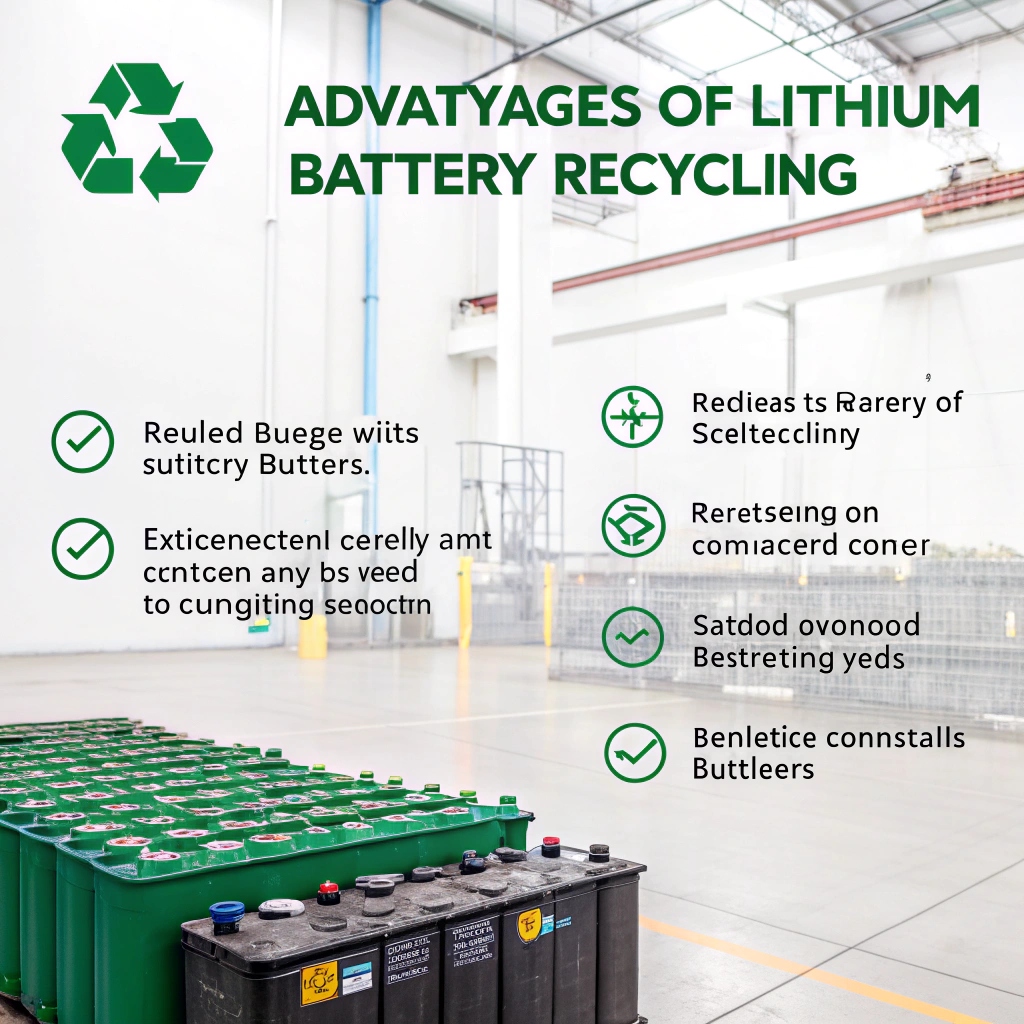
Lithium battery recycling is essential for several interlinked reasons. First, environmental protection: discarded lithium batteries pose serious risks, such as soil contamination, groundwater pollution, and even fire hazards if improperly disposed of. Second, resource conservation: metals like lithium, cobalt, and nickel are finite, and mining them is energy‐intensive and ecologically disruptive. Recycling recovers these valuable materials, reducing the need for raw mining, lowering carbon footprint, and conserving natural resources. Third, economic benefit: recovered metals can re‐enter supply chains, reducing costs for battery manufacturers and downstream industries. Moreover, regulatory pressure is increasing globally: many jurisdictions now mandate producer responsibility or impose restrictions on battery disposal, making recycling not just a sustainability goal but a legal necessity. Finally, recycling supports the circular economy by turning waste into inputs, thus fostering innovation, reducing dependence on imports, and enhancing supply chain resilience.
How the Recycling Process Works
The lithium battery recycling process is a multi‐stage procedure involving collection, processing, recovery, and disposal of residual materials. It typically starts with collection and transportation: spent or damaged lithium-ion batteries are gathered from consumers, industrial clients, or battery manufacturers, then safely transported to specialized facilities under strict safety and environmental regulations to avoid leakage or fire risks.
Next is disassembly and sorting: batteries are manually or mechanically disassembled to separate components — casings, electrodes, separators, electrolyte. Batteries are sorted by chemistry (e.g., NMC, LFP, LCO) because recovery methods differ depending on material composition.
Then comes mechanical processing: shredding, crushing, and grinding break down battery packs into smaller fragments. This helps liberate metals and materials for further stages. Safety is critical here to avoid short circuits and thermal runaway; inert atmospheres or water cooling may be used.
After mechanical processing, there are pyrometallurgical methods: high‐temperature smelting or roasting to recover metals like cobalt, nickel, and copper. Lithium may remain in slags which require further treatment. These processes are robust but energy‐intensive and generate emissions.
Alternatively (or complementarily), hydrometallurgical methods use aqueous chemistry: acids or other reagents dissolve target metals, then precipitation, solvent extraction or ion exchange isolate lithium, cobalt, nickel, etc. These lower‐temperature methods can be more selective, less energy‐consuming, and more environmentally friendly, though managing effluents is a challenge.
Final steps include purification and refining of recovered metals to reach battery‐grade quality, safe disposal or treatment of hazardous by‐products, e reuse or reintroduction of recovered materials into new battery manufacturing or other industries.
How to Recycle Your Lithium Batteries
If you or your company generate lithium batteries — either from product returns, manufacturing scrap, or end‐of‐life devices — there are practical steps to follow to recycle them properly:
-
Identify the battery type and chemistry. Different lithium battery chemistries (e.g. Lithium Iron Phosphate—LFP, Lithium Nickel Manganese Cobalt—NMC) require different recycling paths. Proper labeling or documentation helps recyclers process them efficiently.
-
Safe storage & handling. Batteries should be stored in a dry, cool place, ideally in non‐conductive containers, with protection against puncture, leakage, and extreme temperature. Damaged batteries need special treatment.
-
Find a certified recycler. Use facilities with environmental permits, safety certifications, and experience in both hydrometallurgy and pyrometallurgy as appropriate. Make sure the recycler has capability to handle the specific chemistry.
-
Prepare for transport. Follow local and international regulations for hazardous materials. Batteries often need to be partially discharged, packaged in approved containers, and shipped by approved carriers.
-
Documentation and traceability. Maintain records of where batteries came from, their chemistry, volumes, and destination for recycling. Helps with regulatory compliance and supply chain auditing.
-
Engage stakeholders. If you manufacture devices with lithium batteries, build take‐back programs. Educate users/end customers about proper disposal. This reduces safety risks and increases collection rates.
-
Monitor environmental impact. After recycling, ensure that emissions, water effluent, and residual waste are handled responsibly. Require that recyclers comply with environmental standards and can prove minimal environmental harm.
Sintesi
Lithium battery recycling offers environmental, economic, and regulatory benefits. Recovered lithium, nickel, cobalt support sustainability and resource efficiency, while compliant recycling mitigates risks and costs.
Our Advantages & Services
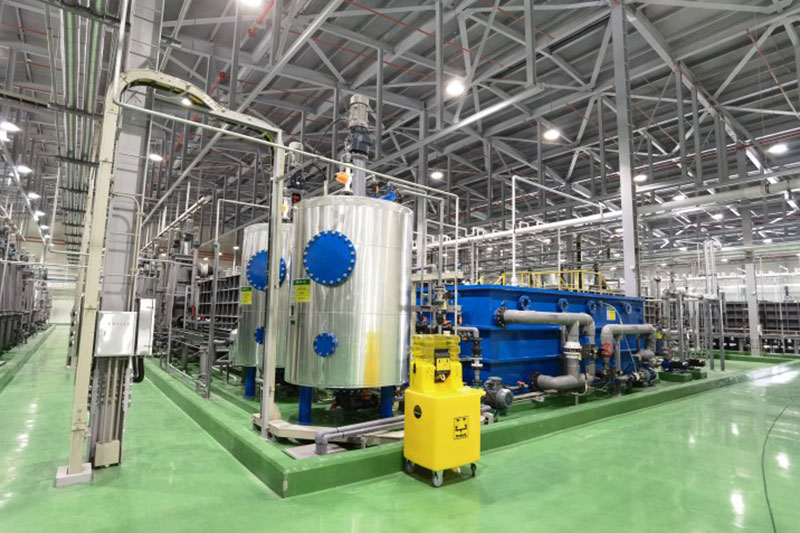
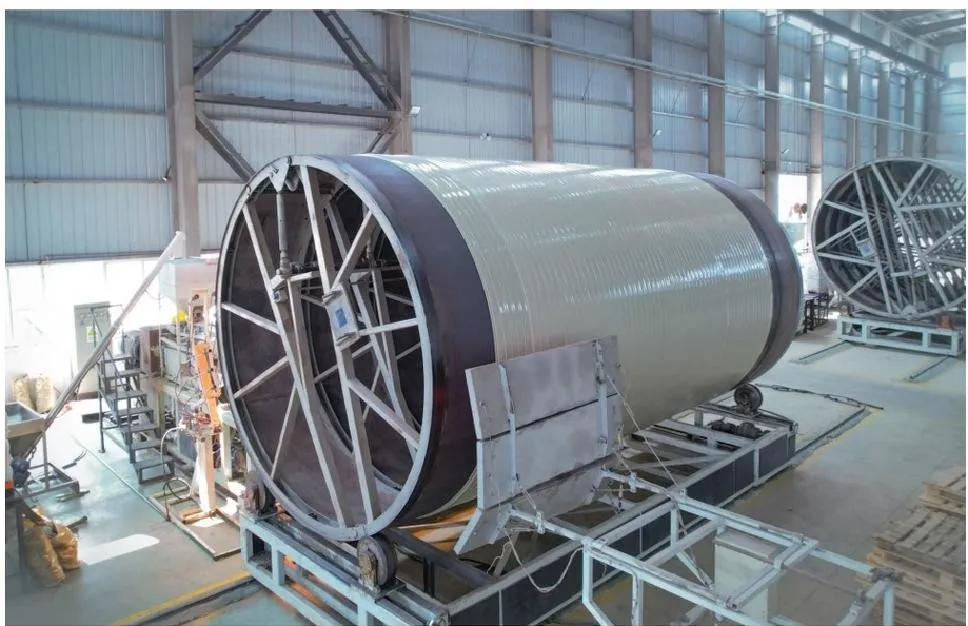
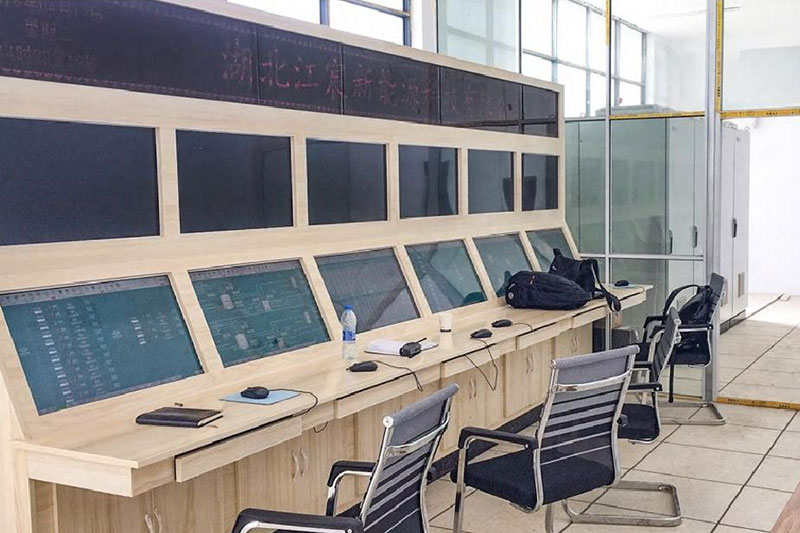
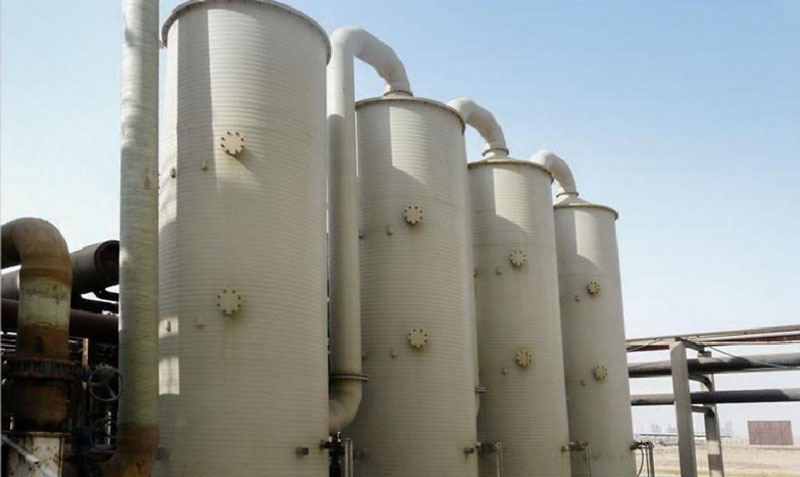
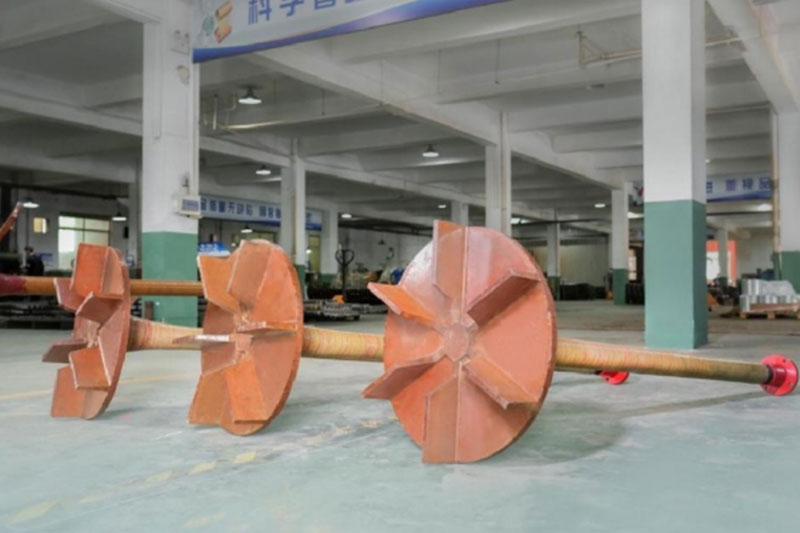
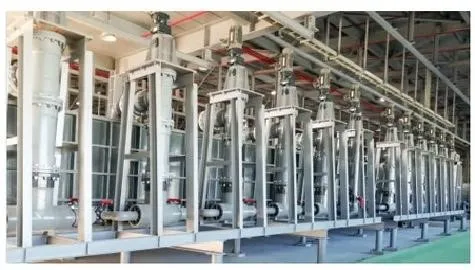
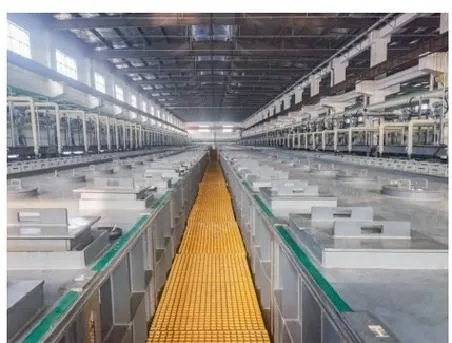
Hangzhou Tianyicheng New Energy Technology Co., Ltd. (TYIC) leverages advanced extraction and environmental protection technologies to deliver efficient, customized lithium battery recycling solutions. With expertise in designing and manufacturing industrial extraction equipment, oil removal systems, corrosion‐resistant and storage tanks, and providing full EPC services, TYIC ensures compliance with international standards, high recovery rates, and tailored systems that meet clients’ specific chemistry, capacity, and operational needs.
 Italiano
  English
  Deutsch
  Français
  Português
  Español