
When your process relies on liquid precision, the last thing you want is inconsistency. Poor tank design can lead to wasted resources, unstable output, and costly shutdowns. That’s where TYIC NEW ENERGY’s expertly crafted liquid mixing and storage tanks come in—engineered to keep your operations flowing flawlessly.
Liquid mixing and storage tanks are purpose-built vessels used to blend and store liquids, ensuring uniformity, temperature control, and safe containment—vital in chemical, energy, and environmental industries.
Discover how the right mixing tank can elevate your efficiency and reliability.
Table of Contents
What Are Liquid Mixing and Storage Tanks?
Liquid mixing and storage tanks are the silent workhorses behind countless industrial processes. They do more than just hold fluids—they keep ingredients moving, temperatures stable, and chemical compositions intact.
- Dual functionality: They blend and store in a single vessel, streamlining operations.
- Mixing technology: Built-in agitators, stirrers, or recirculating flows prevent settling and maintain consistency.
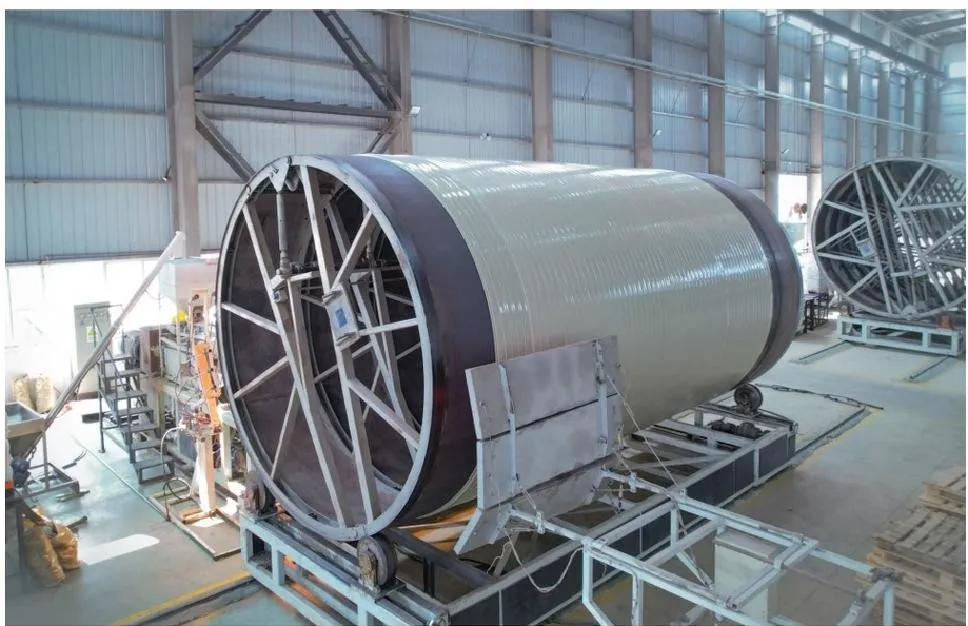
- Durable materials: TYIC NEW ENERGY uses corrosion-resistant PPH and HDPE for long-lasting performance.
- Versatile use: Commonly found in lithium battery recycling, wastewater treatment, and chemical production.
- Engineered precision: Every tank is calibrated for consistency, control, and operational safety.
TYIC NEW ENERGY’s tanks aren’t just containers—they’re a cornerstone of clean, efficient, and scalable production.
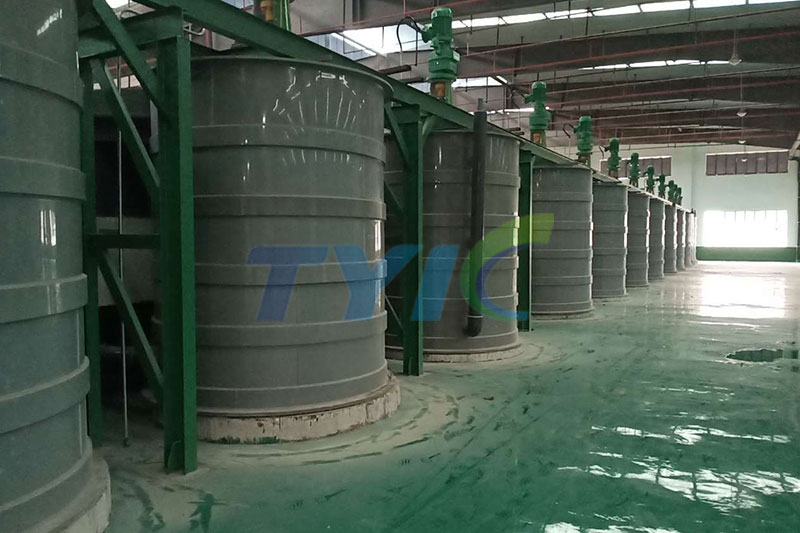
Types of Mixing Tanks
There’s no one-size-fits-all when it comes to mixing tanks. Different processes require different tools—and TYIC NEW ENERGY builds them all.
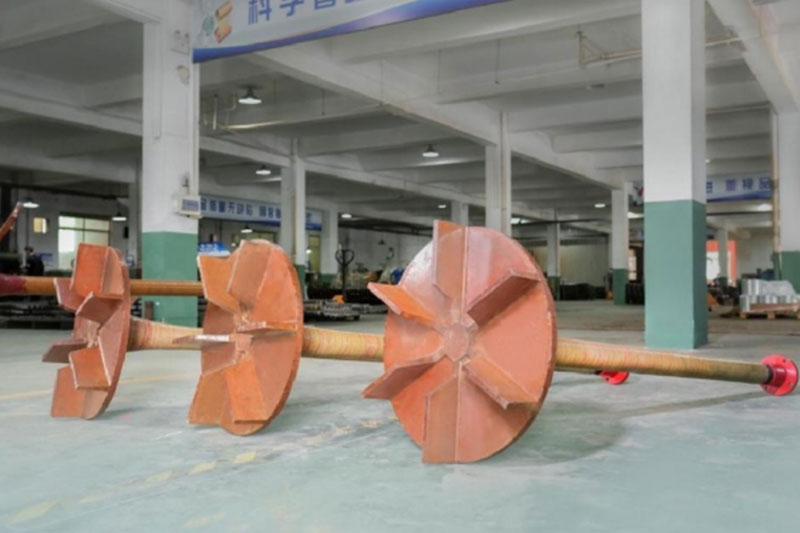
- Agitated tanks: Fitted with high-shear, turbine, or anchor impellers to rapidly homogenize solutions in applications like coatings or chemicals.
- Static mixing tanks: Use internal structures to mix fluids passively with minimal energy—ideal for continuous, low-turbulence operations.
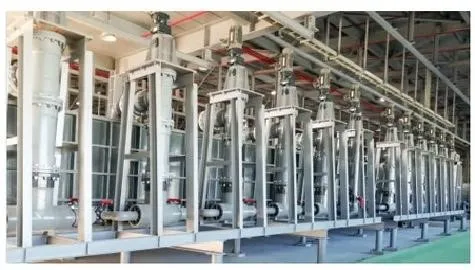
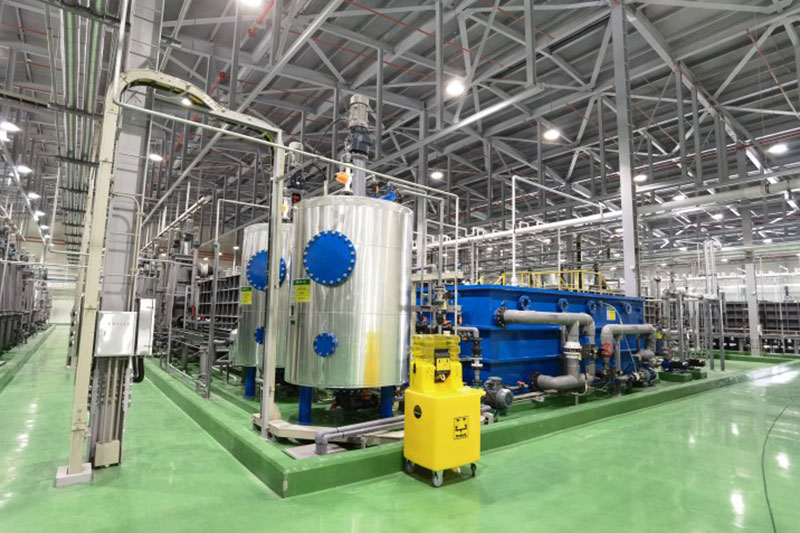
- Tubular mixing extractors: A TYIC NEW ENERGY innovation, these combine extraction, separation, and mixing in one streamlined system—perfect for battery recycling.
- Micro-interface oil removal systems: Specialized tanks that remove oil from water through bubble flotation—crucial in environmental applications.
- Integrated mixing-storage tanks: Maintain blend uniformity over time—ideal for polymers and slurry-based processes.
Every tank design is guided by the properties of your materials and the needs of your workflow.
Mixing Tank Applications
From energy storage to clean water, TYIC NEW ENERGY’s mixing tanks are woven into the fabric of modern industry:
- Chemical processing: Enables precise reactions and product consistency.
- Lithium battery recycling: Enhances metal recovery through optimized mixing of complex leachates.
- Non-ferrous metal refining: Keeps particles suspended for even, efficient extraction.
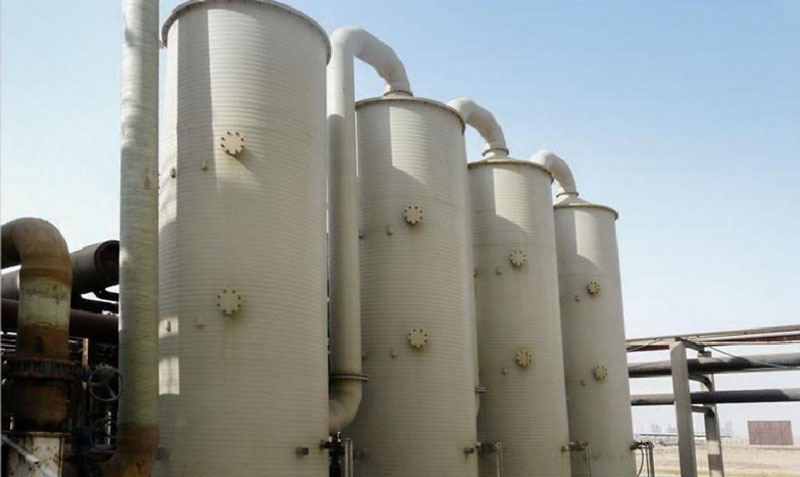
- Environmental systems: Used in treating emissions, neutralizing pollutants, and preparing wastewater for safe discharge.
- Food and pharma: Hygienic tanks for sensitive blending of consumables or active ingredients.
These applications are more than use cases—they’re proof of TYIC NEW ENERGY’s role in a cleaner, smarter industrial future.
Parameters of Mixing Tanks
Every great tank starts with great design—and that means knowing the numbers that matter:
- Capacity: Sizes range from compact to colossal, matching production scales of all kinds.
- Agitation power: Customized impellers deliver the right torque and speed for any viscosity.
- Turnover rate: Ensures complete blending by cycling full volumes at optimal intervals.
- Material choice: HDPE, PPH, or specialty alloys resist even the harshest chemicals.
- Thermal control: Optional heating/cooling jackets or coils maintain stable processing temperatures.
- Instrumentation: Smart sensors and PLC integration enable automated, real-time monitoring.
When parameters are precisely defined, performance becomes predictable—and TYIC NEW ENERGY delivers on both.
What is the Ratio of Mixing Tanks?
Design ratios shape how effectively a tank mixes—and TYIC NEW ENERGY fine-tunes every ratio to perfection:
- Height-to-diameter (H/D): Commonly 1:1 to 2:1 for better vertical mixing and space for coils.
- Impeller-to-tank width: A 0.3–0.5 ratio creates balanced flow and appropriate shear.
- Power density: From ~1,000 W/m³ in low-viscosity processes to ~10,000 W/m³ for heavy-duty slurries.
- Turnover rate: Typically 2–4 complete volumes per minute for full circulation.
- Jacket area-to-volume: Around 0.1–0.2 m²/L to support effective temperature regulation.
These ratios aren’t guesses—they’re carefully calculated to match the chemistry of your process.
Summary
TYIC NEW ENERGY’s mixing tanks bring together reliability, performance, and precision—built to power the industries shaping our future.
 English
  Deutsch
  Français
  Português
  Español
  Italiano