
Lithium battery waste is surging worldwide; unmanaged disposal risks resource depletion and pollution. Efficient recycling enables sustainable circular growth.
Lithium batteries power electric vehicles, energy storage systems, and portable electronics, yet their rapid expansion generates significant waste and resource pressure. Battery recycling is essential to the circular economy because it recovers valuable metals such as lithium, nickel, and cobalt, reduces dependence on virgin mining, lowers carbon emissions, and strengthens long-term supply chain sustainability.
Exploring how recycling drives circularity highlights the importance of advanced extraction and environmental protection systems.
Table of Contents
⚠️ The Growing Challenge of Lithium Battery Waste
The global transition toward electrification has sharply increased demand for lithium-ion batteries. Electric vehicles (EVs), renewable energy storage systems, and high-performance electronics depend on reliable battery technologies. However, as production volumes rise, end-of-life batteries accumulate rapidly, creating complex disposal challenges.
Improper handling of spent batteries can result in hazardous electrolyte leakage, heavy metal contamination, and long-term environmental damage. At the same time, discarding batteries without material recovery leads to the permanent loss of lithium, cobalt, nickel, and manganese—critical resources that require energy-intensive mining and complex international logistics.
The traditional linear model of “take–make–dispose” is no longer viable. A circular economy framework, focused on resource efficiency, reuse, and regeneration, is essential for sustainable industrial development.
🔄 The Circular Economy: Closing the Loop
The circular economy promotes minimizing waste while maximizing material value throughout a product’s lifecycle. In lithium battery systems, this requires designing processes that enable efficient material recovery and reintegration into new battery production.
Battery recycling effectively closes the loop by extracting high-value metals from spent batteries and returning them to the manufacturing chain. This approach significantly reduces reliance on virgin mining, lowers greenhouse gas emissions, and enhances raw material supply stability.
For industries engaged in lithium battery recycling and non-ferrous metal processing, achieving circularity depends on high-performance separation and purification technologies that ensure maximum recovery with minimal environmental impact.
⚙️ Advanced Extraction Technologies as a Core Driver
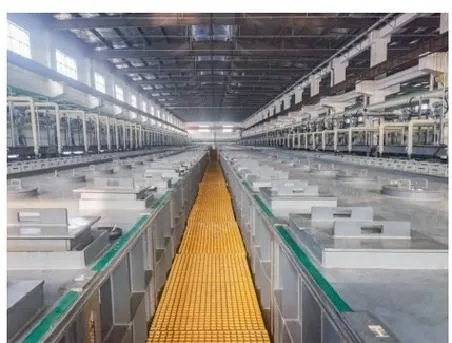
Efficient extraction systems are central to successful battery recycling operations. After mechanical pretreatment and hydrometallurgical leaching, dissolved metals must be selectively separated and purified with precision.
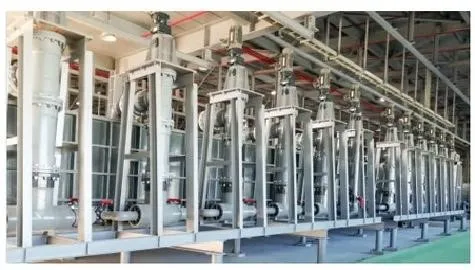
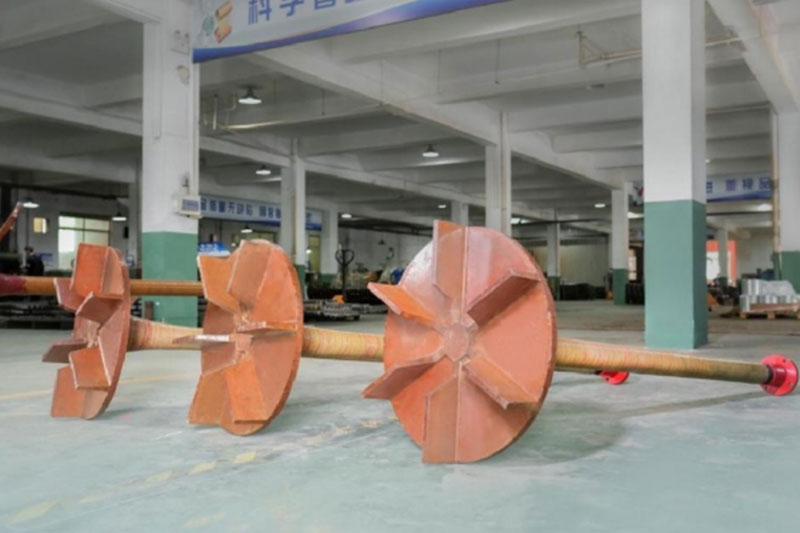
Tubular mixing extractors improve mass transfer efficiency and maintain stable phase separation, leading to higher metal recovery rates and consistent product quality. Optimized flow dynamics reduce reagent consumption while increasing operational stability.
In addition, micro-interface oil removal systems enhance wastewater treatment performance by efficiently separating residual oils and suspended impurities. This supports downstream purification processes and ensures compliance with strict discharge standards.
By combining advanced equipment design with refined process engineering, recycling facilities can achieve higher efficiency, lower energy consumption, and reduced environmental footprint—key pillars of the circular economy.
🌱 Environmental Protection Systems in Battery Recycling
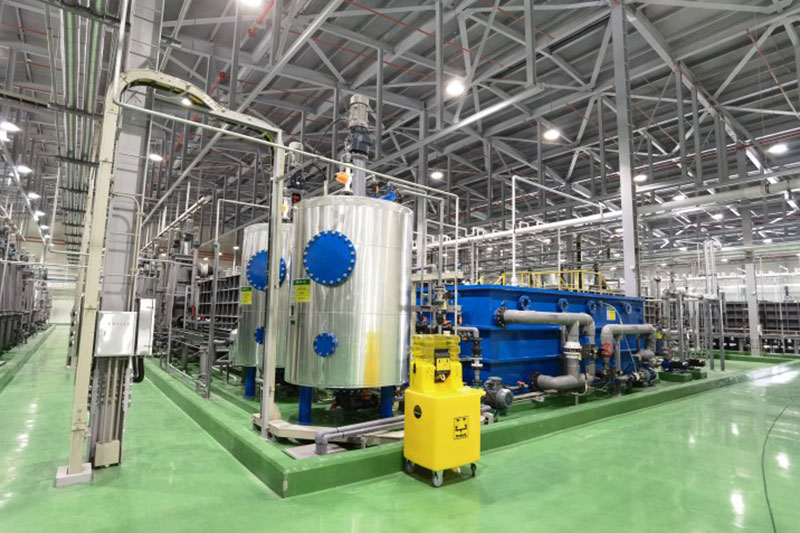
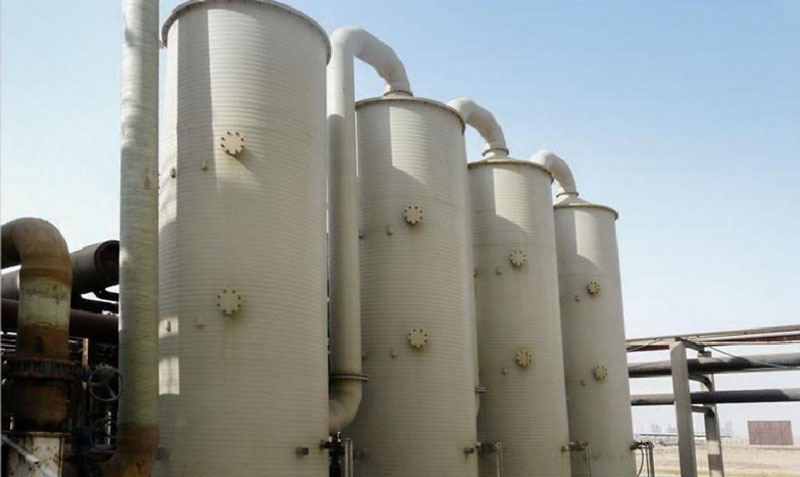
Sustainable recycling operations must integrate comprehensive environmental protection measures. Waste gas treatment, wastewater management, and corrosion-resistant storage systems are critical components of compliant facilities.
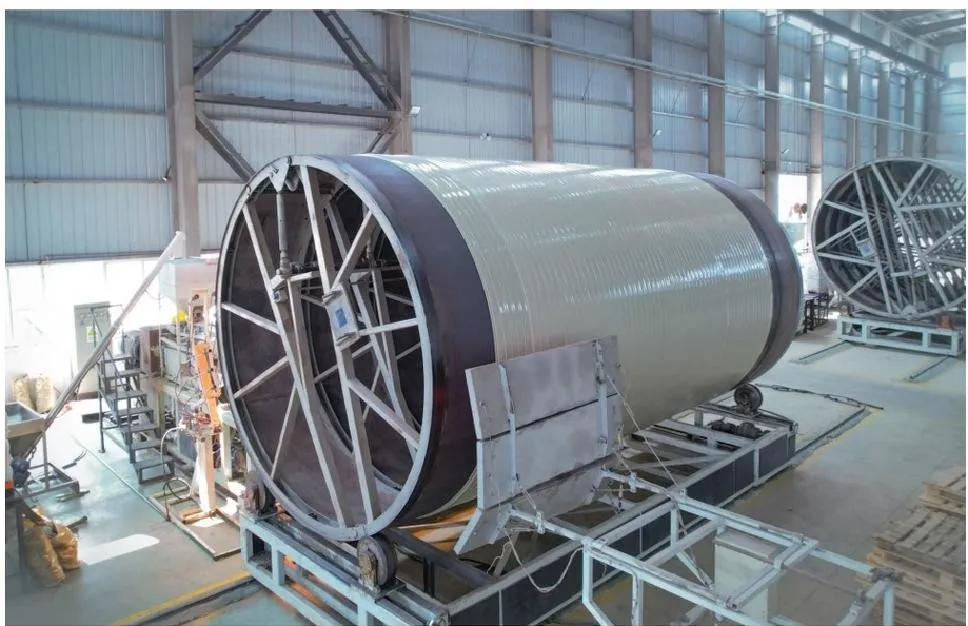
PPH and HDPE corrosion-resistant storage tanks provide reliable containment for acidic and alkaline solutions used in hydrometallurgical processes. Their superior chemical resistance extends service life and reduces maintenance risks.
Waste gas treatment systems capture volatile compounds and acidic fumes, preventing atmospheric emissions. Meanwhile, advanced wastewater treatment technologies remove heavy metals and residual contaminants before safe discharge or reuse.
Together, these systems ensure that battery recycling not only recovers materials but also operates in accordance with international environmental and safety standards.
🔗 Strengthening the Circular Supply Chain
The circular economy relies on strong partnerships and technological innovation. Enterprises involved in lithium battery recycling and environmental protection require suppliers capable of delivering customized engineering solutions tailored to specific process requirements.
Integrated services—including process design, equipment layout optimization, material selection, and EPC implementation—help reduce project complexity and improve operational efficiency. Reliable logistics and strict quality control further support long-term cooperation in global supply chains.
For companies prioritizing ESG principles and sustainable innovation, advanced manufacturing capabilities and continuous technological improvement are decisive competitive advantages.
🚀 Driving Sustainable Industrial Transformation
As global carbon reduction policies become more stringent, battery recycling will play an increasingly strategic role. Recovering valuable metals significantly reduces the carbon footprint associated with primary mining and raw material refining.
Recycled materials, when processed using advanced purification systems, can achieve performance standards comparable to virgin resources. This enables the production of high-performance cathode materials and precursors essential for EVs and energy storage applications.
By integrating high-efficiency extraction equipment, corrosion-resistant systems, and environmental protection technologies, industrial solution providers actively support the development of a resilient circular battery ecosystem.
✅ Conclusion
Battery recycling transforms waste into valuable resources, enabling sustainable lithium battery development and advancing the global circular economy.
 English
  Deutsch
  Français
  Português
  Español
  Italiano