
Rapid EV growth in Southeast Asia is creating battery waste challenges; mishandling leads to pollution and resource loss, while advanced recycling provides a compliant, profitable solution.
Lithium-ion battery recycling recovers valuable metals like lithium, nickel, and cobalt while preventing environmental damage. It involves collection, safe dismantling, physical separation, and hydrometallurgical or pyrometallurgical processing. For Southeast Asia, compliant recycling supports ESG goals, reduces import dependence on raw materials, and aligns with tightening environmental regulations across emerging battery hubs.
This guide answers the most common questions decision-makers ask when planning reliable, compliant battery recycling operations in Southeast Asia.
Table of Contents
What is lithium-ion battery recycling?
Lithium-ion battery recycling is an industrial process that safely treats spent batteries from electric vehicles (EVs), energy storage systems (ESS), and consumer electronics to recover valuable metals and materials. In Southeast Asia, recycling is becoming essential as EV adoption accelerates and governments introduce stricter waste and environmental regulations. Recycling typically includes battery discharging, dismantling, crushing, separation, and chemical extraction to produce reusable metal salts or intermediates.
Why is lithium-ion battery recycling important in Southeast Asia?
Southeast Asia faces rising battery waste volumes but limited natural resources of lithium and cobalt. Recycling helps reduce reliance on imported raw materials, lowers carbon footprints, and mitigates risks of soil and water contamination. Countries such as Indonesia, Thailand, and Vietnam are also positioning themselves as regional EV and battery manufacturing hubs, making localized recycling infrastructure strategically important.
What types of batteries can be recycled?
Most lithium-ion batteries can be recycled, including:
-
EV battery packs and modules
-
ESS batteries
-
Portable electronics batteries
Different chemistries—such as NMC, NCA, LFP, and LCO—require tailored recycling processes. Professional facilities design flexible systems to handle mixed battery streams commonly found in Southeast Asian markets.
How does the lithium-ion battery recycling process work?
The recycling process generally involves four stages. First is safe collection and discharge to eliminate fire risks. Second is dismantling and mechanical treatment, where batteries are shredded and separated into metals, plastics, and active materials. Third is chemical extraction, often using hydrometallurgical methods to recover lithium, nickel, cobalt, and manganese. Finally, purified products are refined into battery-grade materials suitable for reuse in new batteries.
What technologies are commonly used?
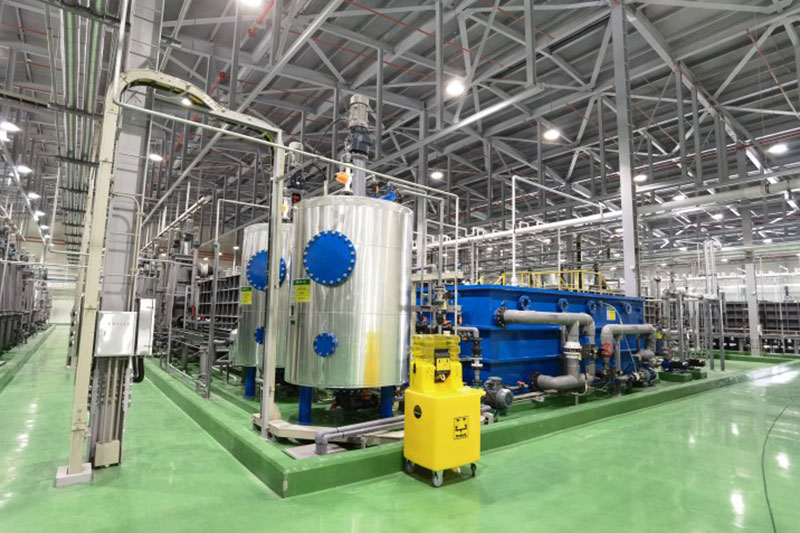
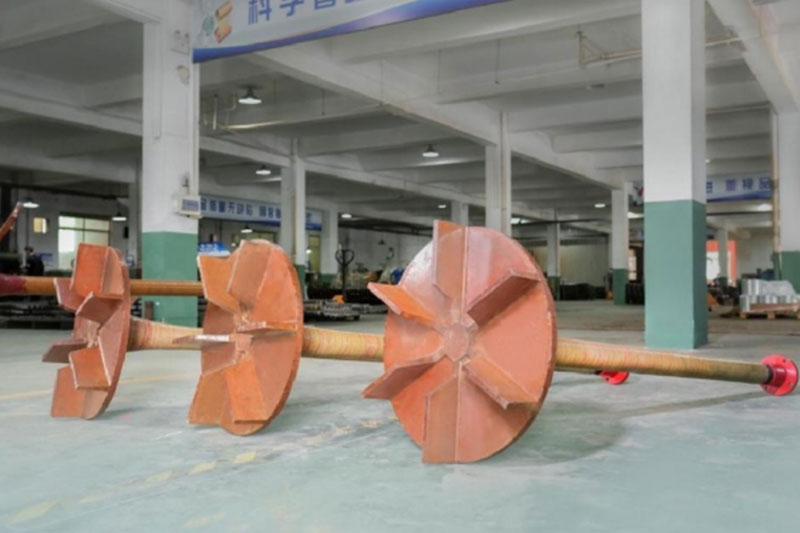
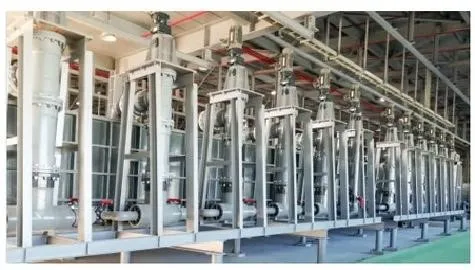
Hydrometallurgy is widely favored in Southeast Asia due to its high recovery rates, lower energy consumption, and better environmental performance compared to traditional smelting. Advanced extraction and separation equipment improves efficiency and consistency, which is critical for meeting international quality standards demanded by battery material producers.
Is lithium-ion battery recycling environmentally safe?
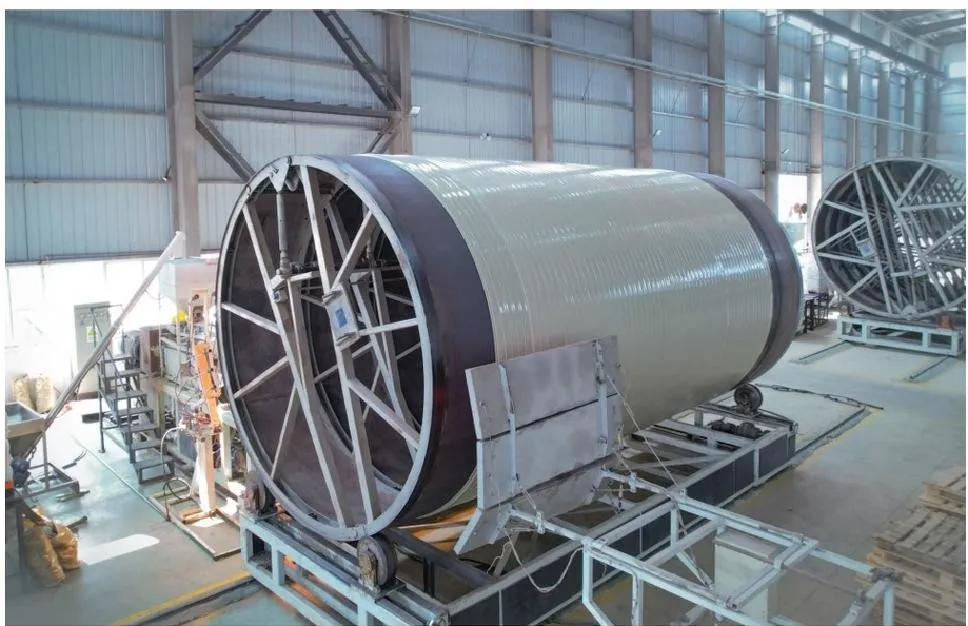
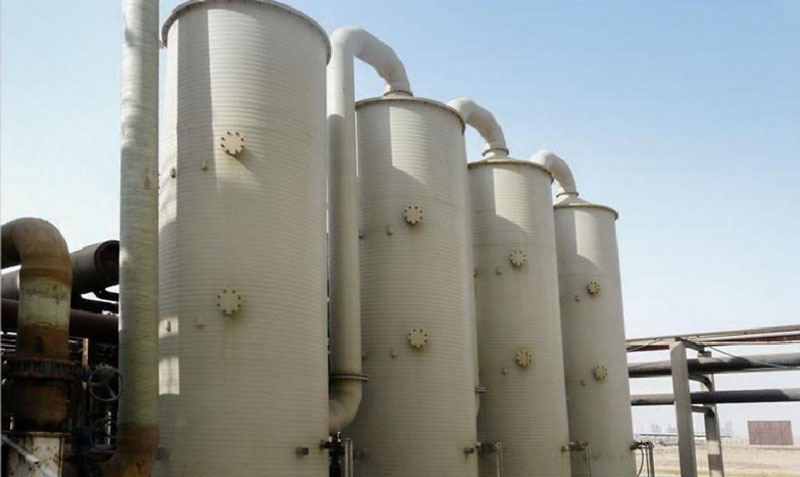
When designed and operated correctly, modern recycling plants significantly reduce environmental risks. Closed-loop wastewater systems, waste gas treatment, and corrosion-resistant equipment are essential. Compliance with local environmental regulations and international standards ensures minimal emissions, controlled effluents, and safe handling of hazardous materials.
What regulations apply in Southeast Asia?
Regulatory frameworks vary by country but are generally tightening. Governments increasingly require licensed operators, traceable waste management, and environmental impact controls. Companies investing early in compliant recycling infrastructure gain long-term operational stability and improved credibility with global partners focused on ESG performance.
Is lithium-ion battery recycling profitable?
Profitability depends on battery volumes, metal prices, recovery efficiency, and operational costs. With optimized process design and high recovery rates, recycling can generate stable returns, especially as demand for lithium and nickel continues to grow. In Southeast Asia, lower labor costs and proximity to battery manufacturing further enhance economic feasibility.
What challenges should operators consider?
Key challenges include battery safety risks, inconsistent feedstock quality, and technology selection. Choosing scalable, customizable equipment and working with experienced engineering partners helps mitigate these risks. Logistics planning is also critical due to fragmented battery collection networks across the region.
How should companies start a recycling project?
Successful projects begin with feasibility studies covering feedstock availability, regulatory compliance, process routes, and investment planning. EPC-based solutions that integrate design, equipment manufacturing, installation, and commissioning reduce project risks and shorten timelines—an important advantage in fast-growing Southeast Asian markets.
Lithium-ion battery recycling enables Southeast Asia to support EV growth, protect the environment, and secure critical materials through safe, efficient, and compliant industrial solutions.
 English
  Deutsch
  Français
  Português
  Español
  Italiano