
Unsafe lithium-ion battery recycling causes fire risks, metal loss, and environmental pressure; TYIC’s integrated recycling solutions help manufacturers recover value safely and efficiently.
The most effective way to recycle lithium-ion batteries is to combine safe collection, precise sorting, controlled pretreatment, hydrometallurgical recovery, and environmental protection systems into one integrated process. With strong capabilities in process design, extraction technology, equipment manufacturing, and turnkey project delivery, TYIC helps industrial clients recover nickel, cobalt, manganese, and lithium into high-value battery-grade materials.
The real question is not whether batteries can be recycled, but how to recycle them more safely, cleanly, and profitably.
Table of Contents
Why Effective Lithium-Ion Battery Recycling Matters
As electric vehicles, energy storage systems, and consumer electronics continue to expand, the number of end-of-life lithium-ion batteries is rising rapidly. These batteries contain valuable metals such as nickel, cobalt, manganese, and lithium, but they also present serious operational challenges. Improper disposal may lead to resource waste, electrolyte leakage, fire hazards, and secondary pollution. For industrial recyclers and battery material producers, this means that recycling is no longer just a waste treatment issue. It is now a strategic part of raw material recovery and circular manufacturing.
For this reason, the most effective recycling methods must balance four key goals:
◆ Safety
◆ Metal recovery efficiency
◆ Product purity
◆ Environmental compliance
A successful recycling system should not only recover metals, but also create a stable and scalable route to produce materials that can re-enter the battery supply chain.
Safe Collection, Classification, and Pretreatment Come First
Before valuable metals can be recovered, spent batteries must be handled correctly. This first stage is often underestimated, yet it directly affects the stability of every downstream process. Effective recycling begins with safe collection, standardized packaging, controlled transportation, inspection, and temporary storage. Damaged batteries, mixed chemistries, or poorly managed feedstock can increase thermal runaway risk and reduce overall process efficiency.
The next step is sorting and classification. Since lithium-ion batteries differ in chemistry, structure, and remaining charge, they cannot all be processed in the same way. Accurate sorting makes it easier to decide whether batteries should go through disassembly, crushing, roasting, leaching, or extraction routes. This is essential for improving metal recovery rates and reducing unnecessary energy or reagent consumption.
Controlled discharge and dismantling also play an important role. These steps reduce ignition risks during mechanical treatment and remove structural materials that do not contribute to metal recovery. By improving feed consistency, pretreatment supports more stable hydrometallurgical performance later in the line.
Hydrometallurgy Is One of the Most Effective Recovery Routes
For high-value battery recycling, hydrometallurgical processing remains one of the most effective industrial methods. According to TYIC’s technical direction in retired ternary power battery recycling, the main recovery route can include:
◆ Disassembly and crushing
◆ Roasting
◆ Leaching
◆ Extraction
◆ Evaporation and crystallization or electrowinning
◆ Precipitation
This process route is especially effective because it allows the complete separation and recovery of nickel, cobalt, manganese, and lithium, making it possible to produce battery-grade products rather than only low-value mixed outputs.
Compared with simpler recovery methods, hydrometallurgy offers stronger control over purity, selectivity, and final product specification. For battery recyclers, this is a major advantage. Recovering metals is important, but recovering them in a form that can be reused by the battery materials industry is what creates the greatest long-term value.
Why TYIC’s Process Integration Creates Better Results
The effectiveness of a recycling project depends not only on chemistry, but also on process integration and engineering execution. This is where TYIC provides a strong advantage. The company has capabilities in process design, scheme development, equipment design, mechanical and electrical automation, technical problem-solving, and EPC-style project support. With experience in designing more than 20 production lines at home and abroad and serving over 100 projects, TYIC brings practical industrial experience into every system.
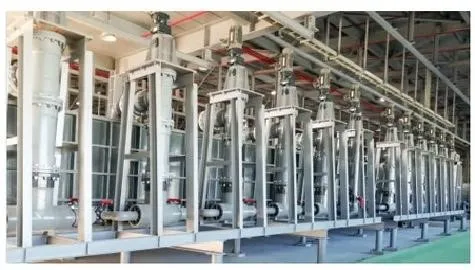
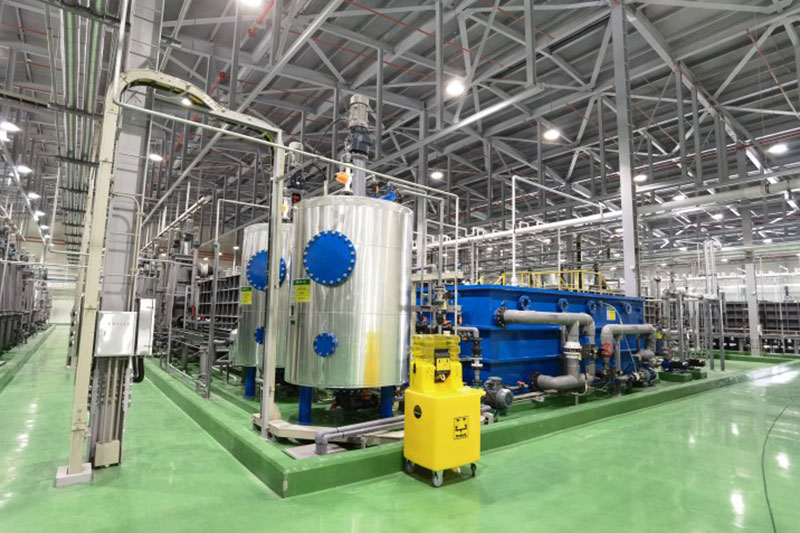
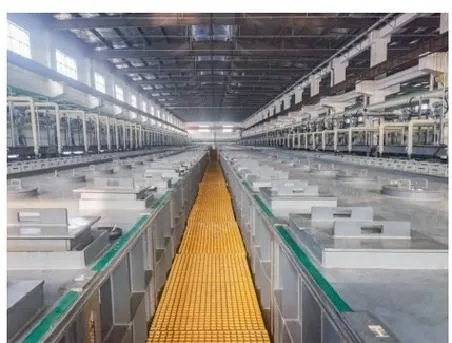
TYIC’s approach is valuable because it does not treat recycling as a single machine or isolated step. Instead, it views the plant as a coordinated production system. Based on customer requirements, TYIC can support the planning and design of the entire leaching and extraction production line, including:
◆ Process route selection and optimization
◆ Equipment structure design
◆ Workshop layout planning
◆ Supporting facility selection
◆ Civil engineering condition data
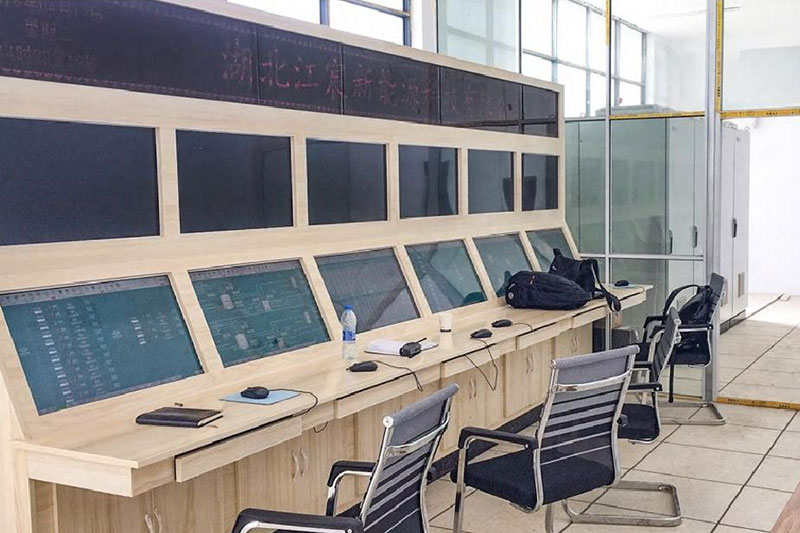
◆ Electrical automation design
◆ Pipeline and cable tray routing
◆ Tank filling, commissioning, and training support
This type of turnkey project capability is one of the most effective ways to reduce implementation risk for battery recyclers. It helps ensure that the process route, equipment, layout, and environmental systems all work together from the beginning.
Environmental Protection Is Part of Effective Recycling
A lithium-ion battery recycling line cannot be considered truly effective if it ignores emissions and wastewater. In real industrial operation, metal recovery must be supported by proper environmental treatment. TYIC’s business strength in waste gas and wastewater treatment process design adds major value here.
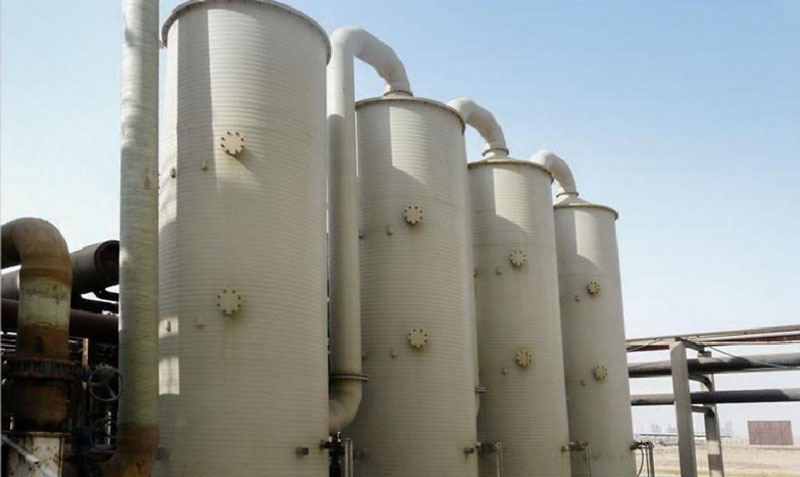
For example, waste gas pretreatment may involve alkali washing, water washing, mist removal, cooling, and adsorption systems, allowing acid mist and harmful components to be controlled before discharge. This integrated design approach helps customers meet stricter plant safety and environmental standards while protecting long-term production stability.
In other words, the best recycling system is not just about extracting metals. It is about building a safe, efficient, and compliant industrial ecosystem around the recycling process.
The Most Effective Strategy Is a Customized, High-Recovery System
There is no single universal solution for every battery recycling project. Feedstock type, product goals, local regulations, plant conditions, and investment plans all affect process design. That is why customization is one of the most effective strategies in lithium-ion battery recycling.
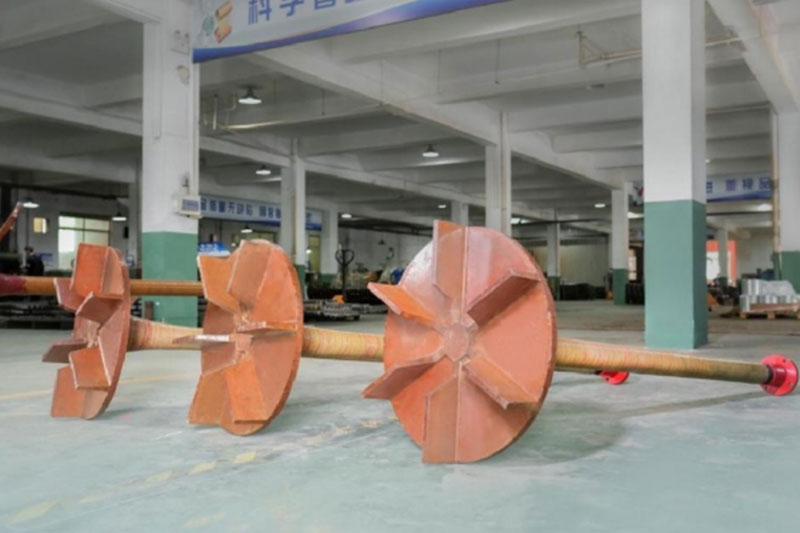
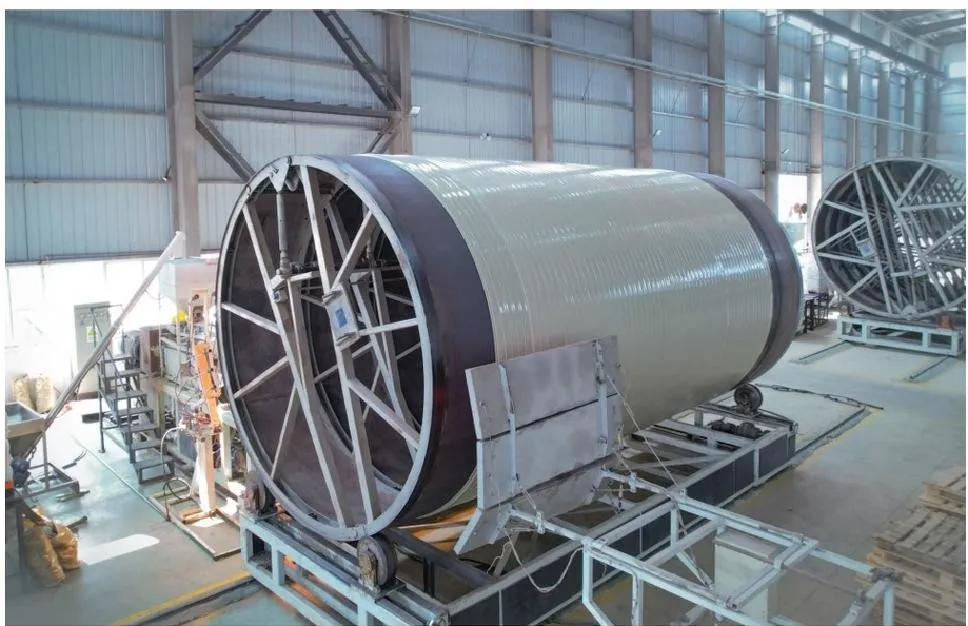
With its technical team, patented equipment, production experience, and integrated engineering support, TYIC helps clients build tailored recycling solutions that focus on high recovery, operational stability, and long-term value creation. For battery recyclers, precursor producers, and non-ferrous metal recovery companies, this kind of system-level solution offers a more reliable path toward circular manufacturing.
Effective lithium-ion battery recycling depends on safe pretreatment, high-efficiency extraction, and integrated engineering—exactly where TYIC delivers industrial value.
 English
  Deutsch
  Français
  Português
  Español
  Italiano