
Discarded lithium-ion batteries create environmental risks and resource losses. Inefficient recycling increases costs and pollution. Hydrometallurgy and pyrometallurgy offer proven solutions for recovering valuable battery materials.
Hydrometallurgy and pyrometallurgy are the two primary methods used in battery recycling. Pyrometallurgy relies on high-temperature smelting to recover metals, while hydrometallurgy uses chemical leaching and separation processes. Both technologies enable the recovery of valuable materials such as nickel, cobalt, copper, and lithium, supporting sustainable battery supply chains and the circular economy.
Understanding the strengths and limitations of each recycling method is essential for selecting the most efficient battery recovery strategy.
Índice
Why Battery Recycling Matters
The rapid growth of electric vehicles (EVs), energy storage systems, and portable electronics has significantly increased global demand for lithium-ion batteries. As these batteries reach the end of their service life, recycling becomes critical for recovering valuable metals and reducing environmental impacts.
Battery recycling helps:
- Reduce dependence on virgin mining resources
- Lower greenhouse gas emissions
- Minimize hazardous waste disposal
- Support a circular economy for critical battery materials
- Improve supply chain security for battery manufacturers
As governments and industries focus on sustainability, advanced recycling technologies are becoming increasingly important.
What Is Pyrometallurgy Battery Recycling?
Pyrometallurgy is one of the oldest and most established battery recycling technologies. The process involves using high-temperature furnaces to smelt battery materials and separate valuable metals from other components.
Typical Pyrometallurgical Process
- Collection and preprocessing of spent batteries
- Thermal treatment or incineration
- Smelting at high temperatures
- Metal alloy production
- Further refining and purification
During smelting, metals such as cobalt, nickel, and copper are recovered in an alloy form, while materials such as plastics, electrolytes, and organic compounds are burned off.
Advantages of Pyrometallurgy
- Mature industrial technology
- Capable of processing mixed battery chemistries
- High throughput capacity
- Less sensitive to feedstock variations
Limitations of Pyrometallurgy
- Elevado consumo de energia
- Significant greenhouse gas emissions
- Lithium recovery is often limited
- Additional refining stages are required
- Higher operating costs due to furnace requirements
While pyrometallurgy remains widely used, increasing environmental regulations are driving interest in more sustainable alternatives.
What Is Hydrometallurgy Battery Recycling?
Hydrometallurgy uses aqueous chemical solutions to selectively dissolve and recover valuable metals from battery materials. This process typically occurs at much lower temperatures than pyrometallurgical methods.
Typical Hydrometallurgical Process
- Battery discharge and dismantling
- Mechanical crushing and separation
- Leaching using acids or chemical reagents
- Solvent extraction and purification
- Metal precipitation and recovery
The process enables efficient recovery of critical metals including:
- Lítio
- Níquel
- Cobalto
- Manganês
- Cobre
Advantages of Hydrometallurgy
Higher Metal Recovery Rates
Hydrometallurgical systems can achieve exceptionally high recovery rates for valuable battery materials, including lithium, which is often difficult to recover through pyrometallurgy.
Lower Energy Consumption
Because the process operates at relatively low temperatures, energy requirements are significantly reduced.
Reduced Environmental Impact
Lower emissions and improved resource utilization make hydrometallurgy more environmentally friendly.
Greater Product Purity
The selective separation process allows the production of high-purity metal compounds suitable for battery-grade applications.
Limitations of Hydrometallurgy
- More complex chemical processing
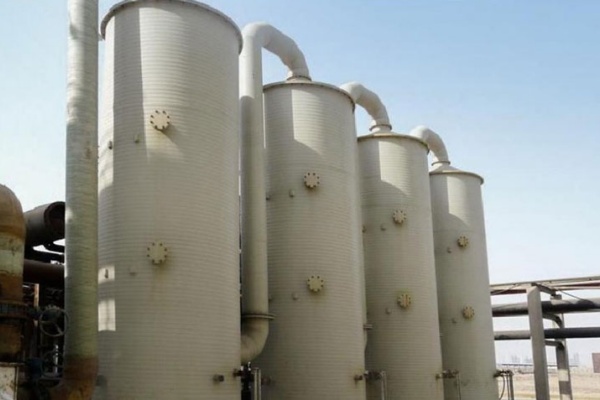
- Requires careful wastewater management
- Process optimization varies by battery chemistry
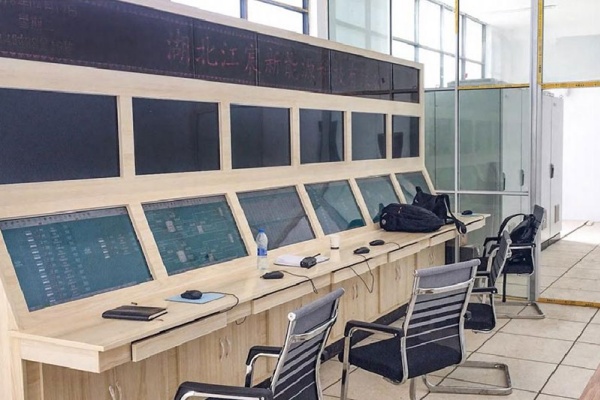
- Higher demands on process control systems
Despite these challenges, hydrometallurgy is increasingly recognized as the preferred technology for modern battery recycling facilities.
Hydrometallurgy vs. Pyrometallurgy: Key Comparison
| Factor | Hidrometalurgia | Pirometalurgia |
|---|---|---|
| Operating Temperature | Baixa | Very High |
| Consumo de energia | Inferior | Mais alto |
| Recuperação de lítio | Excellent | Limited |
| Metal Recovery Efficiency | Elevado | Moderado |
| Environmental Impact | Inferior | Mais alto |
| Process Complexity | Mais alto | Inferior |
| Product Purity | Elevado | Requires Further Refining |
| Carbon Emissions | Inferior | Mais alto |
This comparison demonstrates why many new battery recycling projects are prioritizing hydrometallurgical solutions.
The Future of Battery Recycling
As the volume of end-of-life batteries continues to increase, the industry is moving toward technologies that maximize resource recovery while minimizing environmental impact.
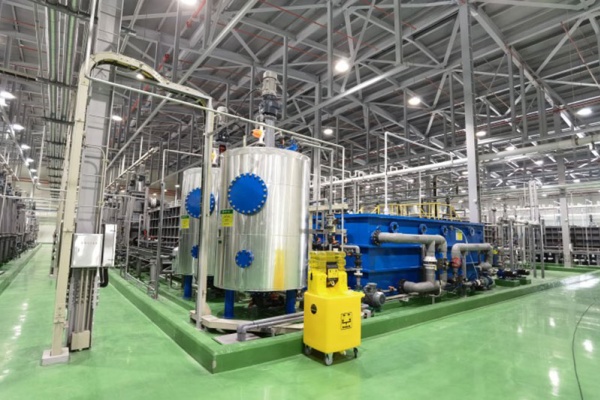
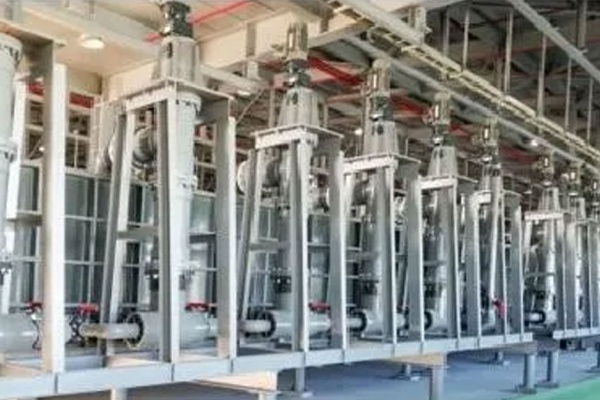
Many modern recycling facilities now combine mechanical pretreatment with advanced hydrometallurgical extraction systems to achieve higher recovery efficiencies. Innovations in solvent extraction, selective leaching, and process automation are further improving economic performance.
For battery manufacturers, recyclers, and material suppliers, adopting efficient recycling technologies will be critical to securing long-term supplies of valuable metals while meeting increasingly stringent sustainability requirements.
Hydrometallurgy and pyrometallurgy both play important roles in battery recycling, but hydrometallurgy is increasingly favored for its higher recovery rates, lower emissions, and greater resource efficiency.
 Português
  English
  Deutsch
  Français
  Español
  Italiano