
Low recovery efficiency, unstable separation, and poorly matched equipment can increase recycling costs and product losses. Integrated process design and reliable industrial equipment help improve recovery, stability, and long-term operation.
Industrial lithium battery recycling recovers valuable nickel, cobalt, manganese, lithium, and other materials from spent lithium-ion batteries through crushing, leaching, extraction, crystallization, electrowinning, and precipitation. For B2B buyers, successful projects depend on optimized process design, corrosion-resistant equipment, automation, environmental treatment, commissioning support, and reliable integration of the complete production line.
Understanding these factors helps buyers compare technologies, evaluate suppliers, and select a recycling system suitable for long-term industrial operation.
Índice
What Is Industrial Lithium Battery Recycling?
Industrial lithium battery recycling is the process of recovering valuable metals and reusable materials from end-of-life lithium-ion batteries.
For ternary lithium batteries, a typical hydrometallurgical process may include:
- Battery disassembly and crushing
- Roasting or pretreatment
- Lixiviação ácida
- Liquid-liquid extraction
- Evaporação e cristalização
- Electrolavagem
- Precipitação
- Tratamento de gases residuais e de águas residuais
The exact process route depends on battery composition, required product purity, production capacity, environmental requirements, and downstream applications.
For industrial operators, recycling efficiency depends on the complete process system, rather than on a single machine.
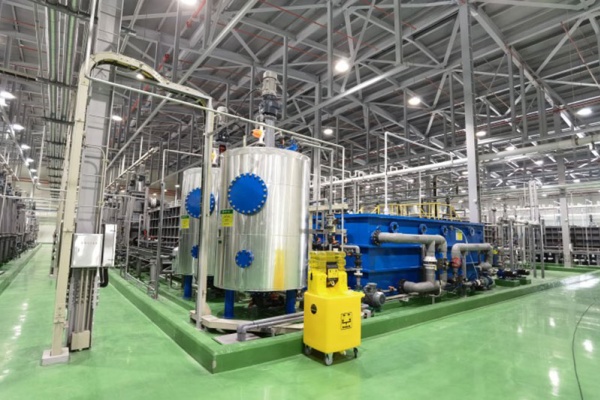
Equipment, pipelines, tanks, extraction systems, environmental facilities, and automation should therefore be designed as an integrated production line.
Key Metals Recovered from Lithium Batteries
Spent lithium batteries can contain significant quantities of valuable metals.
The main recovery targets commonly include:
- Níquel
- Cobalto
- Manganês
- Lítio
- Copper and other recoverable materials
These materials can be separated and processed into intermediate or refined products for reuse in battery-material production and other industrial applications.
Hydrometallurgical processes are especially suitable for separating nickel, cobalt, manganese, and lithium from mixed solutions.
Similar technologies can also be applied to nickel-cobalt intermediate products such as MHP.
Key B2B Performance Indicators
Industrial buyers should evaluate more than nominal production capacity.
Important performance indicators include:
- Metal recovery rate
- Pureza do produto
- Eficiência de extração
- Reagent consumption
- Consumo de energia
- Waste generation
- Equipment stability
- Requisitos de manutenção
- Custo operacional
A recycling line with high theoretical capacity may still create operational problems if phase separation, corrosion control, automation, or environmental treatment is poorly designed.
Core Equipment in a Lithium Battery Recycling Line
A complete hydrometallurgical recycling plant normally requires several equipment groups working together.
1. Leaching and Reaction Equipment
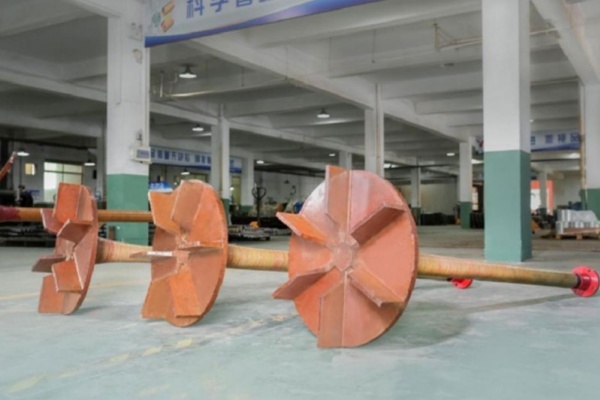
Leaching and reaction tanks provide controlled contact between battery materials and chemical reagents.
Operating conditions such as:
- Temperatura
- Mixing speed
- Tempo de reação
- Concentração química
- Compatibilidade dos materiais
must be properly controlled to maintain stable production.
2. Extraction Equipment
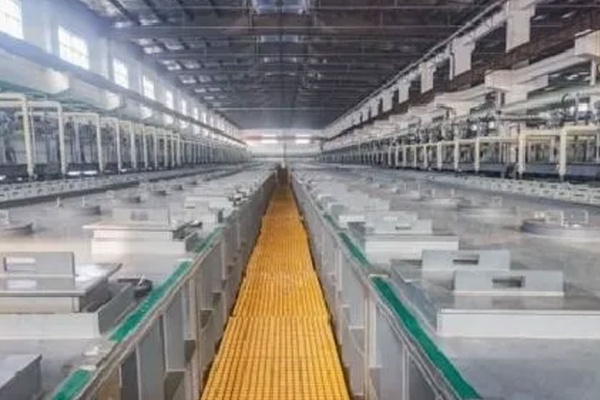
Solvent extraction is a critical separation stage in many nickel, cobalt, manganese, and lithium recovery processes.
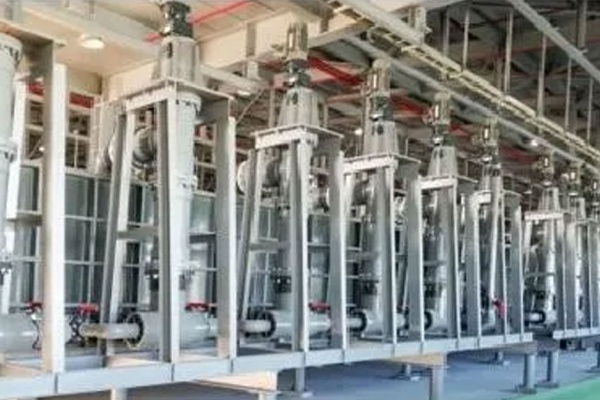
TYIC provides extraction equipment including:
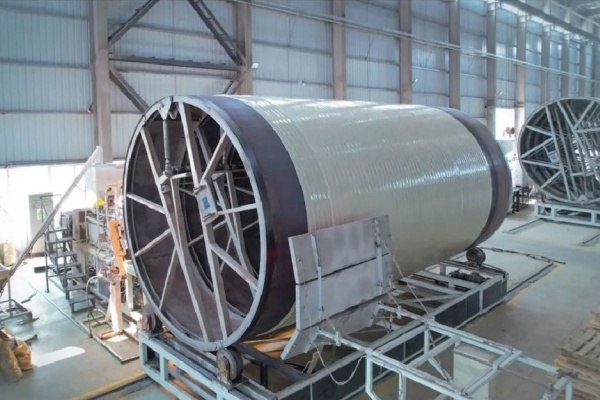
- Environment-friendly extraction boxes
- Tubular rapid extractors
- Customized liquid-liquid extraction systems
The equipment can be configured according to process capacity, solution composition, extraction stages, plant layout, and operating requirements.
3. Oil Removal Systems
Residual organic phase or oil may influence downstream product quality.
Depending on process requirements, oil removal can use technologies such as:
- Resin oil removal
- Dissolved-air flotation
- Other customized separation methods
Effective oil removal can improve downstream solution quality and process stability.
Corrosion-Resistant Materials Matter
Lithium battery recycling involves acidic, alkaline, organic, and metal-containing solutions.
Equipment materials must therefore be selected according to actual operating conditions.
Common material options may include:
- PPH
- PEAD
- PVC
- FRP
- Steel-lined plastic
- Stainless steel
Material selection should consider chemical concentration, operating temperature, mechanical strength, pressure, service life, and maintenance conditions.
Using unsuitable materials can increase corrosion, leakage, shutdown frequency, and replacement costs.
Environmental Protection Should Be Integrated
Industrial battery recycling also generates wastewater and waste gas that require controlled treatment.
Waste gas may contain:
- Névoa ácida
- Organic components
- Moisture
- Entrained droplets
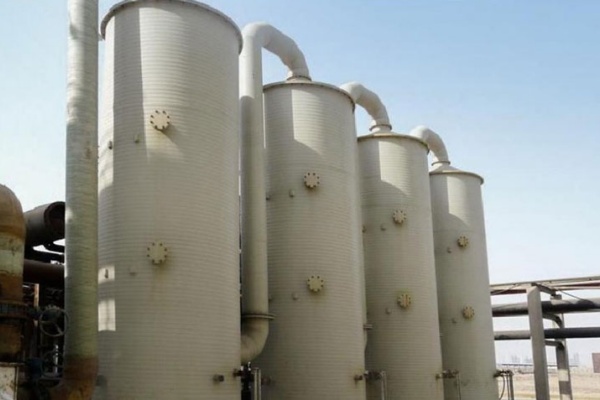
TYIC environmental treatment solutions can include:
- Lavagem com álcalis
- Lavagem com água
- Remoção de névoa
- Adsorção por carvão ativado
- Adsorption regeneration
These treatment stages can help remove acidic substances, reduce moisture, control organic emissions, and support compliant plant operation.
Environmental systems should ideally be designed together with the production process.
This helps coordinate:
- Capacidade de produção
- Treatment capacity
- Equipment layout
- Pipeline arrangement
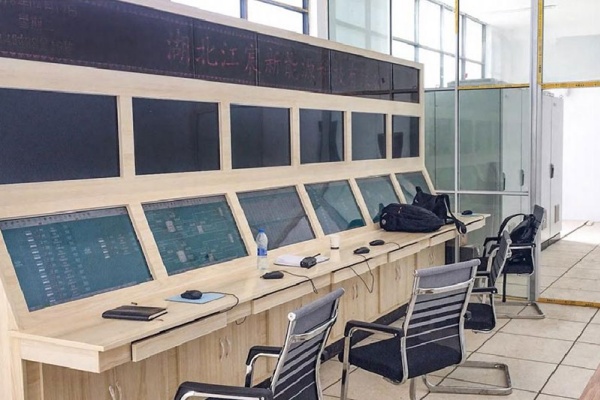
- Monitoring systems
- Operating conditions
How B2B Buyers Should Evaluate Recycling Equipment Suppliers
Supplier selection should focus on engineering capability as well as manufacturing capability.
A lithium battery recycling project normally involves chemical engineering, mechanical equipment, electrical systems, automation, piping, environmental treatment, and plant layout.
Important supplier evaluation criteria include:
- Relevant project experience
- Process design capability
- Customization capability
- Materials selection
- Qualidade de fabrico
- Integração da automatização
- Apoio à instalação
- Commissioning services
- Formação de operadores
- Documentação técnica
- After-sales support
Buyers should also examine whether the supplier has experience with similar battery materials, process routes, and production capacities.
TYIC’s technical materials indicate experience in more than 20 lithium battery recycling production-line designs and over 100 related industrial service projects.
Why EPC Capability Is Important
For large industrial recycling projects, purchasing equipment separately may create additional coordination requirements.
An EPC-oriented supplier can integrate multiple engineering stages into one project framework.
TYIC’s turnkey service scope can include:
- Process-route optimization
- Material balance preparation
- PFD development
- P&ID development
- Customized equipment design
- Disposição da oficina
- Electrical and automation design
- Conceção de condutas
- Cable-tray design
- Equipment installation coordination
- Tank filling
- Production commissioning
- Formação de operadores
- Project documentation delivery
This integrated approach is particularly useful for new plants, production expansion, process upgrades, and feedstock changes.
Final B2B Purchasing Checklist
Before requesting quotations, buyers should clearly define:
- Composição da matéria-prima da ração
- Annual processing capacity
- Target recovered products
- Pureza exigida do produto
- Recovery-rate objectives
- Available utilities
- Site limitations
- Requisitos de automatização
- Environmental standards
- Installation responsibilities
- Commissioning requirements
Buyers should compare total project value rather than equipment price alone.
Capital investment, operating cost, corrosion resistance, energy consumption, maintenance, production stability, environmental performance, and engineering support all influence long-term project economics.
Industrial lithium battery recycling is most effective when process design, equipment, automation, environmental treatment, and commissioning operate as one coordinated system.
 Português
  English
  Deutsch
  Français
  Español
  Italiano