
Lithium‑ion battery waste creates hazardous pollution, resource scarcity, and skyrocketing costs if untreated. Serious environmental and economic harm follows. A groundbreaking recycling method now offers efficient, safe, and scalable recovery solutions.
A new lithium‑ion battery recycling method dramatically increases material recovery rates while minimizing environmental impact and cost. This advanced process enhances sustainability in battery supply chains and supports global clean energy transitions by improving yield, reducing hazardous waste, and lowering recycling barriers.
This article explains why this new method matters and how it transforms recycling for the energy industry.
As veículos eléctricos (VEs) expand and energy storage proliferates, spent lithium‑ion batteries pose a growing environmental and supply challenge. Conventional recycling methods struggle with efficiency, coste environmental safety, leading to up to 30% material loss and significant chemical waste. The new lithium‑ion battery recycling method provides a breakthrough pathway combining cutting‑edge chemistry, process engineeringe environmental stewardship, enabling industries to meet sustainability goals e resource demand without compromise.
Índice
❌ Why Traditional Recycling Falls Short
Traditional recycling techniques—pyrometallurgical e hydrometallurgical processes—have dominated the industry for decades. While they recover valuable metals such as cobalto, níquele lítio, they have critical limitations:
-
🔥 Energy Intensity: High temperatures in pyrometallurgy require significant energy input, increasing costs and carbon footprint.
-
📉 Material Loss: Some valuable elements are lost during high‑heat smelting or aqueous treatment, reducing overall yield.
-
☣️ Chemical Use: Hydrometallurgical methods rely on strong acids and reagents, generating hazardous liquid waste.
-
💸 Limited Economics: A viabilidade económica diminui quando as matérias-primas variam ou quando predominam materiais de baixo valor.
➡️ Estes desafios sublinham a necessidade de uma método de reciclagem de última geração que melhora recuperação, reduz risco ambiental, e escalas de forma económica.
✅ The New Recycling Method Explained
O novo método de reciclagem de baterias de iões de lítio integra técnicas físicas e químicas avançadas para extrair e purificar componentes de baterias com maior eficiência e sustentabilidade.
🔧 1. Mechanical Pretreatment and Safe Disassembly
O processo começa com desmontagem automática e separação mecânica. Este processo remove os invólucros e separa as células enquanto proteção contra a fuga térmica. A trituração e a classificação de precisão isolam os materiais do elétrodo sem danificar o componentes activos, melhorando a recuperação a jusante.
💧 2. Selective Solvent Extraction
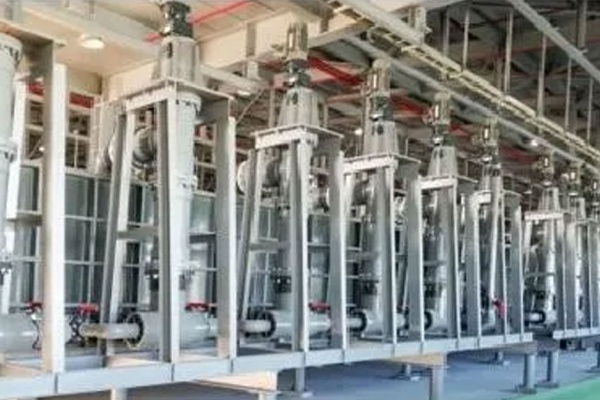
Em vez de banhos de ácido genéricos, o novo método utiliza sistemas de solventes adaptados que dissolver seletivamente os metais visados. Isto melhora a pureza de recuperados lítio, níquel, cobalto, e manganês, reduzindo a necessidade de purificação secundária e baixar resíduos perigosos saída.
⚡ 3. Electrochemical Recovery Systems
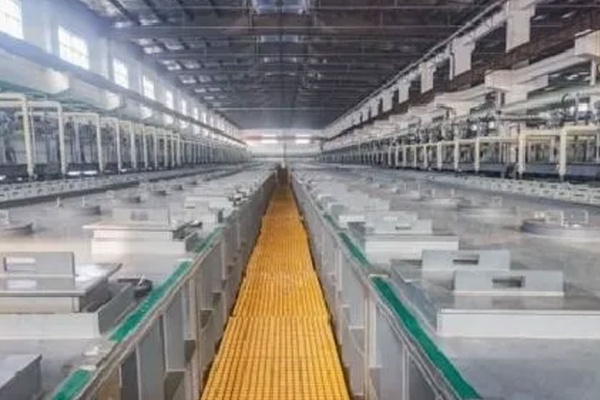
Células electroquímicas recuperar diretamente os metais dissolvidos via deposição controlada. Estes sistemas alcançam elevada seletividade e baixa procura de energia, produzindo precursores catódicos de qualidade comercial pronto para ser reutilizado no fabrico de baterias.
🔄 4. Closed‑Loop Water and Chemical Management
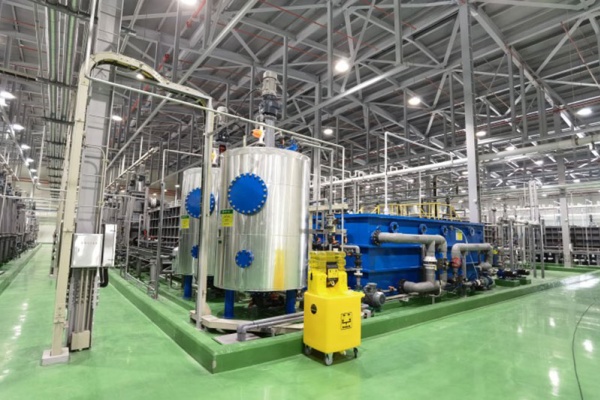
Sistemas de recuperação de água e solventes recuperam até 95% de fluidos de processamento utilizando filtração, destilaçãoe tecnologias de membranas, minimizando utilização dos recursos e effluent discharge.
🌍 Benefits for Industry and Environment
This new recycling method delivers tangible benefits across multiple dimensions:
-
🪙 Higher Metal Recovery Rates: Maximizes yields for lithium and other critical metals.
-
🌱 Reduced Environmental Impact: Cuts energy usage and hazardous byproducts.
-
💼 Enhanced Economic Value: Boosts profitability through efficient recovery.
-
🏗️ Scalability: Adapts to various facility sizes and throughput needs.
-
🛡️ Safety: Reduces risk through automation and safer chemical handling.
🏆 Case Studies and Competitive Position
Early adopters have reported 20–30% improvements in key metal recovery. Facilities using selective solvents and electrochemical recovery secure premium contracts from battery producers seeking reliable secondary sources—strengthening competitive positioning e market trust.
📜 Regulatory and Market Drivers
Governments globally are enforcing recycling quotas e recovery targets. Responsabilidade alargada do produtor (EPR) policies and carbon mandates drive manufacturers toward cleaner, more efficient methods. This new process helps stakeholders comply with regulations while reducing reliance on raw imports.
♻️ Sustainability and Circular Economy Impact
The method supports the economia circular by reducing reliance on mining, minimizing emissions, and recapturing critical resources. It empowers battery supply chains to align with climate goals, ESG standardse sustainability strategies.
🚧 Challenges and Future Innovations
While promising, the method’s full-scale deployment requires investment, traininge global policy alignment. Future research aims to optimize solvent chemistry, energy usee digital automation—unlocking further potential.
🧩 Conclusão
The new lithium‑ion battery recycling method represents a transformative approach to reclaiming materials. It enables higher recovery, lower environmental impact, and supports the future of clean energy.
Short summary: Advanced recycling boosts lithium‑ion battery material recovery, reduces environmental harm, and advances sustainable industrial practices.
 Português
  English
  Deutsch
  Français
  Español
  Italiano