
Spent Li-ion batteries contain significant hidden value; without proper recovery, critical metals are wasted, costs continue to rise, and environmental pressure becomes more severe. Advanced recycling technologies make it possible to turn used batteries into reusable resources.
Li-ion battery recycling mainly focuses on recovering high-value materials such as lítio, níquel, cobalto, e manganês from spent batteries and converting them into battery-grade raw materials that can re-enter manufacturing. Efficient recovery not only reduces dependence on virgin resources, but also supports circular manufacturing, lowers environmental burden, and improves the overall economic value of spent batteries.
What truly matters is how these recovered materials can be stably and efficiently returned to industrial production.
Índice
◆ Why Material Recovery Matters in Li-Ion Battery Recycling
Li-ion batteries are widely used in electric vehicles, energy storage systems, and portable electronic devices. As the adoption of these products continues to grow, increasing numbers of batteries are reaching the end of their service life. From an industrial perspective, retired batteries are not only waste that must be handled, but also a secondary resource with substantial potential value. Inside each battery are several high-value metals that originally required complex mining, refining, and manufacturing processes, along with considerable energy and cost input.
If these materials are not effectively recovered after batteries are discarded, valuable resources are lost and manufacturers may face greater pressure in raw material procurement. In particular, as the new energy industry continues to expand, the stability of critical metal supply has become increasingly important. For this reason, material recovery is no longer just an environmental topic. It is also directly connected to resource efficiency, supply chain security, and the long-term sustainability of the industry.
Recovering key materials from spent Li-ion batteries can help reduce reliance on virgin mineral resources, ease the impact of upstream supply fluctuations, and support a more stable raw material cycle for the power battery and new energy materials sectors. That is why more companies are paying close attention to the technical maturity, engineering capability, and long-term operational stability of battery recycling systems.
◆ Main Materials Recovered from Spent Li-Ion Batteries
In the recycling of spent Li-ion batteries, the materials with the highest commercial value typically include lítio, níquel, cobalto e manganês. These elements are essential components of cathode material systems, and even after battery retirement, they still retain substantial reuse value when recovered properly.
● Lithium
Lítio is one of the most essential elements in Li-ion batteries and remains a key strategic resource in the new energy sector. As demand from electric vehicles and energy storage systems continues to rise, the value of lithium recovery is becoming even more important.
● Nickel
Níquel plays a major role in high-energy-density battery systems, especially in applications that require strong performance and long driving range. As a result, nickel recovery has both economic significance and direct relevance to advanced battery manufacturing.
● Cobalt
Cobalto helps improve battery stability, cycle life, and overall performance. Although some battery chemistries are reducing cobalt content, it remains one of the most important targets in battery recycling.
● Manganese
Manganês also has practical value in battery systems that aim to balance safety, cost control, and performance. Through efficient recovery, manganese can likewise be returned to the material production cycle.
In addition to these metals, depending on the battery structure and the recycling route used, other materials such as copper, aluminum, graphite, and certain plastics can also be separated and reused. However, from the standpoint of industrial value and market attention, the main focus usually remains on the key metals that can be further purified and converted back into battery-grade materials.
◆ From Spent Batteries to Battery-Grade Materials
Recovering valuable materials is not simply a matter of dismantling batteries and sorting components. It is a systematic engineering process involving multiple interrelated stages. Materials inside spent Li-ion batteries are often complex in composition and may contain impurities, contaminants, and degraded compounds. The real challenge lies in turning these complex feed materials into high-purity, stable, and standardized outputs that can be used again in manufacturing.
A complete recycling process usually includes the following stages:
- Pretreatment
- Material separation
- Lixiviação
- Extração
- Purificação
- Conversion into reusable compounds or precursors
These steps are closely linked, and poor control at any point may affect the final recovery rate and product quality. For that reason, the value of a recycling system does not lie only in its theoretical ability to recover metals. It also depends on its actual performance in terms of process control, equipment reliability, production line compatibility, and overall engineering coordination.
For companies that intend to return recovered materials to battery manufacturing, the results must meet much higher standards. Only when the output has sufficient purity, consistency, and controllability can recovered materials truly become part of a sustainable supply chain rather than remain limited to lower-value reuse.
◆ Key Factors That Determine Recovery Efficiency and Industrial Value
Although the metal content of spent Li-ion batteries is important, the factors that truly determine recovery efficiency and industrial value are often related to the overall capability of the recycling system. Several areas are especially critical:
1. Purity and Consistency
If recovered materials are to re-enter battery manufacturing, they must meet strict quality requirements. For downstream manufacturers, stable and consistent material quality is often more important than a single high recovery result. Only recovered products with high purity, traceability, and batch-to-batch consistency can better match the needs of large-scale production.
2. Equipment and Process Design
Well-designed equipment configuration and process planning help improve metal recovery rates, operating stability, and cost control. In contrast, poorly designed systems may lead to higher reagent consumption, increased energy use, more downtime, and heavier burdens in exhaust gas and wastewater treatment, thereby reducing the overall profitability of the project.
3. System Integration
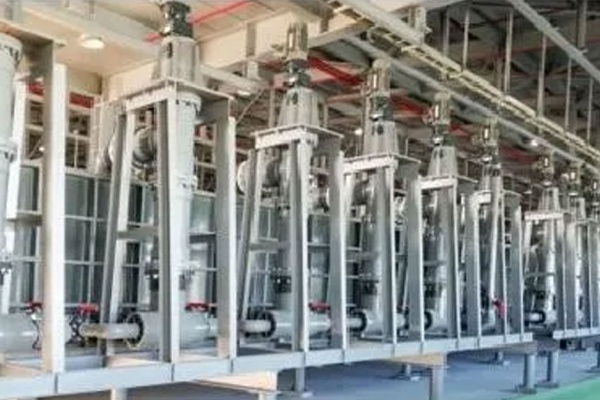
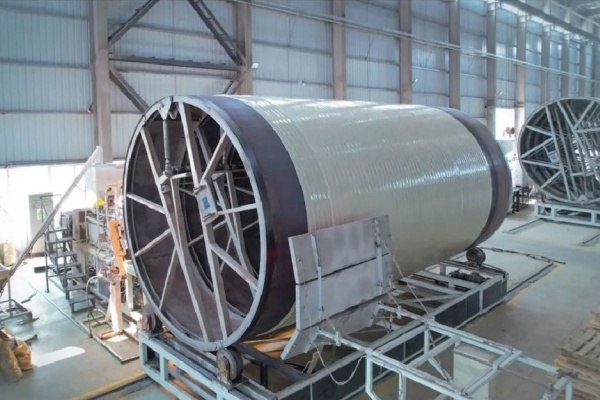
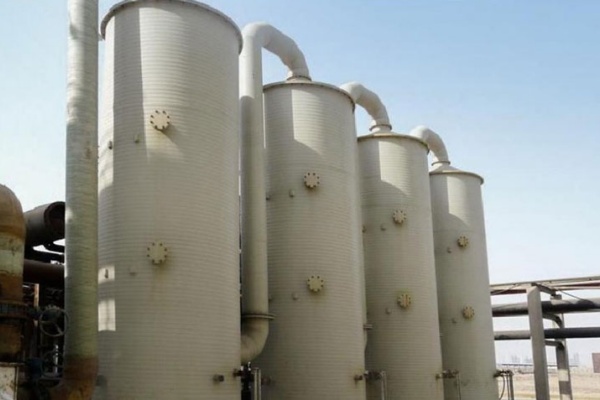
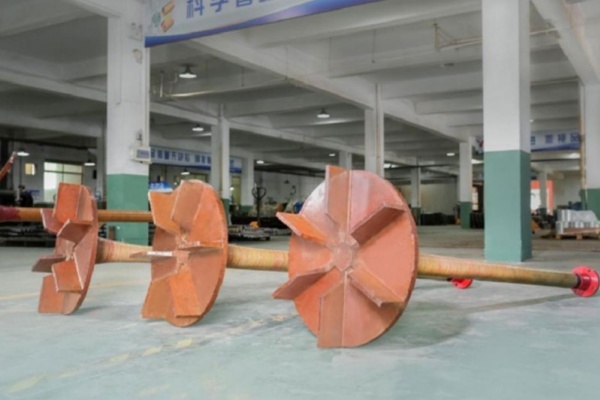
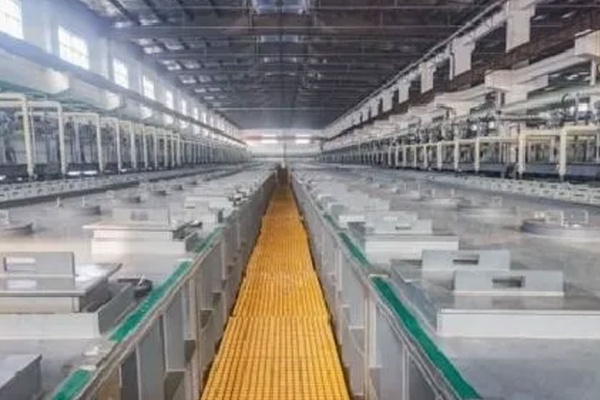
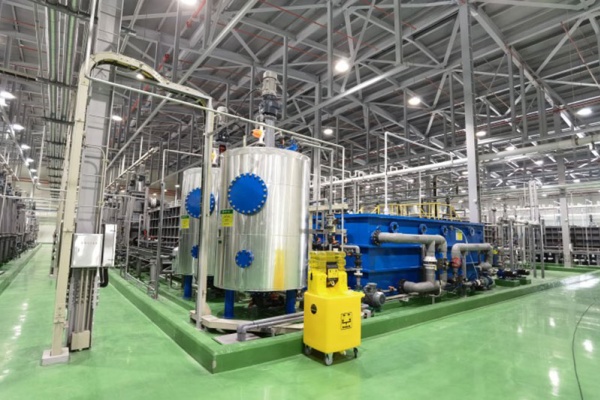
Battery recycling is not a task that can be completed by one individual machine. It depends on effective coordination among multiple types of equipment and process modules. In practice, recovery performance is often closely related to the integration of extraction equipment, tank systems, mixing equipment, corrosion-resistant materials, and exhaust gas and wastewater treatment systems. The better the integration, the more stable the operation and the greater the long-term project value.
4. Industrial Scale-Up Capability
A recovery effect achieved in the laboratory does not necessarily mean the same result can be stably reproduced in industrial production. A truly competitive recycling solution must combine technical feasibility, engineering implementation capability, and long-term operational performance. That is why industrial recycling places great importance on complete system design, production line planning, and continuous operating stability.
◆ The Broader Significance of Recovering Valuable Battery Materials
Recovering high-value materials from spent Li-ion batteries not only reduces resource waste, but also supports a more circular, low-carbon, and efficient industrial development model. As the new energy industry continues to grow, issues such as raw material supply fluctuation, resource security, and environmental compliance are becoming increasingly important for manufacturers. By establishing effective recycling systems, spent batteries can be transformed from a disposal burden into a sustainable source of valuable materials.
At the same time, efficient recycling can reduce dependence on virgin mining, lower the environmental risks associated with improper disposal, and help companies achieve a better balance between resource utilization and environmental responsibility. When recycling processes, equipment configuration, and environmental protection systems work together effectively, a recycling project is more likely to achieve a development path that combines economic value with environmental benefits.
Efficient Li-ion battery recycling transforms spent batteries into reusable strategic resources, increases circular value, reduces waste, and supports sustainable manufacturing.
 Português
  English
  Deutsch
  Français
  Español
  Italiano