
Toxic industrial emissions can lead to serious environmental and legal consequences—scrubber towers offer an efficient, scalable solution for gas purification and compliance with emission regulations.
A scrubber tower is a critical industrial device used to remove harmful gases and particulates from exhaust streams through absorption, scrubbing liquids, or chemical neutralization methods.
Explore its working principles, design strategies, and component choices to ensure reliable, compliant, and cost-effective gas treatment.
Table of Contents
What Is A Scrubber Tower Used For In Industrial Processes?
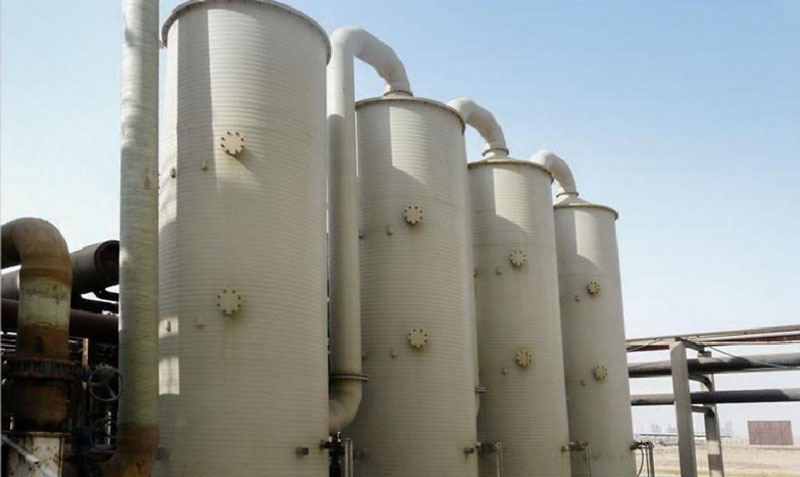
A scrubber tower, also known as a gas scrubber or absorption tower, is an environmental protection device designed to treat and purify industrial exhaust gases. It is widely used in chemical processing, metallurgy, battery recycling, semiconductor manufacturing, and pharmaceutical industries. Its primary function is to capture or neutralize pollutants such as acidic gases (HCl, SO₂, NOx), ammonia, VOCs (volatile organic compounds), and fine particulates before they are released into the atmosphere.
By channeling exhaust gas streams through a column filled with scrubbing liquid or chemical media, a scrubber tower promotes physical or chemical reactions that absorb or transform contaminants. This process helps companies stay in compliance with stringent environmental regulations and improve workplace safety by reducing toxic emissions.
Scrubber towers are especially valuable for industries dealing with hazardous chemicals or processes that emit corrosive or reactive gases. Their modular design also allows them to be integrated into large-scale facilities or small processing units. Whether you’re dealing with acid gas scrubbing, odor control, or fume removal, the scrubber tower remains one of the most dependable technologies available.
Operational Principle
The core principle of a scrubber tower lies in mass transfer between gas and liquid phases. Polluted gas enters the bottom or side of the tower and flows upward or downward against a stream of scrubbing liquid (usually water or a neutralizing solution). This counter-current or co-current contact enhances the interaction between gas and liquid molecules.
During this contact, soluble or reactive gases dissolve into the liquid or undergo neutralization reactions. In packed towers, this process is further optimized by filling the tower with packing materials that increase surface area, creating turbulence and maximizing absorption efficiency. The cleaned gas exits from the top (or bottom) of the tower, while the contaminated scrubbing liquid is collected, treated, or recycled.
In chemical absorption processes, specific reagents like sodium hydroxide (NaOH) or sulfuric acid (H₂SO₄) are used to target different gas types. For example, alkaline solutions are ideal for neutralizing acid gases, while oxidizing agents help break down VOCs or odorous substances. Proper control of flow rate, pressure drop, pH level, and liquid-to-gas ratio is essential for ensuring consistent performance and minimizing maintenance.
Components
A typical scrubber tower includes the following essential components:
Inlet Gas Duct: Directs contaminated gas into the tower, often equipped with flow distribution mechanisms.
Spray Nozzles: Evenly distribute scrubbing liquid into the tower, forming fine droplets or mists.
Packing Media: Enhances surface area for mass transfer; often made from plastic, ceramic, or metal.
Demister (Mist Eliminator): Captures entrained droplets before the gas exits, preventing liquid carryover.
Liquid Collection Basin: Stores the used scrubbing liquid for discharge, treatment, or recirculation.
Circulation Pump: Maintains consistent liquid flow across the system.
Access Manholes: Allow for cleaning, inspection, and maintenance activities.
pH and Level Sensors: Monitor liquid conditions for real-time control and dosing.
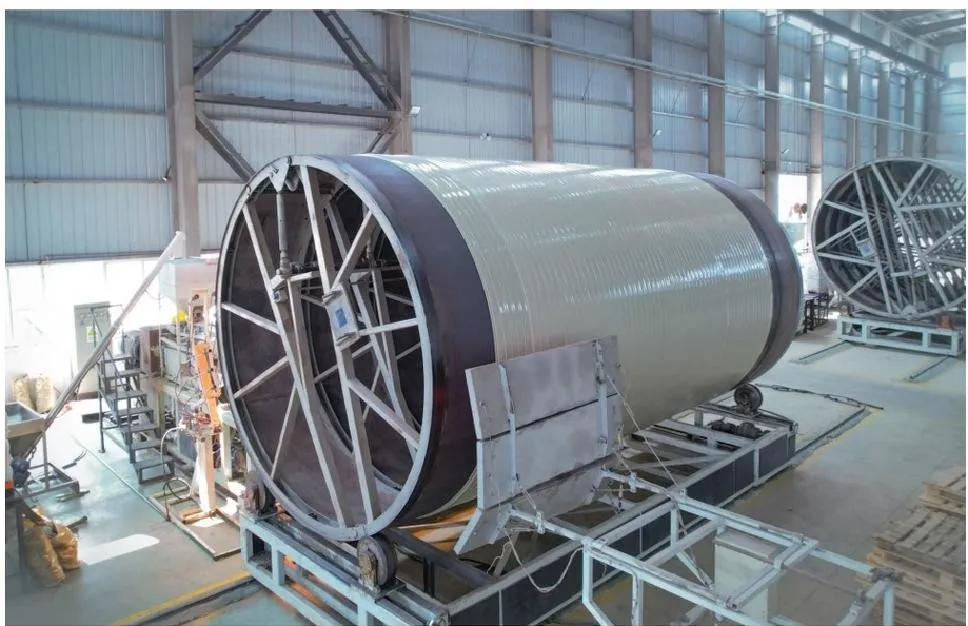
These components work in unison to deliver high absorption efficiency while ensuring safety, ease of maintenance, and long service life. Material selection—such as FRP, HDPE, or PPH—is critical in environments involving strong acids or elevated temperatures.
Types
Scrubber towers are available in several configurations, each optimized for specific industrial scenarios:
1. Packed Bed Scrubber
Utilizes a packed column filled with structured or random packing materials. Ideal for acid gas removal and chemical absorption processes.
2. Spray Tower
Relies on high-pressure spray nozzles to disperse liquid droplets into the gas stream. Simple and effective for large gas volumes with lower contamination levels.
3. Venturi Scrubber
Incorporates a constriction (Venturi throat) to accelerate gas velocity and mix with liquid droplets. Effective for particulate removal and sticky or viscous gases.
4. Tray Tower
Uses perforated trays to hold liquid at different stages. Offers high gas-liquid contact but is more suitable for low to moderate flow applications.
5. Dry Scrubber
Uses dry sorbents like activated carbon or lime without water. Common in applications where water usage is limited or where certain chemicals react with moisture.
Choosing the right type of scrubber tower depends on gas composition, emission volume, required removal efficiency, and cost constraints.
Design Calculation
Proper design of a scrubber tower involves several engineering calculations to ensure optimal performance and compliance. Key parameters include:
Gas Flow Rate (m³/h): Determines the size of the tower and blower requirements.
Liquid-to-Gas Ratio (L/G): Affects absorption efficiency; typically ranges from 0.5 to 5.
Mass Transfer Coefficient: Dependent on fluid properties, flow dynamics, and packing type.
Pressure Drop: Must be minimized to reduce energy consumption; excessive pressure drop indicates clogging or poor design.
Tower Diameter and Height: Calculated based on residence time and surface area needed for absorption.
pH Neutralization Requirements: Based on the type and volume of pollutants, buffer capacity of the liquid must be matched accordingly.
Simulation tools like Aspen Plus or empirical design charts are often used by engineers to optimize tower performance. Proper design also includes safety margins and corrosion allowances.
Packing Media
Packing media is the heart of a packed bed scrubber, as it significantly influences mass transfer efficiency. The most common types include:
Pall Rings: Provide high void space and low-pressure drop; widely used for gas absorption.
Saddles (Cascade or Berl): Ceramic or plastic materials shaped for maximum contact area.
Structured Packing: Regularly arranged sheets or grids designed for precise flow control and high surface area per unit volume.
Material selection depends on chemical compatibility, temperature tolerance, and mechanical strength. PPH and HDPE are ideal for corrosive environments, while ceramic is suitable for high-temperature gas.
Modern advancements have introduced self-cleaning or low-fouling designs that reduce maintenance needs and extend operating cycles. Selecting the right packing media directly impacts efficiency, operating cost, and system longevity.
Important Measurements
Effective operation of a scrubber tower requires real-time monitoring and adjustment of key parameters:
pH Level: Must be maintained for chemical reactions (e.g., acidic vs. alkaline gas absorption).
Pressure Drop: Sudden increases can signal fouling or blockages.
Flow Rates: Both gas and liquid flow must be controlled for stable operation.
Temperature: Affects solubility and reaction kinetics; must be kept within design limits.
Mist Carryover: Monitored through demister performance or outlet gas humidity.
TSS (Total Suspended Solids): Monitors the loading of particulates in the liquid.
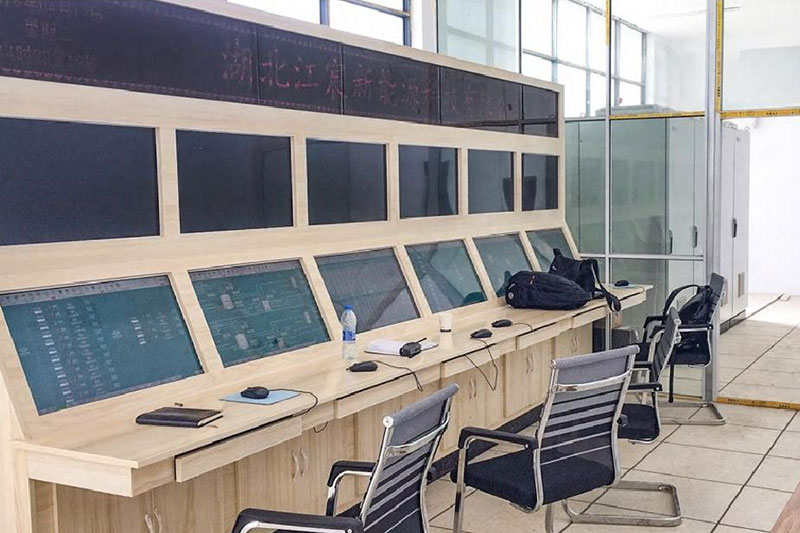
Integration with automated control systems allows for optimized performance, reduced labor, and improved safety.
Summary
Scrubber towers offer reliable, scalable, and environmentally essential solutions for industrial gas purification across a wide range of applications.
 English
  Deutsch
  Français
  Português
  Español
  Italiano