
The rapid proliferation of electric vehicles and portable electronic devices has significantly increased the global demand for lithium-ion batteries. With this surge comes the pressing need to manage the end-of-life disposal and recycling of these batteries. Traditional methods often fall short due to inefficiencies, high operational costs, and environmental drawbacks. Solvent extraction emerges as a transformative approach, offering an efficient, cost-effective, and eco-friendly solution for recovering valuable metals from spent lithium batteries.
Table of Contents
The Role and Benefits of Solvent Extraction
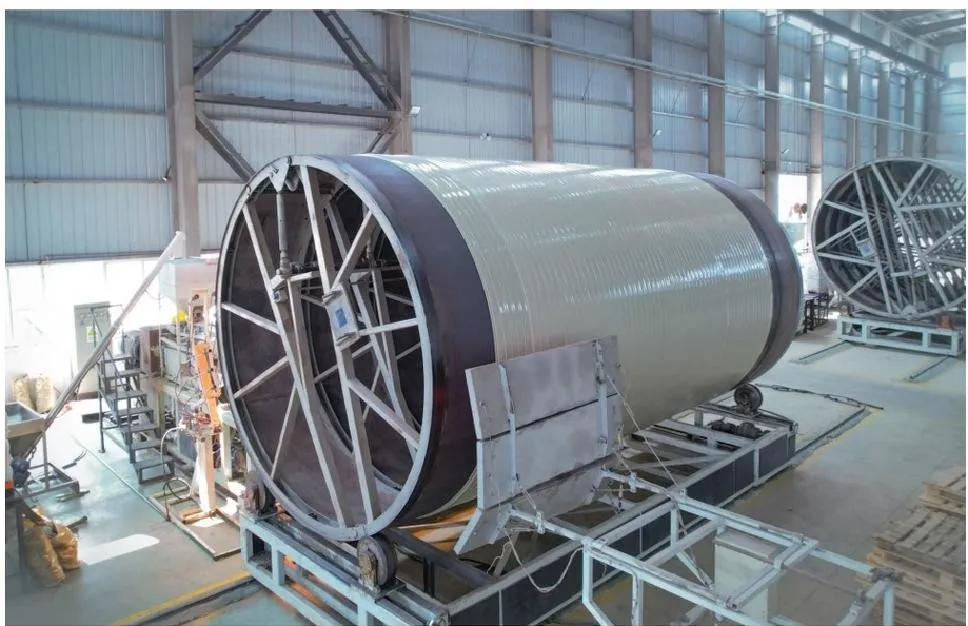
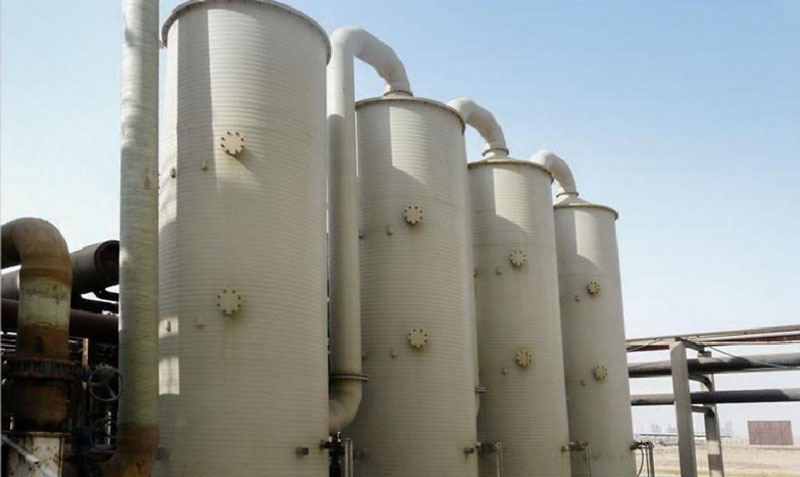
Solvent extraction is a key hydrometallurgical process that enables the selective separation and recovery of high-value metals from lithium-ion batteries. At the forefront of technological application, TYIC integrates this method into its custom-designed extraction systems to optimize performance and sustainability.
Core Advantages Include:
-
Exceptional Recovery Rates: The technology allows for recovery of more than 90% of lithium, cobalt, nickel, and manganese, with purities exceeding 95%. This maximizes resource utilization from spent batteries.
-
High Selectivity: Solvent extraction offers precise separation of specific metal ions, a critical factor for producing high-purity end products suitable for reuse in battery manufacturing.
-
Economic Efficiency: Compared to pyrometallurgical alternatives, this method consumes less energy and has lower operational costs, making it ideal for industrial-scale recycling.
-
Closed-Loop Compatibility: The process supports closed-loop recycling, reducing dependency on virgin raw materials and enhancing circular economy initiatives in the battery sector.
Process Overview of Lithium Solvent Extraction
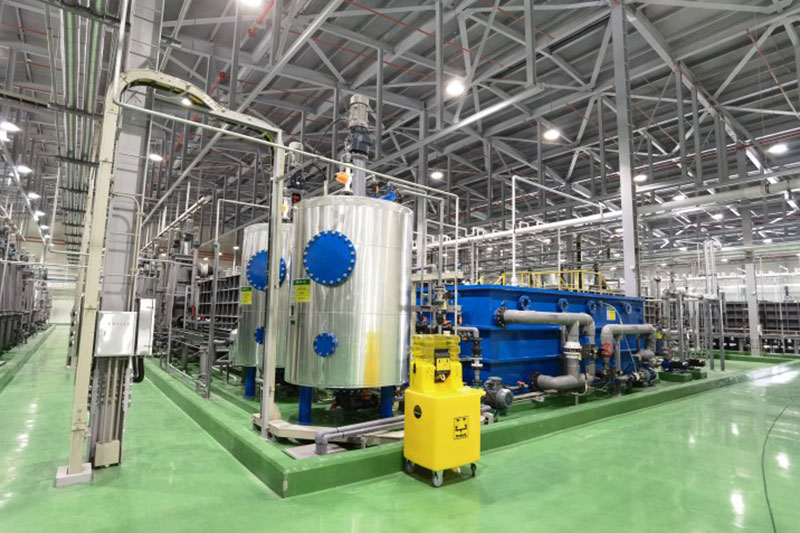
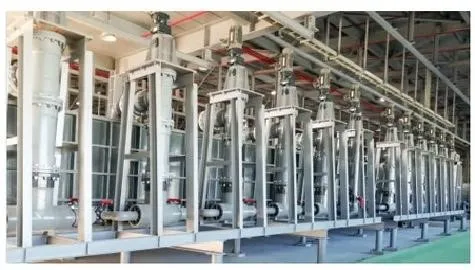
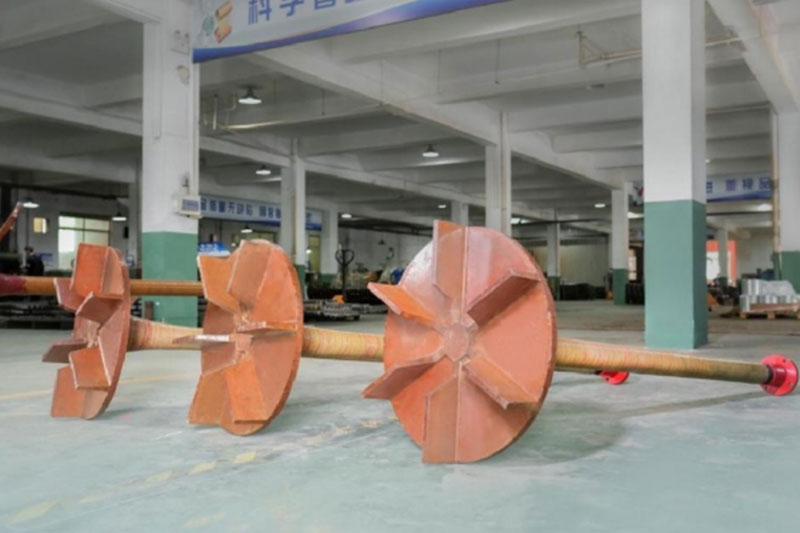
TYIC’s expertise in chemical engineering is reflected in its engineering of modular solvent extraction systems designed for black mass processing. The standard workflow involves:
-
Leaching: Spent battery materials are dissolved using acid leaching to transfer metals into solution.
-
Purification: The leachate is refined to remove impurities, isolating target metals for efficient downstream recovery.
-
Extraction: The solution is contacted with an organic solvent containing selective extractants. Lithium and other metals are selectively transferred to the organic phase.
-
Phase Separation: Advanced separation systems, including TYIC’s integrated MVR evaporators, isolate the loaded organic phase while enabling solvent recovery and recycling—reducing both cost and environmental load.
-
Stripping: The extractant releases lithium into a concentrated aqueous phase upon chemical or pH adjustment.
-
Final Recovery: Lithium is precipitated or otherwise recovered to produce a purified product ready for reuse.
This method ensures high-purity recovery and operational flexibility, operating under mild conditions with tunable process parameters to meet varied industrial needs.
Hydrometallurgy vs. Pyrometallurgy: Why Solvent Extraction Leads
Solvent extraction is a component of hydrometallurgy, which outperforms pyrometallurgy in several dimensions:
-
Higher Metal Yields: Hydrometallurgy enables recovery of lithium and other non-ferrous metals typically lost in high-temperature processes.
-
Lower Energy Demand: It operates at significantly lower temperatures, reducing energy use and carbon emissions.
-
Cleaner Process: Emissions of greenhouse gases and hazardous pollutants are substantially lower compared to pyrometallurgical techniques.
-
Product Purity: Resulting metal products are of higher purity, suitable for direct use in battery production.
-
Process Flexibility: Easily adaptable to different battery chemistries, hydrometallurgy offers recyclers enhanced flexibility.
Challenges such as sulfate waste and water usage exist, but advances in water recycling and waste management continue to mitigate these drawbacks. Many modern recyclers now employ hybrid systems combining both hydrometallurgical and pyrometallurgical elements to maximize recovery.
Future Prospects
Ongoing research focuses on developing greener and more selective extractants, particularly for lithium, and enhancing the efficiency of solvent recycling systems. TYIC continues to invest in optimizing its extraction equipment to support sustainable and cost-effective recovery solutions.
Conclusion
Solvent extraction represents a pivotal technology in the recycling of lithium-ion batteries. Through its superior recovery efficiency, environmental advantages, and integration into scalable systems, it is enabling industries to build a more sustainable battery supply chain. TYIC remains committed to advancing this field through innovative equipment design, process optimization, and turnkey solutions tailored to the demands of the global new energy market.
 English
  Deutsch
  Français
  Português
  Español
  Italiano