
Escalating battery waste threatens resources and compliance. Environmental damage and supply instability follow. Advanced lithium-ion battery recycling provides a sustainable, circular solution.
Lithium-ion battery recycling plays a critical role in sustainability by recovering valuable metals such as lithium, nickel, cobalt, and manganese from spent batteries. Through advanced extraction and separation technologies, recycled materials are reintroduced into battery production, reducing reliance on virgin mining, lowering carbon emissions, and supporting a circular economy across energy and environmental industries.
Understanding how efficient recycling systems drive long-term environmental and economic value is essential for forward-looking enterprises.
Table of Contents
🔋 Growing Demand for Sustainable Battery Solutions
▶ The rapid expansion of electric vehicles (EVs), energy storage systems (ESS), and portable electronics has dramatically increased global demand for lithium-ion batteries.
▶ As production scales up, the volume of end-of-life batteries rises accordingly.
Without effective recycling systems, these batteries risk becoming a significant environmental burden due to hazardous components and resource-intensive raw materials.
⚠ Failure to implement structured recycling processes may result in:
-
Regulatory penalties
-
Supply chain disruptions
-
Reputational risks
-
Increased operational uncertainty
Lithium-ion battery recycling transforms this challenge into an opportunity by converting waste into high-value secondary resources.
♻️ Environmental Impact Reduction Through Closed-Loop Recycling
Mining and refining virgin lithium, cobalt, and nickel consume substantial energy and generate high carbon emissions. In contrast, recycling processes significantly reduce environmental impact by recovering metals from used batteries and reintegrating them into production cycles.
✔ Closed-loop recycling advantages include:
-
Reduced landfill waste
-
Prevention of soil and groundwater contamination
-
Lower carbon emissions
-
Improved material utilization rates
By implementing advanced extraction technologies, valuable metals are selectively separated with high recovery efficiency, ensuring maximum resource optimization.
For enterprises pursuing ESG commitments and carbon neutrality targets, recycling systems directly support measurable sustainability outcomes. Reduced dependence on primary mining also mitigates geopolitical and price volatility risks.
🔄 Resource Efficiency and Circular Economy Integration
A circular economy emphasizes keeping materials in continuous use. Lithium-ion battery recycling embodies this principle by extending the lifecycle of critical metals.
Instead of following a linear model — produce → use → dispose — recycled metals re-enter battery-grade production streams.
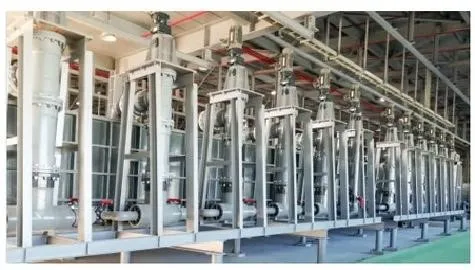
🔹 High-efficiency separation equipment
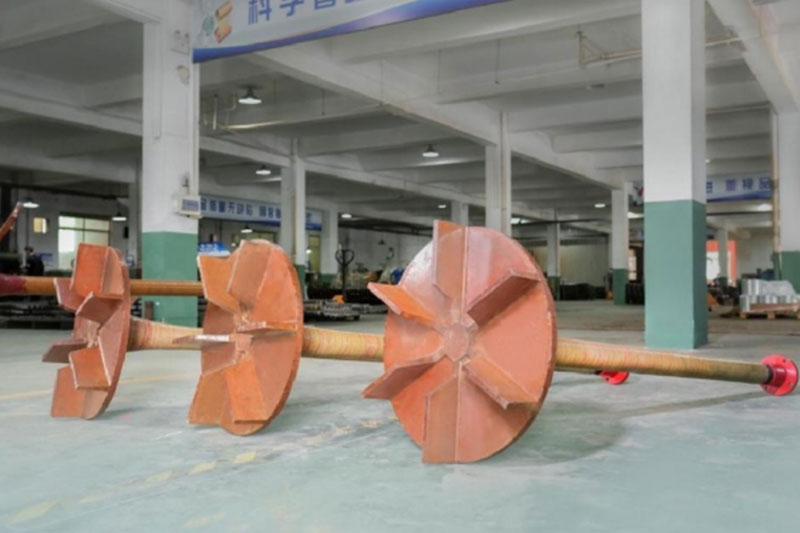
🔹 Optimized mixing systems
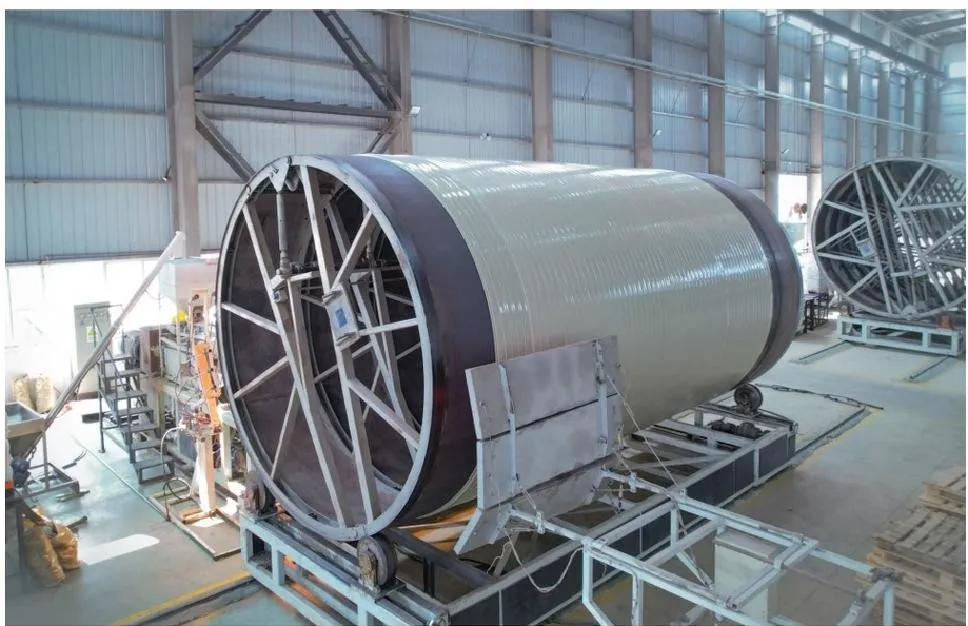
🔹 Corrosion-resistant storage infrastructure
These components ensure stable and safe recycling operations. Precision in process engineering directly influences recovery rates, material purity, and downstream product performance.
Industrial-scale recycling facilities require engineered systems capable of handling complex chemical environments while maintaining operational reliability. Custom-designed extraction equipment and environmental protection systems ensure compliance with international quality and environmental standards.
🌍 Supporting Supply Chain Stability in the Battery Industry
Global battery supply chains are increasingly complex and sensitive to raw material fluctuations.
Manufacturers rely on stable supplies of lithium, nickel, cobalt, and manganese to maintain production continuity. Disruptions in mining regions or price volatility can significantly impact profitability and delivery schedules.
♻ Recycling provides a secondary and localized source of strategic metals, which offers:
-
Enhanced supply resilience
-
Reduced dependency on overseas mining
-
Shorter procurement cycles
-
Improved material traceability
For battery material producers and recycling enterprises, integrated recovery systems strengthen long-term supplier partnerships and align with sustainable sourcing expectations from automotive and energy storage sectors.
⚙️ Technological Innovation in Recycling Processes
Efficient lithium-ion battery recycling depends on continuous technological advancement.
Effective separation of multi-metal components requires precise control of:
• Chemical reaction parameters
• Mixing intensity
• Phase transfer efficiency
• Temperature stability
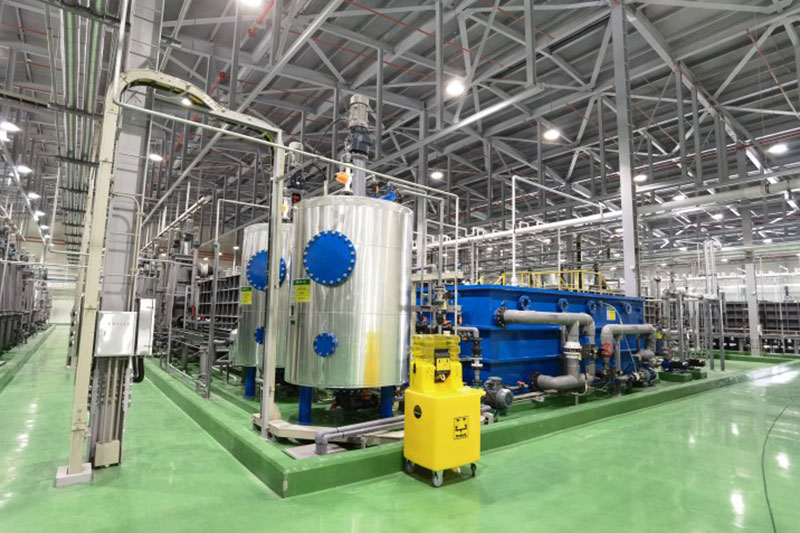
Advanced tubular mixing extractors enhance mass transfer rates, while optimized oil removal systems improve separation efficiency. High-performance corrosion-resistant tanks and wastewater treatment systems ensure safe handling of acidic and alkaline solutions generated during hydrometallurgical processes.
Comprehensive Engineering, Procurement, and Construction (EPC) integration enables seamless coordination of process design, equipment manufacturing, and installation. Tailored configurations maximize operational performance while minimizing energy consumption and secondary pollution.
Continuous innovation directly improves recovery yields, operational cost efficiency, and environmental compliance levels.
💰 Economic Value Creation Through Sustainable Practices
Beyond environmental protection, lithium-ion battery recycling generates tangible economic returns.
Recovered metals can be reprocessed into battery-grade materials at competitive costs compared to virgin resources. As global raw material prices fluctuate, recycled inputs provide:
✔ Cost stability
✔ Margin protection
✔ Long-term pricing predictability
Investment in high-efficiency recycling infrastructure enhances corporate competitiveness. Companies demonstrating technological leadership and sustainable operations gain advantages in securing long-term contracts with EV manufacturers and energy storage providers.
Recycling operations also contribute to broader economic sustainability by supporting engineering, manufacturing, and environmental management sectors.
📜 Compliance and Global Environmental Standards
International environmental regulations continue to tighten across major industrial markets.
Compliance extends beyond emissions control to include:
-
Wastewater treatment
-
Waste gas management
-
Solid waste handling
-
Safe chemical storage
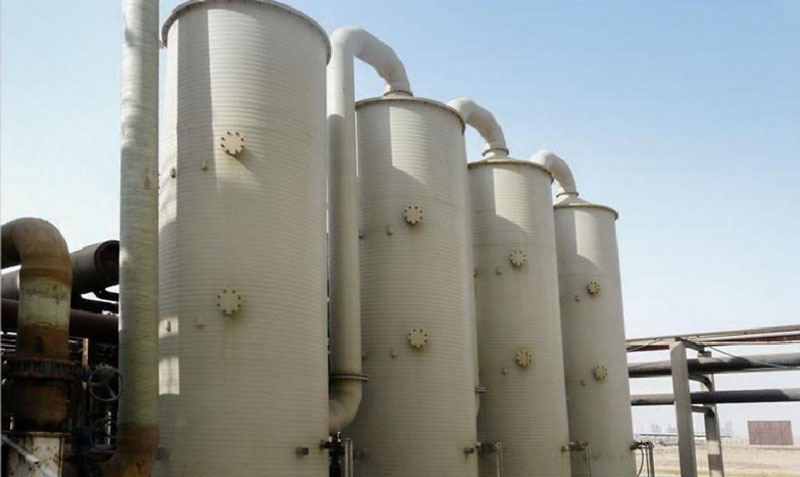
Integrated environmental protection systems — including corrosion-resistant tanks and advanced treatment units — ensure operational safety and regulatory adherence.
Adhering to global environmental standards strengthens market access and positions enterprises as reliable, sustainability-focused partners in the evolving battery ecosystem.
🚀 Driving the Future of Sustainable Energy
The transition toward electrification and renewable energy depends on responsible battery lifecycle management.
Lithium-ion battery recycling closes the loop between consumption and regeneration, aligning industrial growth with environmental responsibility and resource security.
Sustainable recycling ensures resource security, environmental protection, and long-term industrial resilience.
 English
  Deutsch
  Français
  Português
  Español
  Italiano