
Toxic emissions in high-tech manufacturing can cause severe environmental damage, regulatory penalties, and reputational risks—advanced waste gas treatment equipment provides the reliable solution industries urgently need.
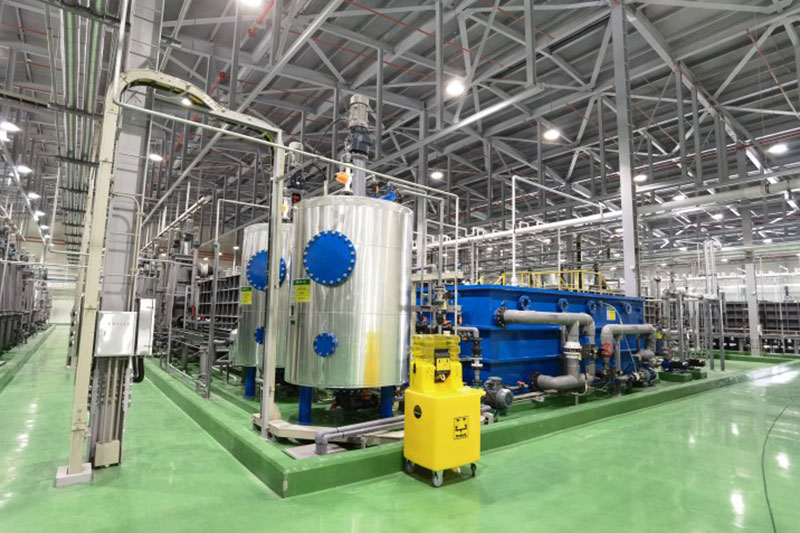
Waste gas treatment systems for high-tech manufacturing include burn-wet, plasma-wet, wet scrubber, burn-dry, catalytic, and dust separation technologies, ensuring safe, efficient, and compliant gas emission control.
Let’s explore how different systems secure efficiency and compliance in sensitive, high-stakes industries, with a focus on innovations by TYIC NEW ENERGY.
Table of Contents
Process- And Product Portfolio For Waste Gas Treatment At Point-Of-Use
High-tech manufacturing industries—such as semiconductor production, photovoltaic panel fabrication, and advanced battery recycling—generate complex waste gases containing hazardous chemicals, particulate matter, and volatile organic compounds (VOCs). Managing these emissions at the point-of-use is critical to minimizing environmental impact and protecting workers’ health.
A diverse product portfolio of waste gas treatment equipment is available to target different pollutants. Each system is tailored to specific processes: some focus on neutralizing corrosive acids, others on capturing ultrafine particulates or oxidizing harmful hydrocarbons.
TYIC NEW ENERGY, with its extensive EPC experience and engineering background, designs modular, customizable systems that meet the strict requirements of industries such as lithium battery recycling and chemical manufacturing. For instance, its projects with clients like Ganfeng Lithium and ECOPRO demonstrate how advanced designs can both reduce emissions and optimize plant efficiency.
This modular approach allows scaling capacity according to production volume, ensuring flexibility as industries expand. As regulatory frameworks tighten worldwide, investment in point-of-use waste gas treatment systems is no longer optional—it is essential for sustainable growth and global competitiveness.
Burn-Wet Systems
Burn-wet systems combine combustion and wet scrubbing technologies, making them particularly effective against high concentrations of flammable or toxic organic compounds. In the first stage, harmful gases are oxidized at high temperatures in a controlled combustion chamber. This process decomposes hazardous compounds into less harmful components such as CO₂ and water vapor.
Following combustion, the exhaust gases pass through a wet scrubbing stage where soluble byproducts—including acidic gases like HCl or HF—are absorbed into a liquid solution.
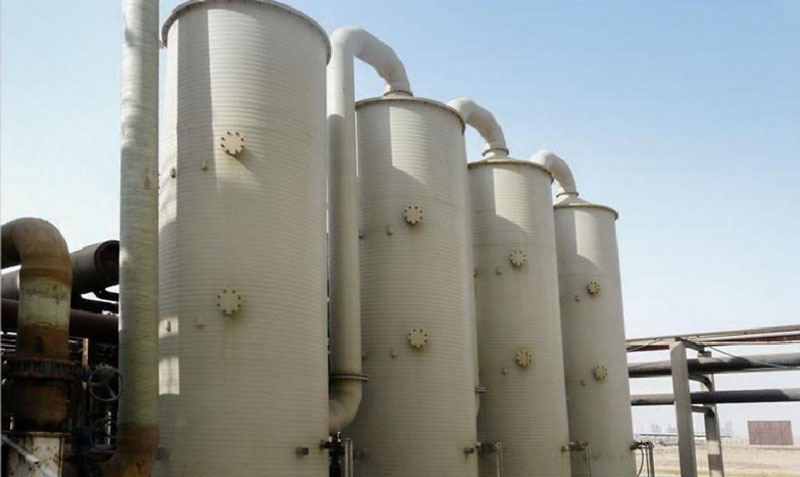
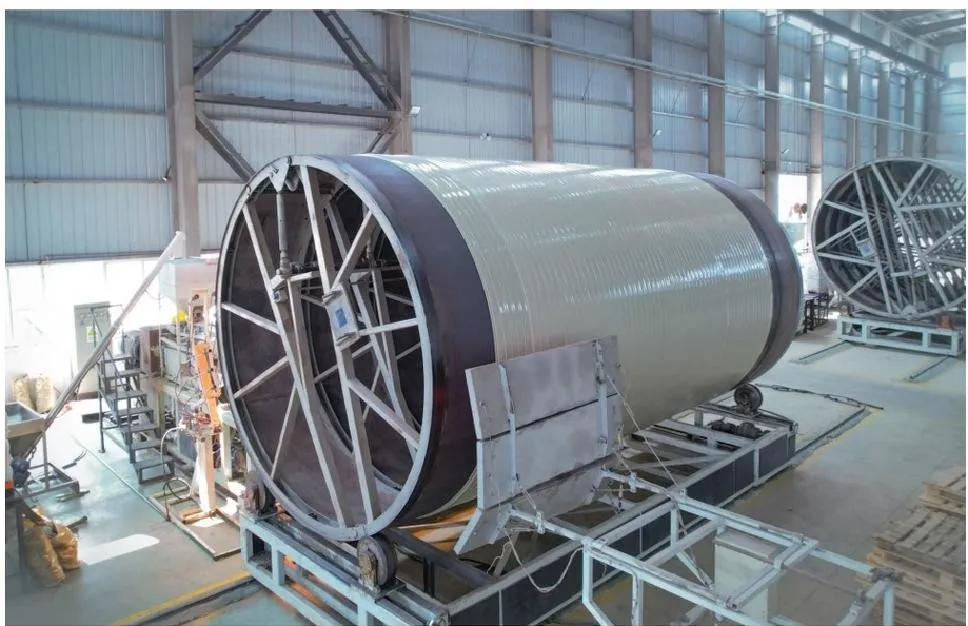
TYIC NEW ENERGY integrates large-scale spiral-wound PPH tanks as scrubber units, ensuring high chemical resistance and seamless structure that minimizes leakage risk. These tanks, designed with gradient thickness and UV-stabilized materials, provide a service life of up to 30 years, significantly reducing maintenance costs.
Plasma-Wet Systems
Plasma-wet systems are advanced waste gas treatment solutions that harness non-thermal plasma technology to ionize and decompose hazardous gases. High-energy plasma generates reactive species—such as radicals and ions—that break down complex pollutants into simpler molecules.
Once treated by plasma, the gas stream enters a wet scrubber stage to remove acidic and soluble compounds. This hybrid design provides excellent efficiency against perfluorinated compounds (PFCs), nitrogen oxides, and other chemically stable pollutants.
TYIC NEW ENERGY has pioneered integrated plasma-wet system layouts, coupling high-energy plasma reactors with precision-engineered wet scrubbers. These systems are particularly effective for semiconductor etching and flat-panel display manufacturing. Their advantage lies in maintaining high removal efficiency while lowering energy consumption, a key concern for global clients.
Wet Systems (Scrubber)
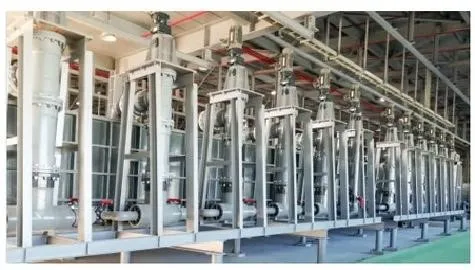
Wet scrubbers are among the most widely used waste gas treatment equipment across industries. Their operating principle is straightforward: contaminated gas is brought into contact with a liquid (typically water or an alkaline solution) that absorbs or reacts with the pollutants.
Wet systems are highly effective for removing:
-
Acidic gases (HCl, SO₂, HF)
-
Ammonia and other basic vapors
-
Fine particulate matter
TYIC NEW ENERGY specializes in the design of packed bed scrubbers and venturi systems, using corrosion-resistant PPH/HDPE materials that withstand harsh chemical environments. Through ISO 9001 and EN 12573 certifications, the company guarantees product reliability and compliance with international standards.
Burn-Dry Systems (Pyrolysis)
Burn-dry systems, also known as pyrolysis-based waste gas treatment equipment, utilize high-temperature combustion to break down pollutants into harmless components. Unlike burn-wet systems, they do not rely on a scrubbing stage.
This technology is best suited for organic gases and volatile hydrocarbons, particularly when water-soluble byproducts are not a primary concern.
TYIC NEW ENERGY incorporates energy recovery units into burn-dry systems, helping industries lower their operational costs by converting waste heat into usable energy for other plant processes. This approach has proven valuable for chemical manufacturing clients aiming to enhance sustainability while reducing carbon footprints.
Catalytic Systems
Catalytic waste gas treatment systems use catalysts—typically precious metals or metal oxides—to accelerate the oxidation of harmful compounds at lower temperatures than conventional thermal combustion.
By lowering the activation energy required for oxidation, catalytic systems consume less fuel and reduce CO₂ emissions.
TYIC NEW ENERGY’s catalytic systems are designed with modular reactor beds, allowing easy replacement and maintenance without long downtimes. These are widely adopted by electronics manufacturers, who demand consistent VOC treatment with minimal disruption to production lines.
Particle Separator — Dust Systems
High-tech manufacturing often generates particulate emissions alongside chemical gases. Particle separator systems, such as cyclones, bag filters, and electrostatic precipitators, are used to remove dust and fine particles from exhaust streams.
TYIC NEW ENERGY integrates rotary and bag filter systems with its waste gas treatment lines to ensure both particulates and chemical pollutants are effectively managed. This dual approach prevents equipment corrosion, extends system life, and guarantees environmental compliance.
Waste Gas Treatment With Rotary Dust Collector
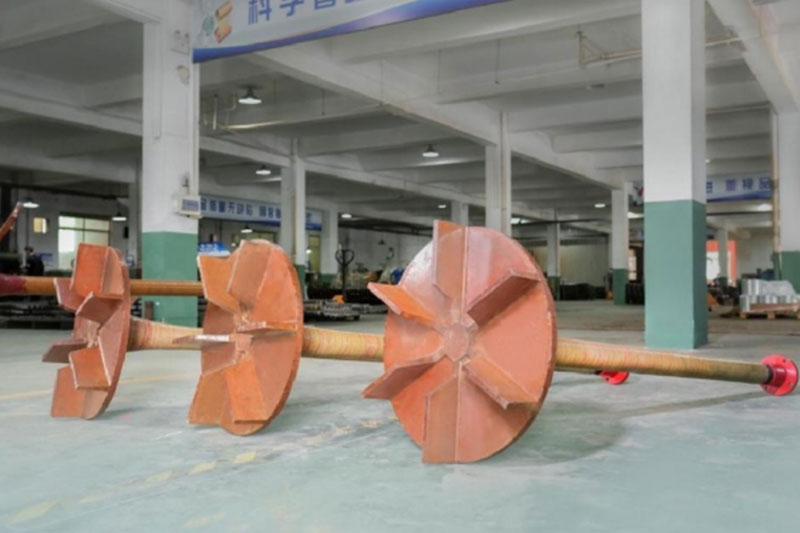
Rotary dust collectors are specialized waste gas treatment equipment that provide continuous dust removal in high-volume gas flows.
TYIC NEW ENERGY has delivered rotary dust collector projects for lithium battery recycling plants, where sticky and high-moisture dusts often cause operational challenges. By adopting a robust rotary mechanism, the company ensures stable operations and continuous production without clogging issues, enhancing client competitiveness.
Summary
TYIC NEW ENERGY’s waste gas treatment equipment combines advanced technology, durable materials, and industry-proven design to deliver safe, efficient, and sustainable emission control for high-tech manufacturing worldwide.
 English
  Deutsch
  Français
  Português
  Español
  Italiano