
Discarded lithium-ion batteries create pollution risks; unmanaged waste threatens soil and water. Recycling prevents contamination and recovers critical metals efficiently.
Recycling lithium-ion batteries delivers significant environmental, economic, and strategic benefits. It reduces hazardous waste, prevents soil and groundwater contamination, and decreases reliance on primary mining of lithium, nickel, cobalt, and manganese. By recovering valuable metals through advanced extraction and separation technologies, manufacturers can lower raw material costs, stabilize supply chains, and support a circular economy for electric vehicles and energy storage systems.
Understanding these benefits clarifies why advanced recycling systems are essential for sustainable industry growth.
Table of Contents
1️⃣ Environmental Protection and Pollution Reduction
The rapid expansion of electric vehicles (EVs), energy storage systems (ESS), and portable electronics has sharply increased global lithium-ion battery consumption. However, without structured recycling systems, end-of-life batteries may release toxic electrolytes and heavy metals, creating long-term environmental hazards.
Spent batteries contain lithium, cobalt, nickel, and manganese. If improperly disposed of, these substances can leach into soil and groundwater, leading to contamination and regulatory violations.
Through controlled dismantling, mechanical pretreatment, and chemical extraction processes, recycling facilities:
-
✅ Prevent hazardous leakage
-
✅ Minimize landfill pressure
-
✅ Reduce environmental liability risks
-
✅ Support ESG compliance objectives
As environmental regulations tighten globally, effective recycling is no longer optional—it is a strategic necessity.
2️⃣ Resource Conservation and Reduced Mining Dependence
Mining primary lithium, nickel, and cobalt requires:
-
High energy consumption
-
Extensive land use
-
Complex refining processes
-
Significant carbon emissions
Recycling provides a secondary resource stream by recovering high-purity metal compounds that can be reused in cathode production. This closed-loop approach:
-
🔄 Decreases reliance on virgin ore
-
🔄 Reduces carbon intensity
-
🔄 Conserves natural resources
-
🔄 Enhances sustainability metrics
By integrating recycled materials into production, manufacturers strengthen supply continuity while lowering environmental impact.
3️⃣ Economic Value Recovery
Lithium-ion batteries contain high-value metals, especially nickel and cobalt, which account for a large share of battery production costs. Recovering these metals through hydrometallurgical and solvent extraction technologies significantly improves economic returns.
Key financial advantages include:
-
💰 Lower raw material procurement costs
-
💰 Reduced exposure to commodity price volatility
-
💰 Improved operational margins
-
💰 Enhanced asset utilization
Efficient extraction systems maximize recovery rates, transforming end-of-life batteries from waste liabilities into valuable industrial resources.
4️⃣ Strengthened Supply Chain Security
Global supply chains for critical minerals are vulnerable to:
-
Geopolitical tensions
-
Export restrictions
-
Transportation disruptions
-
Market fluctuations
Battery recycling establishes a localized and stable supply source. By recovering lithium, nickel, and cobalt domestically or regionally, companies can reduce dependency on imported raw materials.
This improved resilience supports:
-
📦 Long-term production planning
-
📦 Reduced procurement uncertainty
-
📦 Enhanced industrial competitiveness
Supply chain security is increasingly becoming a decisive factor in strategic sourcing decisions.
5️⃣ Regulatory Compliance and Market Competitiveness
Governments in Europe, North America, and Asia are implementing extended producer responsibility (EPR) systems and mandatory recycling targets. Companies that invest in advanced recycling infrastructure can:
-
✔ Meet international environmental standards
-
✔ Avoid regulatory penalties
-
✔ Strengthen brand reputation
-
✔ Improve qualification for global contracts
Sustainability is now a core evaluation criterion for international buyers. Recycling capability enhances corporate credibility in global energy and environmental markets.
6️⃣ Carbon Footprint Reduction
Producing metals from recycled battery materials typically requires less energy than extracting and refining virgin ores. Lower energy consumption translates directly into reduced greenhouse gas emissions.
By incorporating recycled materials into battery manufacturing, companies can:
-
🌱 Lower Scope 3 emissions
-
🌱 Improve carbon accounting performance
-
🌱 Support carbon neutrality commitments
-
🌱 Align with global decarbonization goals
This environmental advantage strengthens long-term sustainability strategies across the new energy sector.
7️⃣ Technological Advancement and Process Innovation
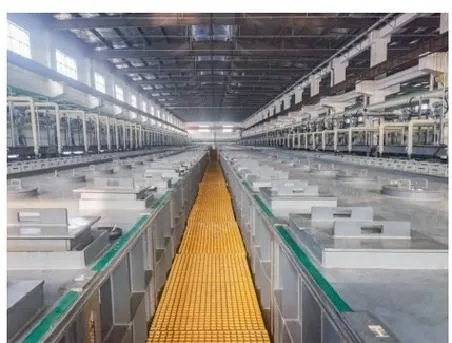
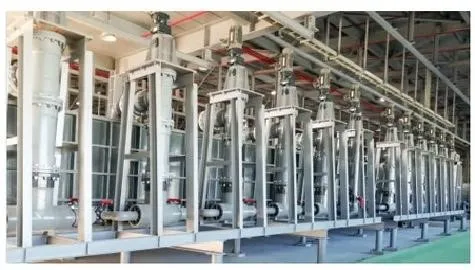
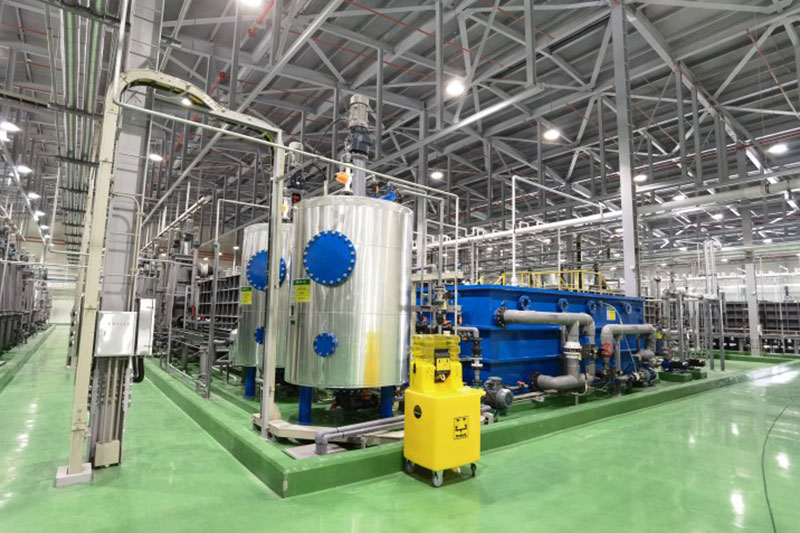
Modern recycling facilities integrate:
-
Mechanical crushing and sorting
-
Selective leaching systems
-
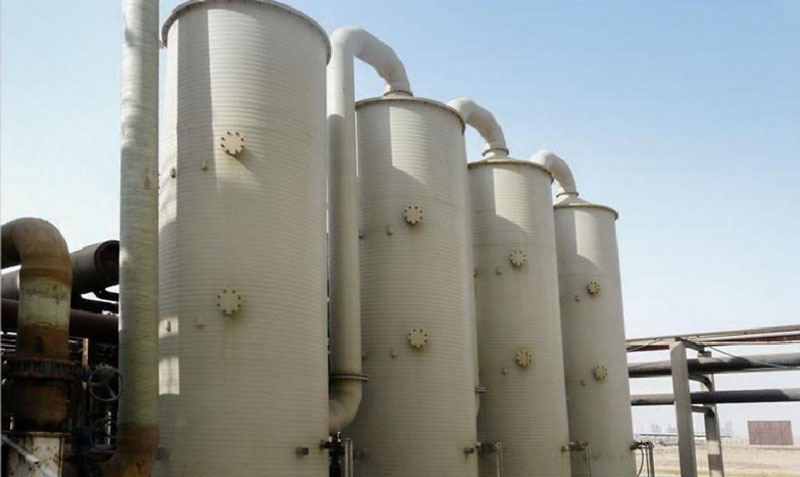
High-efficiency solvent extraction
-
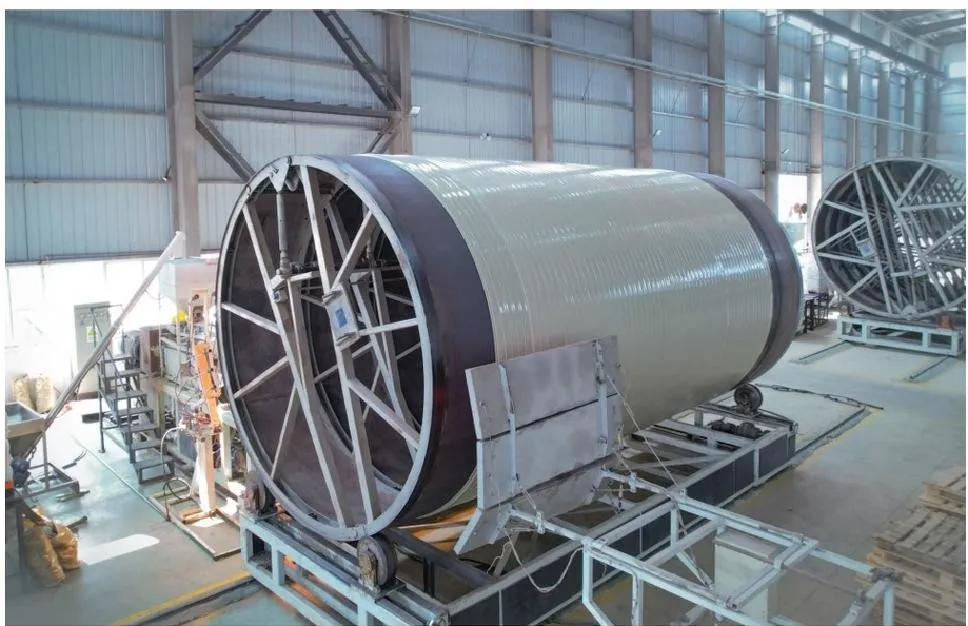
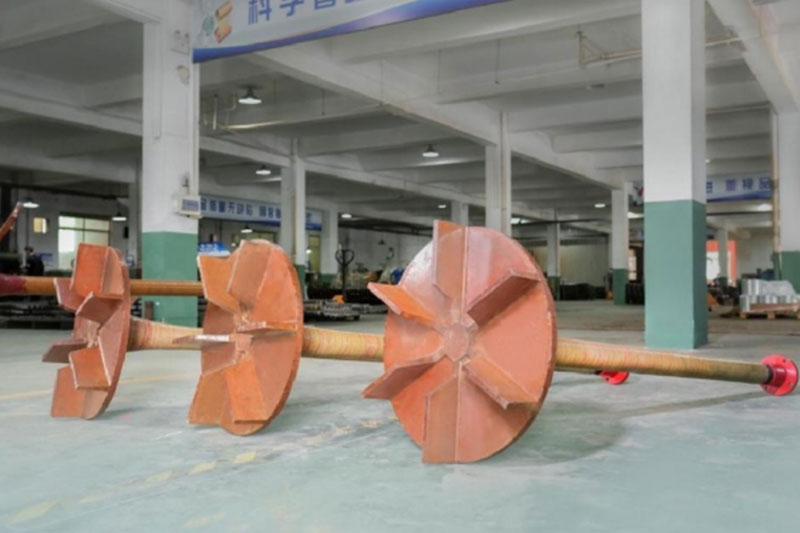
Corrosion-resistant process equipment
Continuous optimization enhances:
-
⚙ Higher metal recovery rates
-
⚙ Reduced chemical consumption
-
⚙ Improved operational stability
-
⚙ Safer working environments
Advanced engineering and corrosion-resistant materials ensure long-term durability when handling aggressive chemical solutions, improving lifecycle performance of recycling infrastructure.
8️⃣ Circular Economy Development
Lithium-ion battery recycling transforms end-of-life products into reusable resources. Instead of generating industrial waste, the recycling process establishes a closed-loop material cycle.
This circular model:
-
🔁 Extends resource lifespan
-
🔁 Reduces industrial waste
-
🔁 Promotes sustainable manufacturing
-
🔁 Encourages collaboration across the battery value chain
A circular economy not only improves environmental performance but also enhances long-term industrial sustainability.
Conclusion
Recycling lithium-ion batteries protects the environment, secures resources, reduces costs, and strengthens sustainable industrial development worldwide.
 English
  Deutsch
  Français
  Português
  Español
  Italiano