
Industrial operations often generate complex waste gas streams — leading to severe environmental harm, regulatory penalties, and community health risks if unmanaged. Effective waste gas treatment is critical to ensure compliance and protect air quality.
Waste gas treatment methods include physical, chemical, and biological techniques designed to capture, neutralize, or convert pollutants into harmless substances. These systems are essential for industries facing strict emissions regulations and aim to improve workplace safety and environmental performance. TYIC provides advanced, customizable waste gas treatment solutions tailored to industrial needs.
➡️ Continue reading to explore key technologies and best practices for comprehensive waste gas management.
Table of Contents
▌What Is Waste Gas and Why Treat It?
Industrial waste gas refers to airborne emissions released during manufacturing, chemical reactions, combustion, and other industrial processes. These emissions often contain harmful pollutants such as:
-
✅ Volatile Organic Compounds (VOCs)
-
✅ Sulfur Oxides (SOx)
-
✅ Nitrogen Oxides (NOx)
-
✅ Particulate Matter (PM)
-
✅ Odorous Compounds
⚠️ Without proper treatment, these pollutants contribute to air pollution, health hazards, and legal penalties.
TYIC (Hangzhou Tianyicheng New Energy Technology Co., Ltd.) delivers engineered waste gas treatment systems that combine advanced materials, customized design, and EPC services — ensuring sustainable emissions control across sectors such as:
-
Lithium battery recycling
-
Non-ferrous metal processing
-
Chemical manufacturing
-
Environmental protection industries
▌Main Waste Gas Treatment Methods
1. ★ Adsorption Systems
Adsorption is a physical process where pollutants adhere to the surface of solid media.
-
Activated Carbon Adsorbers – Ideal for removing VOCs and odors
-
Regenerative Adsorption Units – Allow media reuse, reducing waste and operating costs
✔️ TYIC customizes adsorption systems to match gas composition, ensuring optimal efficiency.
2. ★ Absorption Techniques
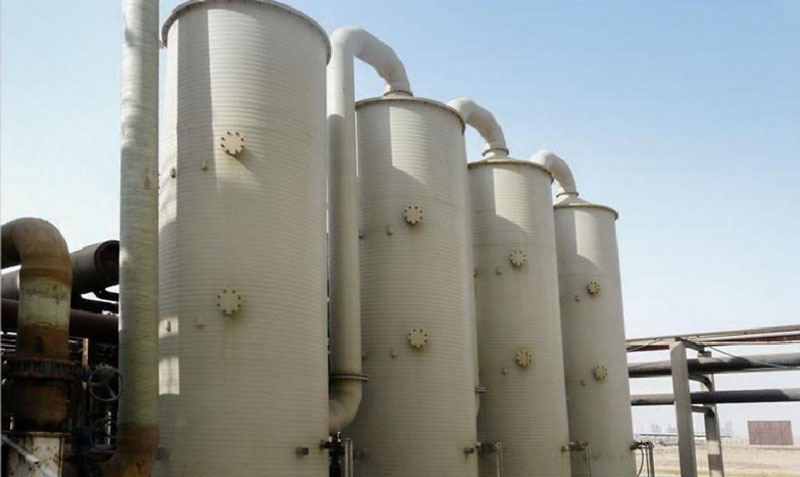
Absorption involves transferring pollutants into a liquid medium using scrubbers.
-
Wet Scrubbers – Effective for SOx, ammonia, and high-moisture gases
-
Dry Scrubbers – Use solid reagents to neutralize acid gases, minimizing wastewater
✔️ TYIC’s systems are tailored for process conditions, maximizing removal and minimizing footprint.
3. ★ Oxidation (Thermal & Catalytic)
Oxidation transforms harmful gases into benign compounds via controlled reactions.
-
Thermal Oxidizers – Burn off VOCs and HAPs at high temperatures
-
Catalytic Oxidizers – Lower temperature and energy needs using catalysts
✔️ TYIC integrates energy recovery to cut fuel use and reduce emissions.
4. ★ Biological Treatment
This method uses microbes to degrade organic pollutants in air streams.
-
Biofilters – Suitable for low-concentration VOCs and odorous gases
-
Biotrickling Filters – Handle soluble pollutants with improved control
✔️ TYIC provides optimized media and microbial environments for long-term performance.
5. ★ Particulate Removal Systems
Control technologies for dust and particles:
-
Cyclone Separators – Remove coarse particles via centrifugal force
-
Baghouse Filters – Capture fine particulates with fabric filters
-
Electrostatic Precipitators – Use electric charges to collect tiny particles
✔️ TYIC’s designs are durable and easy to maintain for demanding industrial conditions.
6. ★ Wet Electrostatic Precipitators (WESP)
WESP units use electricity and liquid scrubbing to remove submicron particles — effective in fine particulate and acid mist control.
✔️ TYIC’s WESP solutions enhance performance in industries with strict air quality targets.
7. ★ Hybrid Systems
Complex emissions often require multiple treatment methods.
-
Example: Adsorption + Catalytic Oxidation for comprehensive VOC control
-
TYIC designs integrated systems balancing cost, efficiency, and environmental compliance
▌Key Factors When Choosing a System
When selecting a waste gas treatment solution, consider:
🔹 Type & concentration of pollutants
🔹 Regulatory compliance needs
🔹 Energy efficiency and operational cost
🔹 Available space and layout
🔹 Sustainability goals
✔️ TYIC offers full-process evaluations and customized systems to meet specific client demands.
▌Best Practices for Implementation
Maintaining system efficiency requires more than just installation:
-
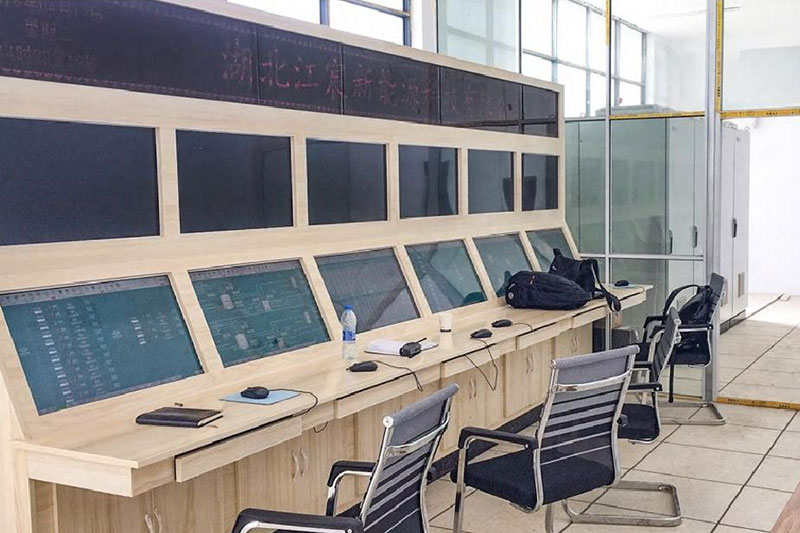
🛠️ Real-time monitoring for emissions tracking
-
🧰 Routine inspections and servicing
-
👷 Operator training for safe, effective use
-
🔁 System upgrades to adopt new technology
✔️ TYIC provides EPC services — from design and manufacturing to training and lifecycle support.
🌱 Efficient waste gas treatment enhances environmental performance and protects your business reputation.
TYIC delivers tailored, high-efficiency waste gas treatment systems to meet complex emissions challenges and global compliance demands.
 English
  Deutsch
  Français
  Português
  Español
  Italiano