
Complex black mass composition and difficult processing often lead to metal losses, equipment corrosion, and environmental risks. If unresolved, these issues directly impact project compliance and profitability. A system-engineered black mass recycling solution is essential.
Lithium battery black mass is a high-value powder produced after spent lithium-ion batteries undergo discharge, dismantling, crushing, and separation. Rich in lithium, nickel, cobalt, and manganese, it is the core feedstock of hydrometallurgical recycling systems and the starting point for regenerated battery materials.
To fully unlock the value of black mass, it must be understood from the perspective of engineering design, equipment selection, and system integration.
Table of Contents
Engineering Definition and Industrial Characteristics of Black Mass
In industrial recycling systems, black mass is not merely a “powder material,” but a complex intermediate that places high demands on equipment compatibility, process stability, and environmental control. It is generated during the front-end pretreatment stage of spent lithium batteries, after safe discharge, dismantling, crushing, and multi-stage physical separation remove casings, foils, and inactive components.
From an engineering standpoint, black mass is highly concentrated with cathode and anode active materials. It features fine particle size, high specific surface area, and strong chemical reactivity. Typical components include lithium salts, nickel-cobalt-manganese oxides, graphite, residual electrolytes, and trace impurities. Variations in battery chemistry—such as ternary systems versus LFP—result in significant differences in metal ratios, impurity profiles, and corrosiveness.
As a result, black mass cannot be treated as a standardized raw material. It must be analyzed and matched with customized process routes during the design stage. This is why industrial-scale black mass recycling projects require system suppliers with strong chemical engineering expertise and extensive experience in corrosion-resistant equipment.
Why Black Mass Recycling Depends on Engineering System Capability
With the rapid retirement of power and energy storage batteries, black mass has become a critical secondary source of lithium, nickel, and cobalt. In practice, however, many recycling bottlenecks arise not from metal content, but from system-level mismatches—such as insufficient corrosion resistance, unstable material handling, or inadequate waste gas and wastewater treatment.
A mature black mass recycling project must prioritize process continuity, operational safety, and environmental compliance from the outset. This includes accurate material characterization, appropriate reaction system selection, and comprehensive control of corrosive media, acid mist, and fluoride-containing wastewater. Only when process technology is deeply integrated with engineering systems can black mass recycling achieve stable, large-scale, long-term operation.
Typical Engineering-Based Black Mass Recycling Process
In proven industrial applications, black mass recycling is typically centered on hydrometallurgy and supported by a fully integrated engineering system:
1. Safe Discharge and Front-End Dismantling Systems
Standardized discharge and dismantling processes ensure batteries enter crushing systems in a safe state, forming the basis for continuous operation.
2. Crushing and Multi-Stage Separation Systems
Controlled crushing combined with screening, magnetic separation, and air classification efficiently removes metal foils and non-metallic impurities, producing black mass with stable particle size distribution.
3. Black Mass Pretreatment and Conditioning Units
Thermal treatment or chemical washing units are configured to remove residual electrolytes and organics, reducing corrosion risks and improving leaching efficiency.
4. Hydrometallurgical Leaching Systems
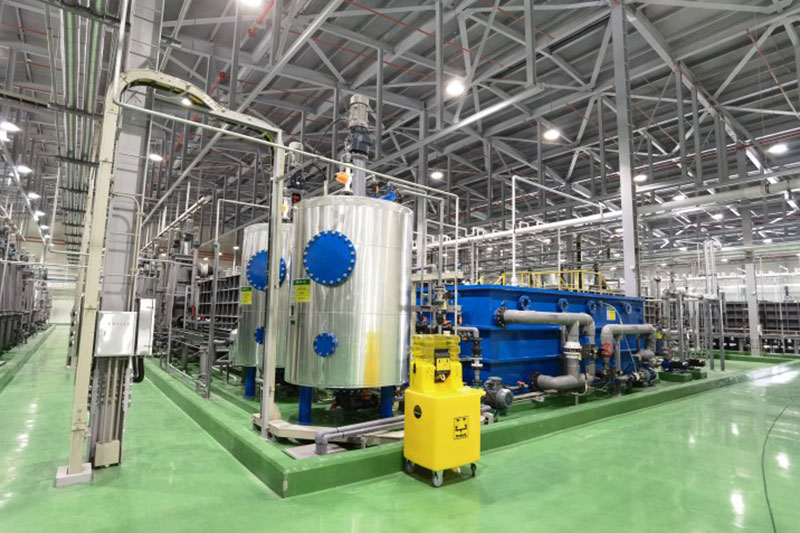
Selective metal leaching is carried out in corrosion-resistant reactors, with precise control of temperature, pH, and reaction time—this is the core of black mass recycling.
5. Metal Separation and Purification Systems
Extraction and precipitation processes sequentially separate nickel, cobalt, manganese, and lithium, with impurity control to meet battery-grade material standards.
6. Environmental Protection Supporting Systems
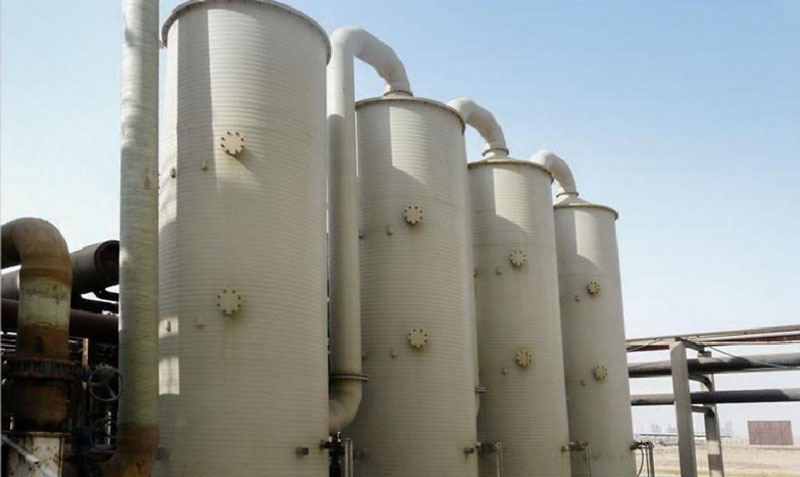
Waste gas treatment, wastewater treatment, and solid waste management systems are integrated to ensure full compliance with environmental and safety regulations.
Key Engineering Challenges in Black Mass Projects
Black mass systems often involve highly corrosive media and complex impurity profiles, placing strict requirements on material selection and equipment lifespan. At the same time, continuous material conveying, dust control, and coordination among multiple process units directly affect operational stability and lifecycle costs.
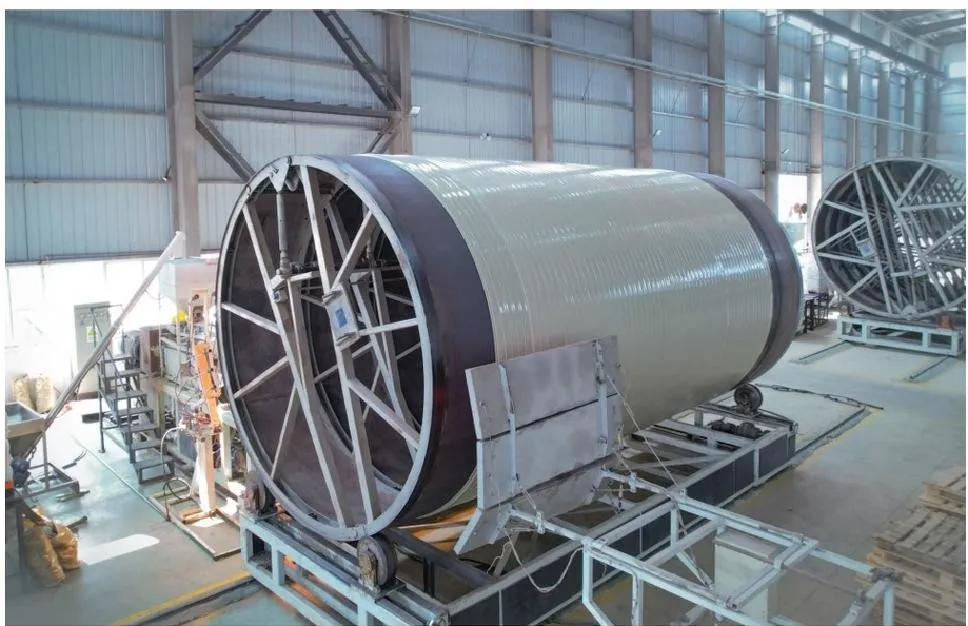
Therefore, companies with proven experience in corrosion-resistant materials, chemical equipment manufacturing, and full-plant EPC integration hold a clear advantage in black mass recycling projects. System-level design, rather than isolated equipment assembly, is essential to reducing long-term operational risks.
Industrial Value and Long-Term Outlook of Black Mass Recycling
From an industry perspective, black mass is becoming the critical link between battery recycling and cathode material regeneration. Efficient and stable black mass recycling systems help establish closed-loop supply chains, reduce dependence on primary mining, and significantly lower carbon emissions.
Looking ahead, black mass recycling will increasingly rely on engineering standardization, equipment durability, and deeper integration with downstream material production. The ability to deliver integrated solutions covering process design, core equipment, and environmental systems will define long-term competitiveness.
At its core, black mass recycling is a reflection of engineering capability, determining the safety, compliance, and long-term value of battery recycling projects.
 English
  Deutsch
  Français
  Português
  Español
  Italiano