
Retired lithium-ion batteries contain valuable metals, but inefficient recycling causes material loss, higher costs, and environmental risks. Integrated battery recycling solutions help improve recovery and process stability.
Battery recycling solutions recover nickel, cobalt, manganese, lithium, and other valuable materials through coordinated pretreatment, leaching, extraction, purification, crystallization, and environmental treatment processes. Integrated process design, corrosion-resistant equipment, automation, and optimized plant layout can improve recovery efficiency, operational stability, and long-term production performance.
A successful recycling project depends on how effectively process design, equipment, materials, automation, and environmental treatment work together.
Table of Contents
What Is a Battery Recycling Solution?
A battery recycling solution is an integrated industrial system designed to separate, recover, purify, and reuse valuable materials from spent lithium-ion batteries and battery production waste.
Depending on the battery chemistry and required final products, a recycling line may include:
- Battery disassembly and crushing
- Material pretreatment and roasting
- Acid or alkaline leaching
- Solid-liquid separation
- Solvent extraction
- Impurity removal and purification
- Evaporation and crystallization
- Electrowinning or precipitation
- Wastewater and waste-gas treatment
The final process configuration depends on the feed composition, metal concentration, target product purity, production capacity, and plant conditions.
For industrial projects, individual equipment performance is important, but stable production requires all process stages to operate as one coordinated system.
Recovering Nickel, Cobalt, Manganese, and Lithium
Hydrometallurgical processing is commonly applied to recover valuable metals from battery materials.
After pretreatment, battery materials enter the leaching stage, where target metals are transferred into solution under controlled chemical conditions. The resulting solution then passes through separation and purification processes.
Typical Recovery Process
A recycling route for ternary lithium battery materials may include:
Disassembly → Crushing → Roasting → Leaching → Extraction → Purification → Crystallization / Electrowinning → Precipitation
Through these stages, metals such as nickel, cobalt, manganese, and lithium can be separated from impurities and from one another.
For intermediate materials such as MHP, processing may include washing, leaching, solvent extraction, evaporation, crystallization, electrowinning, and ion exchange.
The appropriate route should be selected according to actual feed characteristics rather than relying on a fixed process configuration.
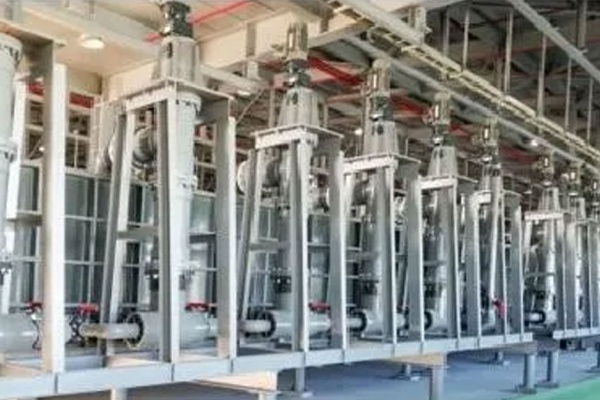
Solvent Extraction for Metal Separation
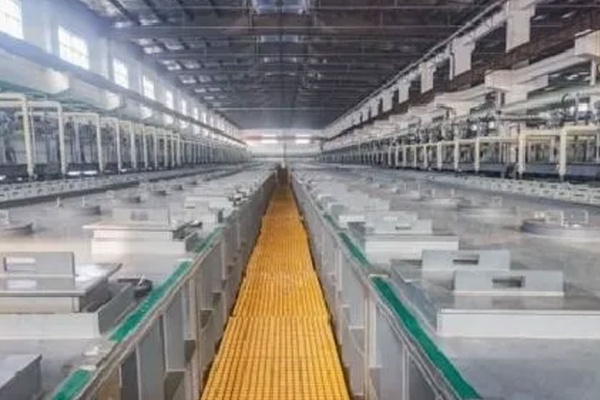
Solvent extraction is a critical separation process in many battery recycling and non-ferrous metal recovery projects.
The process transfers selected metal ions between aqueous and organic phases according to differences in chemical affinity. By controlling operating conditions and extraction stages, target metals can be separated and purified.
TYIC supplies extraction equipment including tubular rapid extractors and extraction boxes for hydrometallurgical applications.
Equipment structure, dimensions, materials, and internal configuration can be customized according to:
- Processing capacity
- Solution composition
- Extraction system
- Chemical environment
- Separation requirements
- Plant layout
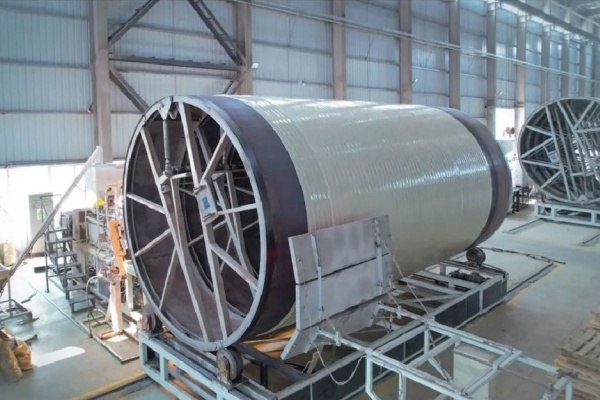
Suitable materials may include PPH, PVC, FRP, steel-lined plastics, and stainless steel, depending on process conditions.
Corrosion-Resistant Equipment for Recycling Plants
Battery recycling plants frequently handle acidic solutions, alkaline solutions, organic phases, metal-containing liquids, and corrosive gases.
Material selection therefore has a direct impact on equipment life, maintenance requirements, operational reliability, and plant safety.
TYIC provides equipment such as:
- PPH and HDPE storage tanks
- Reaction and process tanks
- Extraction equipment
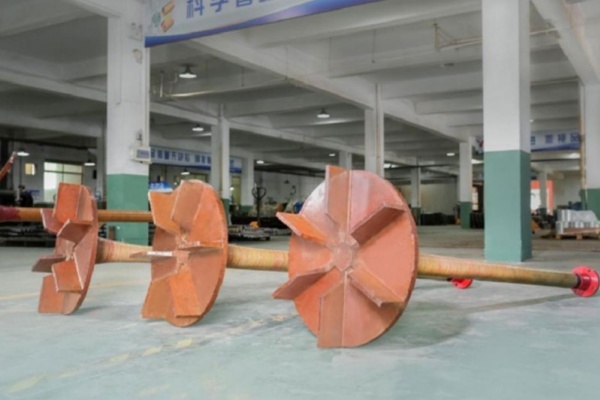
- Mixing equipment
- Micro-interface oil removal systems
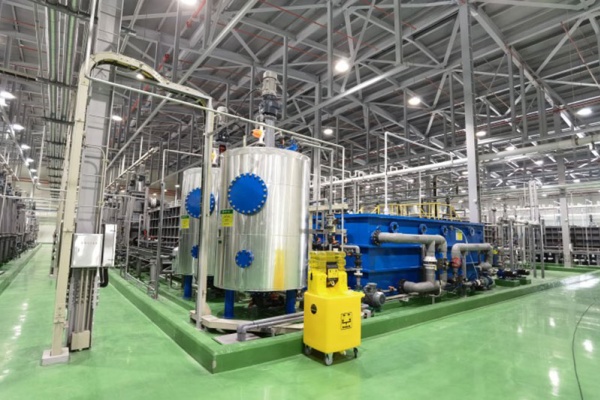
- Wastewater treatment systems
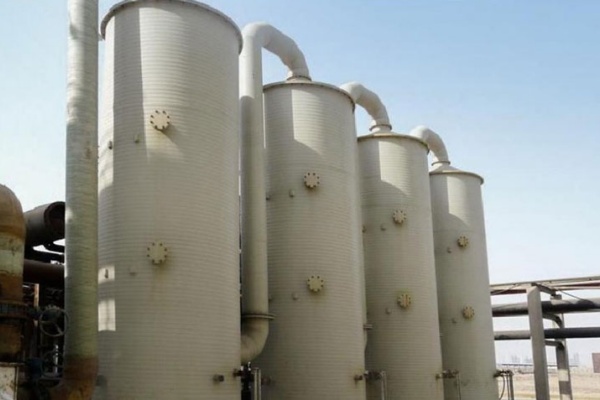
- Waste-gas treatment systems
By matching equipment materials with the chemical properties of each process stream, recycling plants can reduce corrosion-related maintenance and support long-term operation.
Plant Layout and Process Integration
Battery recycling performance is also affected by equipment layout and material-flow design.
Poorly arranged equipment can increase pipeline length, transfer requirements, maintenance difficulty, and workshop space utilization.
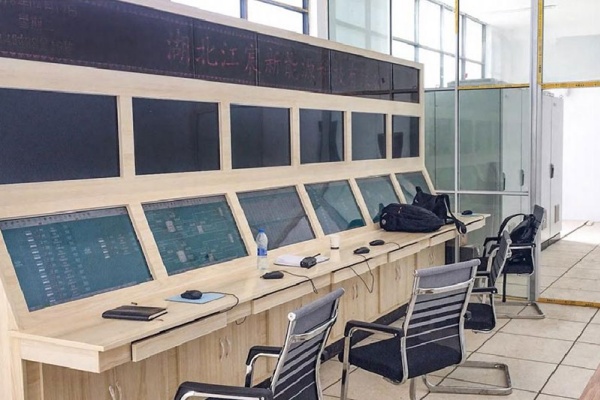
A coordinated engineering approach considers equipment placement together with process flow, utilities, maintenance access, piping, electrical systems, and automation.
TYIC provides technical support covering:
Process route selection → Material balance → PFD → P&ID → Equipment design → Workshop layout → Pipeline planning → Electrical automation → Installation → Commissioning
Integrating these stages at the design phase can help identify interface problems before equipment enters production.
Environmental Treatment for Battery Recycling
Battery recycling can generate wastewater, acid mist, organic waste gas, and other secondary process streams.
Environmental treatment should therefore be incorporated into the overall production system rather than treated as a separate afterthought.
For organic waste-gas applications, a treatment route may include:
Two-stage alkali washing → Water washing → Mist removal → Activated carbon adsorption → Thermal desorption regeneration
Pretreatment can remove acidic components and moisture before gases enter downstream adsorption systems.
Wastewater treatment should similarly be coordinated with the recycling process. Proper classification, recovery, reuse, and treatment of liquid streams can reduce valuable material losses and decrease the load on final wastewater treatment facilities.
From Equipment Supply to EPC Project Delivery
Large battery recycling projects require coordination among chemical process, mechanical equipment, piping, electrical systems, automation, civil engineering, installation, and commissioning.
TYIC provides engineering and manufacturing services that can include:
Process Design
Process route development, material balance, PFD, P&ID, and operating parameter planning.
Equipment Engineering
Extraction equipment, tanks, mixing systems, corrosion-resistant equipment, and auxiliary systems.
Plant Engineering
Workshop layout, piping arrangement, cable-tray planning, and equipment positioning.
Commissioning Support
Tank filling, system commissioning, operator training, and production-support documentation.
This integrated approach allows process requirements and equipment performance to be evaluated together throughout project implementation.
Battery Recycling Project Experience
TYIC has participated in battery recycling, hydrometallurgical processing, and environmental engineering projects for companies in the new energy, battery materials, non-ferrous metals, and chemical industries.
Its project experience includes cooperation with companies such as ECOPRO, Tianneng, GEM, Ganfeng Lithium, Camel Group, and other industrial enterprises.
The company combines process engineering, equipment manufacturing, customization, installation, and commissioning support for industrial recycling projects.
How to Select a Battery Recycling Solution
A recycling system should be designed around actual production requirements.
Important evaluation factors include:
- Feed material composition
- Target metals and final products
- Required product purity
- Metal recovery targets
- Production capacity
- Corrosion resistance
- Automation requirements
- Available workshop space
- Environmental treatment requirements
- Maintenance accessibility
For industrial buyers, evaluating the complete process is generally more meaningful than comparing isolated equipment specifications.
The selected solution should balance process feasibility, separation performance, equipment durability, operating stability, environmental control, and long-term maintainability.
Conclusion
Effective battery recycling requires integrated process engineering, efficient separation, corrosion-resistant equipment, automation, and environmental control to support reliable industrial metal recovery.
 English
  Deutsch
  Français
  Português
  Español
  Italiano