
Problem: Attempting DIY lithium extraction from spent cells risks fires, toxic exposures, and legal violations; professional recycling is the safe, responsible solution.
Snippet: Extracting lithium from end‑of‑life batteries is technically complex and hazardous. Instead of attempting manual extraction, stakeholders should rely on certified recyclers or licensed industrial processors that use controlled hydrometallurgical, pyrometallurgical, or direct‑recycling routes to recover value safely and compliantly.
Continue reading for an objective overview of risks, commercial methods, and safe alternatives.
Table of Contents
Overview and safety first
Attempting to extract lithium metal or lithium compounds at home from laptop cells, button cells, or small cylindrical cells (such as YC01‑type cells) presents serious, unacceptable hazards. Spent lithium‑ion and lithium metal batteries contain flammable electrolytes, reactive lithium species, toxic decomposition products, and sometimes pressurised cells that can rupture, ignite, or explode. Handling, cutting, heating, or chemically treating cells without industrial controls endangers people, property, and the environment, and frequently runs afoul of local hazardous‑waste regulations.
Because of these risks, this article does not provide step‑by‑step extraction instructions. Instead it presents a neutral, high‑level explanation of how professional recovery is conducted, the major commercial approaches, regulatory and environmental considerations, and safe alternatives for anyone seeking to reclaim value from spent batteries.
High‑level commercial recovery approaches (non‑actionable)
-
Hydrometallurgy (aqueous processing):
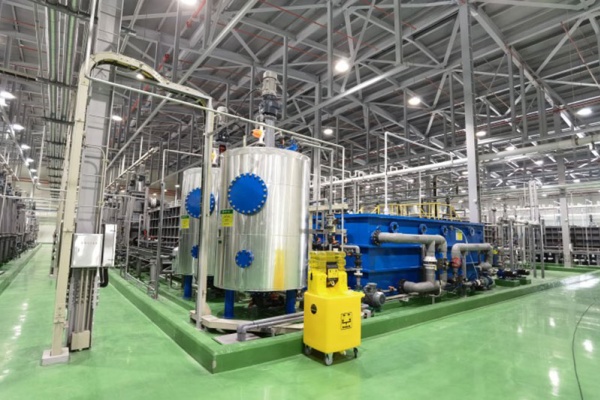
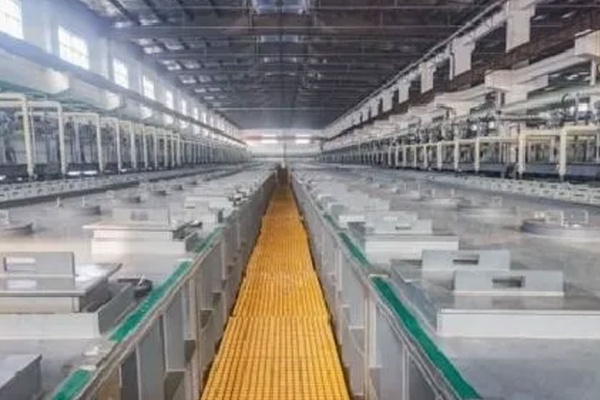
In commercial settings, hydrometallurgical routes use controlled dissolution of electrode materials followed by selective separation, purification, and chemical conversion to recover lithium salts and other metals (e.g., cobalt, nickel, copper). These processes are operated in licensed facilities with closed‑loop effluent treatment, solvent management, and rigorous worker protections. -
Pyrometallurgy (thermal processing):
Pyrometallurgical methods process battery packs under high temperatures in industrial furnaces to smelt and separate metal fractions. This approach is used when facilities are equipped with emission controls and systems to manage off‑gases and residues safely. -
Direct recycling / materials reconditioning:
Emerging industrial methods aim to restore or re‑use cathode materials with minimal chemical transformation, focusing on preserving active material structure. These processes still require specialised equipment, high purity controls, and regulated waste handling.
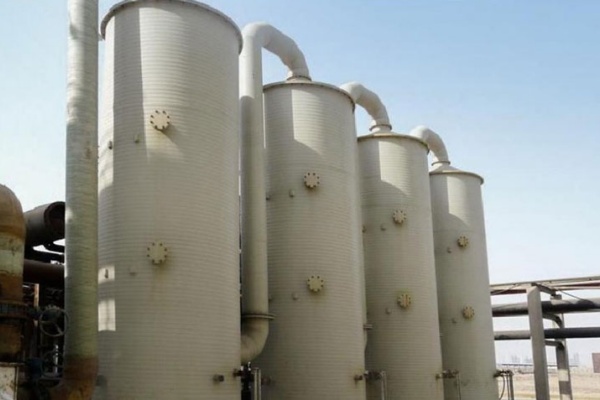
Each of these routes requires substantial engineering controls—gas scrubbing, dust collection, effluent treatment, licensed chemical handling, and certified waste transport—therefore they are inherently unsuitable for hobbyist or informal processing.
Environmental, legal and compliance considerations
Recovered lithium and co‑products are regulated in many jurisdictions. Facilities must comply with hazardous‑waste laws, air and water quality permits, and transport regulations for lithium batteries and chemical intermediates. Informal recycling or uncontrolled disposal can cause soil and water contamination, create fire risks in municipal waste streams, and result in penalties for non‑compliance. Responsible producers and collectors operate under permits and maintain chain‑of‑custody documentation.
What a responsible organisation or individual should do
-
Use certified recyclers and take‑back programmes. Large manufacturers, municipal waste authorities and specialised recyclers accept laptop packs, button cells, and small cells for safe processing.
-
Segregate and store spent batteries safely. Keep cells in non‑conductive, fire‑resistant containers, tape terminals, and avoid mechanical damage while awaiting proper collection.
-
Engage licensed partners for material recovery. For businesses holding significant volumes (e.g., battery‑sourcing organisations, electronics refurbishers), contract with licensed hydrometallurgical or smelting partners rather than attempting in‑house extraction.
-
Prioritise circular strategies. Where possible, select suppliers and service providers that demonstrate closed‑loop handling, recovery yields, and transparent environmental performance.
Industrial partners and technical due diligence
Companies evaluating recycling partners should request evidence of environmental permits, process descriptions (non‑proprietary high level), emissions controls, analytical quality for recovered products, and proven logistics for hazardous material transport. Independent audits, third‑party certifications, and references from industrial clients are key indicators of responsible practice.
TYIC perspective (objective supplier note)
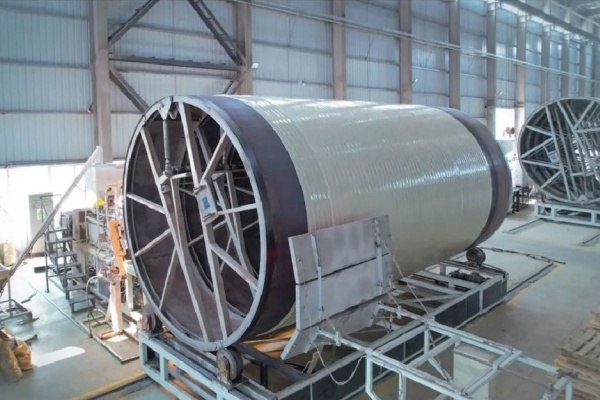
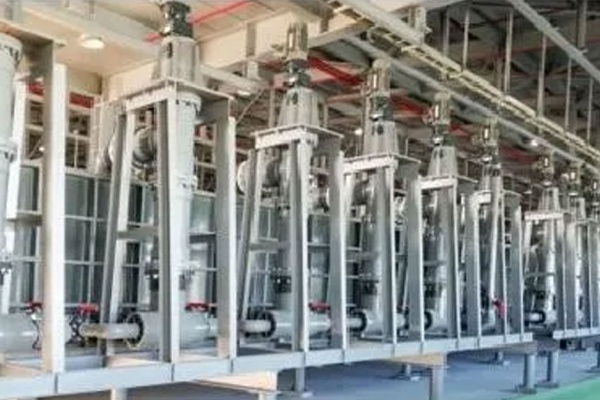
TYIC positions itself as a manufacturer and EPC service provider in environmental and extraction equipment markets. Organisations seeking engineered, compliant solutions for materials handling, solvent recovery, storage tanks, or pollution‑control systems can evaluate professional vendors like TYIC for turnkey design, equipment supply, and installation—ensuring recovery work occurs within regulated, engineered environments rather than informal settings.
In short: DIY lithium extraction is dangerous and inadvisable; rely on certified recyclers or licensed industrial processors for safe, compliant recovery.
 English
  Deutsch
  Français
  Português
  Español
  Italiano