
Discarded lead batteries can leak toxic materials, contaminate soil and water, and waste valuable resources. Controlled recycling recovers lead, plastic, and electrolyte safely.
Lead battery recycling collects spent batteries, treats the electrolyte, separates plastic and lead, smelts and refines recovered metal, and returns suitable materials to manufacturing. Safe operation depends on enclosed handling, corrosion-resistant equipment, emissions control, wastewater treatment, and strict worker-protection procedures.
Understanding each stage explains why disciplined process design is essential for efficient recovery and responsible environmental management.
Table of Contents
Why Lead Batteries Are Recyclable
Lead-acid batteries power vehicles, backup systems, forklifts, and industrial equipment. Their main components are lead, lead oxide paste, sulfuric acid, polypropylene cases, and separators. Most can be recovered or safely treated.
The system is often called closed-loop recycling because recovered lead and plastic can return to battery production. This reduces mining demand and hazardous waste. However, informal breaking, acid dumping, open burning, and uncontrolled smelting can cause severe exposure and pollution.
1. Collection and Controlled Storage
Spent batteries are collected from workshops, retailers, fleets, factories, service centers, and approved recovery networks. They are transported upright in durable, leak-resistant containers that limit movement and electrolyte loss.
At the recycling plant, batteries are inspected and stored in designated areas. Floors should resist acid and include drainage control, containment, and spill-response provisions. Damaged batteries require sealed overpacks. Accurate tracking supports inventory and compliance records.
2. Breaking and Separation
Mechanical equipment opens or crushes the batteries inside a controlled system. Enclosures reduce splashes, dust, and airborne contamination. Screening and density separation then divide the material into several streams:
- Lead-bearing material: grids, terminals, connectors, and lead oxide paste.
- Polypropylene: fragments from cases and covers.
- Electrolyte: mainly diluted sulfuric acid.
- Residual material: separators and contaminants requiring further treatment.
Because lead is denser than plastic, water-based separation can allow polypropylene to float while lead-rich solids sink. Pumps, tanks, conveyors, and separators must tolerate acid, abrasion, and repeated cleaning.
3. Electrolyte Treatment
Recovered electrolyte cannot be discharged untreated. Depending on plant design, it may be purified, neutralized, converted into another product, or managed as hazardous wastewater.
Neutralization uses an alkaline reagent to adjust pH and convert sulfuric acid into salt. Clarification and filtration separate liquids from solids. Some plants recover sodium sulfate or reuse water; others send residues to authorized disposal facilities.
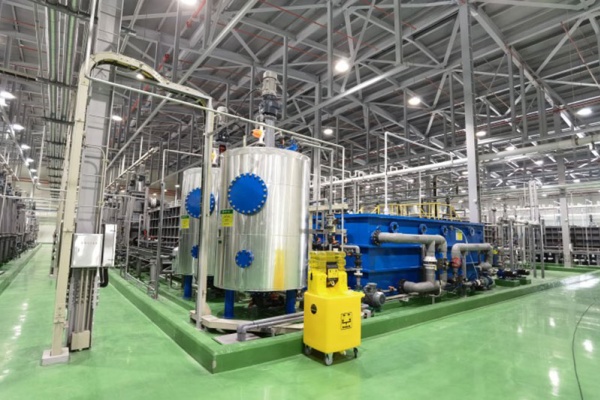
Treatment systems must control pH, suspended solids, dissolved metals, and sludge. Monitoring points, emergency storage, and secondary containment help prevent accidental releases.
4. Lead Smelting
Lead metal and paste are prepared for smelting with fluxes and reducing agents. Heat converts lead compounds into molten lead, while impurities enter slag. Feed composition, furnace type, temperature, airflow, and reagent dosage affect performance.
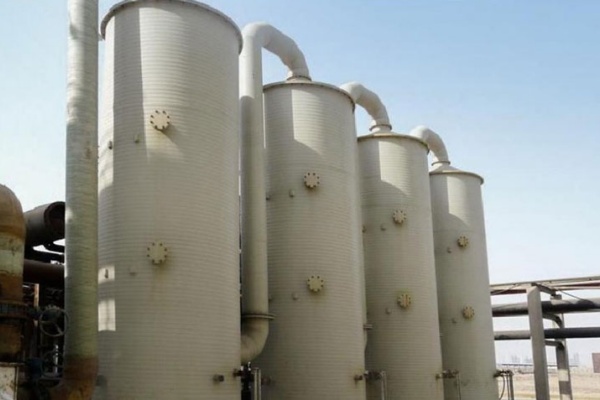
Smelting requires effective air-pollution control. Furnaces may release lead-containing dust, sulfur compounds, and process gases. Enclosed handling, negative-pressure collection, bag filters, scrubbers, and suitable gas-treatment systems limit emissions. Captured dust may be recycled when technically appropriate.
5. Refining the Lead
Crude lead contains impurities that must be removed before reuse. Refining can involve controlled heating, oxidation, chemical treatment, and alloy adjustment. Laboratory testing verifies concentrations of copper, tin, antimony, arsenic, bismuth, and other elements.
Refined metal may become soft lead, lead-calcium alloy, lead-antimony alloy, or a composition. After approval, it is cast into ingots or prepared for new battery components. Consistent sampling and temperature control protect quality.
6. Recovering the Plastic
Separated polypropylene is washed to remove acid, paste, and lead particles. It is then dried, shredded, and converted into flakes or pellets. Clean recycled polypropylene may be used for new battery cases or other suitable products.
Closed-loop use depends on contamination levels, polymer quality, color, and customer specifications. Wash water must return to the treatment system. Tanks, piping, and equipment surfaces should resist acidic residues and permit thorough cleaning.
Environmental and Safety Controls
Responsible recycling requires integrated environmental protection and occupational safety. Key measures include local exhaust ventilation, dust collection, enclosed transfer, acid-resistant storage, wastewater treatment, spill response, personal protective equipment, hygiene facilities, and exposure monitoring.
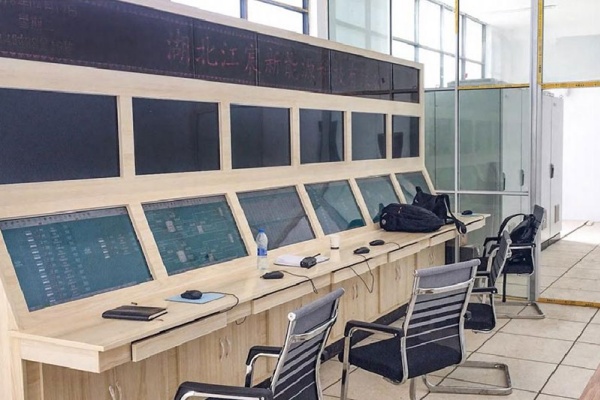
Floors and drainage should prevent contaminated water from reaching soil or sewers. Automation can reduce manual contact with hazardous materials. Interlocks, alarms, level controls, and monitoring help detect abnormal pressure, temperature, flow, or pH early.
Process Engineering Matters
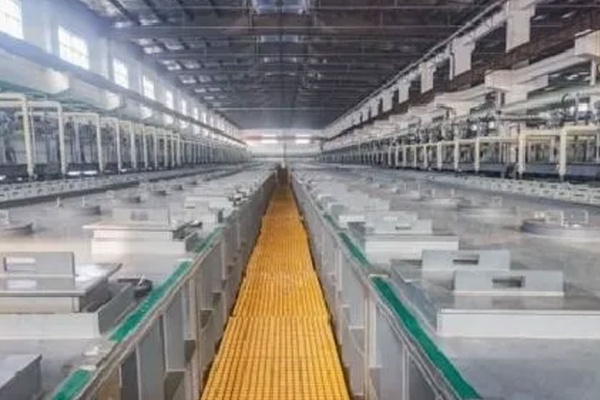
A recycling plant must coordinate equipment layout, material flow, utilities, pollution controls, and maintenance access. Poor integration can increase energy consumption, cross-contamination, downtime, and worker exposure.
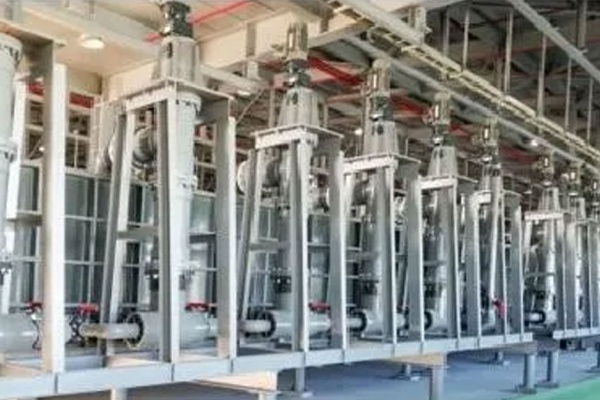
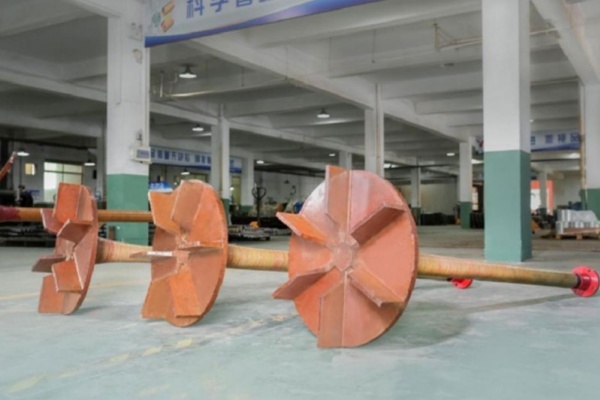
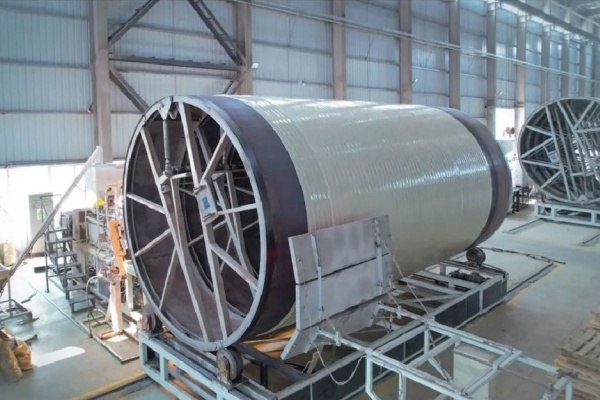
Process providers can support equipment selection, corrosion-resistant tanks, mixing systems, piping, wastewater treatment, waste-gas collection, automation, installation, and commissioning. Material selection is critical because acidic liquids, abrasive solids, heat, and lead-bearing residues create operating demands.
A well-designed facility combines recovery efficiency, stable operation, practical maintenance, and measurable environmental performance. Every solid, liquid, and gas stream must remain controlled.
Lead battery recycling converts hazardous waste into reusable materials through separation, treatment, smelting, refining, and pollution management.
 English
  Deutsch
  Français
  Português
  Español
  Italiano