
Battery waste is growing rapidly, creating environmental risks and resource shortages. Without efficient recycling, valuable metals are lost and sustainability goals become harder to achieve. Advanced lithium-ion battery recycling technologies now offer higher recovery rates, lower emissions, and improved economic returns.
Advancements in lithium-ion battery recycling focus on increasing the recovery efficiency of critical materials such as lithium, nickel, cobalt, and manganese while reducing environmental impact. Modern technologies, including hydrometallurgical extraction, direct recycling, and automated battery dismantling, enable higher material purity, lower energy consumption, and support a circular economy for the rapidly expanding electric vehicle and energy storage industries.
As global demand for electric vehicles and energy storage systems accelerates, innovative recycling technologies are becoming essential for securing critical raw materials.
Indice dei contenuti
Why Is Lithium-Ion Battery Recycling Becoming More Important?
The rapid growth of electric vehicles (EVs), consumer electronics, and renewable energy storage systems has significantly increased the demand for lithium-ion batteries. As these batteries reach the end of their service life, millions of tons of battery waste are expected to enter the global waste stream over the coming decades.
Improper disposal of lithium-ion batteries can lead to environmental contamination, fire hazards, and the loss of valuable resources. Batteries contain critical metals such as lithium, cobalt, nickel, copper, and manganese, all of which require extensive mining activities to obtain. Recycling these materials reduces dependence on virgin resources while minimizing the environmental footprint associated with mining and refining.
Governments worldwide are also introducing stricter regulations to promote battery recycling and establish sustainable supply chains for critical minerals.
What Are the Latest Technological Advancements in Battery Recycling?
Recent technological developments have transformed lithium-ion battery recycling from a relatively inefficient process into a highly sophisticated industrial operation.
Automated Battery Collection and Sorting
Advanced automation systems now use artificial intelligence, machine vision, and robotics to identify, classify, and sort different battery chemistries. These technologies improve operational safety while reducing labor costs and processing errors.
Improved Mechanical Pretreatment
Modern shredding and separation technologies allow recyclers to efficiently recover valuable components before chemical processing. Advanced crushing systems can separate plastics, aluminum, copper, and black mass with greater accuracy, increasing overall recovery rates.
Hydrometallurgical Processing
Hydrometallurgy has become one of the most widely adopted recycling methods. This process uses chemical solutions to selectively extract valuable metals from battery materials.
Compared with traditional pyrometallurgical methods, hydrometallurgical recycling offers several advantages:
- Higher metal recovery rates
- Minor consumo di energia
- Reduced greenhouse gas emissions
- Improved recovery of lithium
- Greater process flexibility
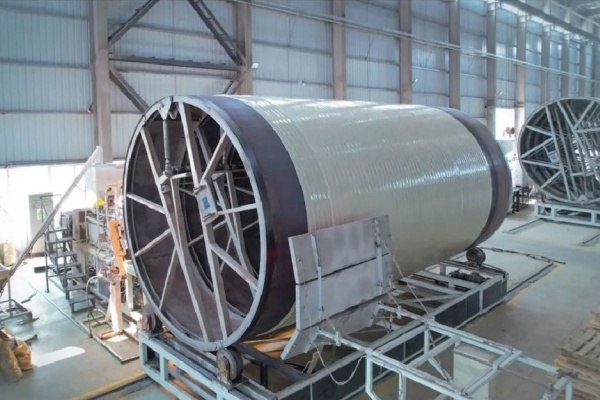
Innovative extraction equipment and optimized process designs continue to improve recovery efficiency and operational economics.
How Is Direct Recycling Changing the Industry?
Direct recycling is emerging as one of the most promising technologies in the battery recycling sector. Unlike conventional methods that break batteries down into individual metals, direct recycling aims to preserve the cathode material’s original structure.
This approach provides several benefits:
- Lower processing costs
- Reduced chemical consumption
- Higher material value retention
- Smaller carbon footprint
- Shorter production cycles
Researchers and industrial operators are actively developing commercial-scale direct recycling solutions capable of producing battery-grade materials suitable for new battery manufacturing.
Although still developing, direct recycling has the potential to become a major contributor to future circular battery supply chains.
What Role Does Hydrometallurgical Extraction Play?
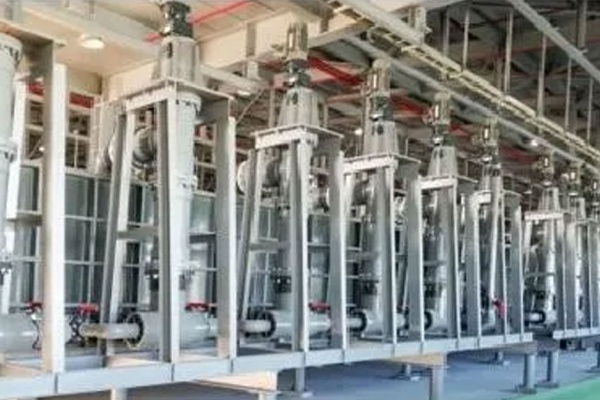
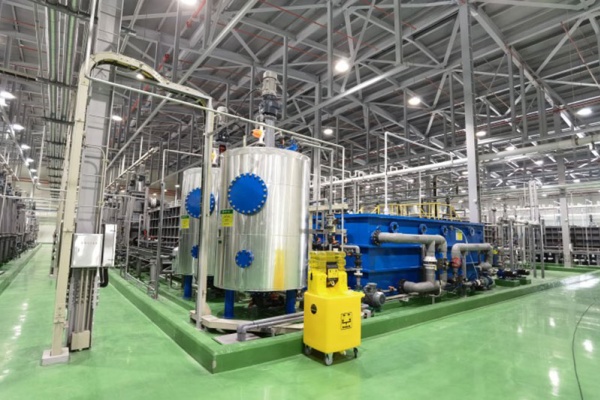
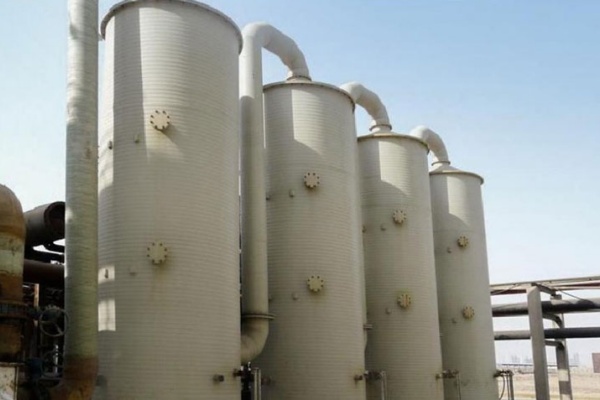
Hydrometallurgical extraction remains a cornerstone technology for modern battery recycling facilities. The process enables the efficient separation and purification of multiple metals from complex battery waste streams.
Advanced extraction systems now incorporate:
- Multi-stage solvent extraction
- Continuous extraction technology
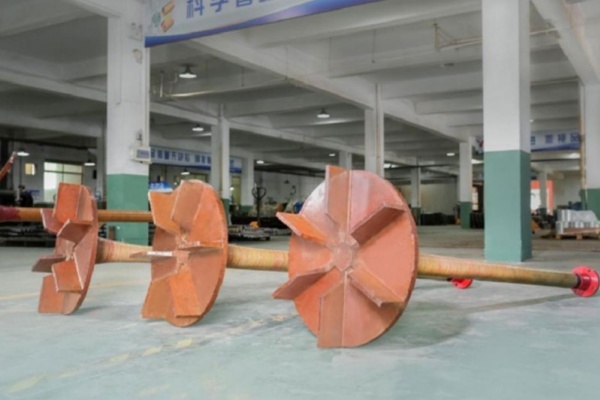
- High-efficiency mixing equipment
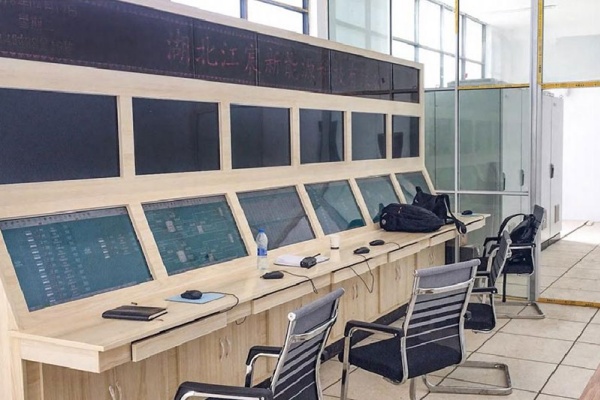
- Automated process control
- Enhanced purification systems
These improvements enable producers to achieve battery-grade purity requirements for recovered metals. Continuous extraction technologies, in particular, help improve productivity while reducing chemical consumption and operating costs.
As battery chemistries continue to evolve, flexible hydrometallurgical systems are becoming increasingly important for processing a wide variety of feed materials.
What Challenges Still Need to Be Solved?
Despite significant progress, several challenges remain in lithium-ion battery recycling.
Battery Design Complexity
Manufacturers use different battery formats, chemistries, and assembly methods. This diversity complicates dismantling and recycling operations.
Economic Viability
Recycling profitability often depends on commodity prices and material recovery rates. Continued innovation is required to improve cost efficiency.
Safety Concerns
Damaged batteries may contain residual energy, creating risks of fire and thermal runaway during transportation and processing.
Scaling Infrastructure
As EV adoption expands globally, recycling infrastructure must grow rapidly to handle increasing volumes of end-of-life batteries.
Industry collaboration among battery manufacturers, recyclers, equipment suppliers, and policymakers will be essential to overcome these challenges.
What Does the Future Hold for Lithium-Ion Battery Recycling?
The future of lithium-ion battery recycling is closely tied to the development of a circular economy. Advances in automation, hydrometallurgical extraction, direct recycling, and digital process management are expected to further improve recovery efficiency and sustainability.
As governments strengthen recycling regulations and demand for critical battery materials continues to rise, recycling will become an increasingly important source of raw materials. Companies investing in advanced recycling technologies today are positioning themselves to play a critical role in the global transition toward clean energy and sustainable resource management.
Advanced recycling technologies are transforming battery waste into valuable resources, supporting sustainable growth and strengthening global critical material supply chains.
 Italiano
  English
  Deutsch
  Français
  Português
  Español