
Retired battery energy storage systems create safety risks, pressione di conformità, e rifiuti di risorse. Effective recycling reduces losses and turns used batteries into valuable resources.
Battery energy storage end-of-life recycling is the process of safely collecting, dismantling, and recovering useful materials from retired batteries. It helps reduce waste, improve resource efficiency, and return valuable metals such as lithium, nickel, cobalt, and manganese to the supply chain.
The value of recycling becomes clearer when viewed from the full industrial chain.
Indice dei contenuti
Why End-of-Life Recycling Matters
As more battery energy storage systems reach the end of their service life, recycling is becoming a major industry issue. Retired batteries are not ordinary waste. They contain valuable metals, but they also bring environmental and operational risks.
Without a proper recycling system, companies may face:
- Lower recovery efficiency
- Higher treatment costs
- Greater environmental pressure
- More safety risks during storage and transport
This is why end-of-life recycling is no longer optional. It is becoming a necessary part of battery industry development.
Key Stages of the Recycling Process
A complete recycling process often includes:
- Disassembly
- Frantumazione
- Lisciviazione
- Estrazione
- Separazione
- Material recovery
Because battery types, material composition, and recovery goals differ, many projects need progettazione di processi personalizzati rather than standard equipment alone.
The Importance of Integrated Engineering
According to the uploaded materials, TYIC has experience in battery-grade material recovery system design and related non-ferrous metal recovery projects.
Its solution approach focuses on integrated delivery, including:
- Progettazione del processo
- Equipment configuration
- Layout planning
- Progettazione di condotte
- Installation support
This kind of integrated capability helps customers build recycling systems that are more stabile, efficient, e practical for industrial use.
Why Equipment Reliability Is Critical
Battery recycling environments often involve corrosive media, continuous operation, e strict process control requirements. In these conditions, equipment reliability directly affects production stability.
TYIC’s product range includes:
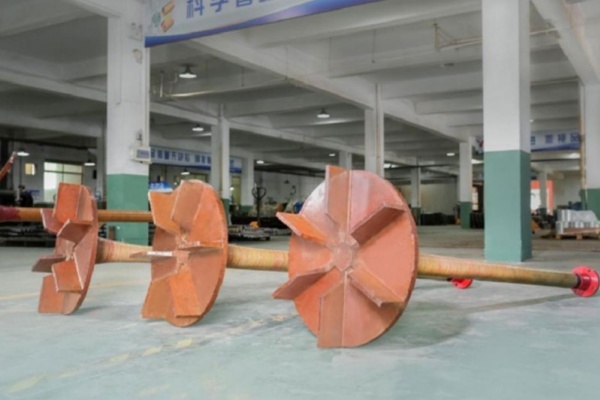
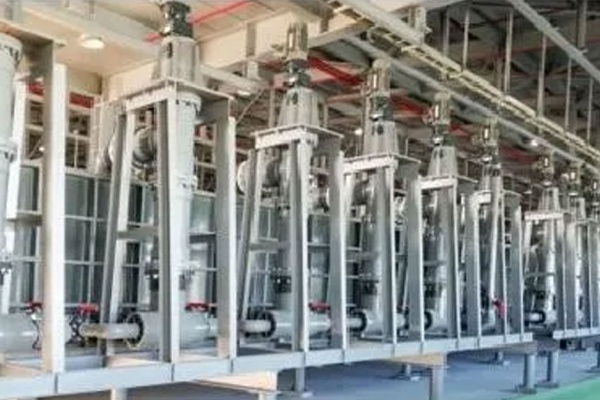
- Attrezzatura per l'estrazione
- Mixing systems
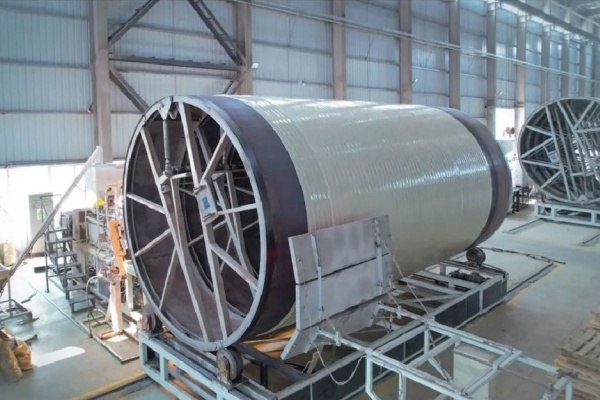
- Serbatoi resistenti alla corrosione
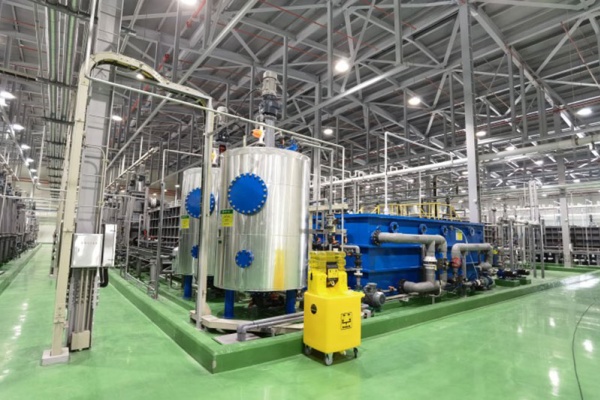
- Oil removal systems
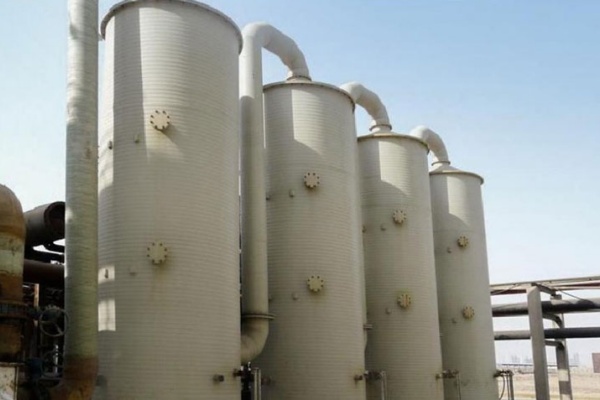
- Environmental protection equipment
These products are closely related to battery recycling applications and support long-term industrial operation.
Environmental Protection Is Also Essential
Battery recycling is not only about recovering metals. It also requires proper treatment of:
- Wastewater
- Waste gas
- Process by-products
Based on the company materials, TYIC also provides waste gas and wastewater treatment solutions, helping support a more complete recycling project.
This is important because a recycling plant must combine recupero delle risorse con conformità ambientale.
Strategic Value for the Industry
From an industry perspective, end-of-life recycling improves supply chain resilience. Recovered metals can return to battery production, reduce dependence on primary resources, and support the development of a economia circolare.
For industrial buyers, a strong recycling partner is not judged only by recovery rates. Buyers also care about:
- Technical capability
- Equipment durability
- Project execution
- Conformità ambientale
These factors are essential for long-term project success.
Conclusione
Efficient battery recycling turns retired systems into reusable value through safe recovery, stable processing, and responsible environmental management.
 Italiano
  English
  Deutsch
  Français
  Português
  Español