
Le fonti di metallo grezzo rimangono in gran parte non sfruttate in molte operazioni, causando inefficienza, inquinamento e sovraccarichi di costi. estrazione del metallo I processi risolvono questi problemi con precisione e sostenibilità.
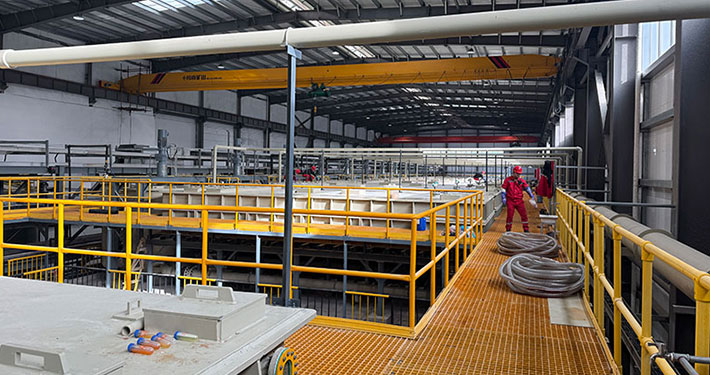
L'estrazione dei metalli prevede fasi stratificate come la concentrazione del minerale, il trattamento chimico e la raffinazione per trasformare i minerali estratti in metalli utilizzabili come rame, ferro e alluminio per le industrie di tutti i giorni.
Continuate a leggere per scoprire come i metalli passano dai minerali ai materiali utilizzabili.
Indice dei contenuti
Introduzione all'estrazione dei metalli
L'estrazione dei metalli è il processo tecnico e chimico di conversione dei minerali metallici in metalli raffinati e utilizzabili. Questa disciplina vitale è alla base di industrie come quella mineraria, manifatturiera, energetica ed edile, in quanto fornisce metalli in forme adatte a componenti, infrastrutture e tecnologie.
Il percorso di estrazione inizia con l'identificazione e l'estrazione di corpi minerari. Questi minerali contengono metalli in forme chimiche complesse, come ossidi, solfuri o carbonati, che non possono essere utilizzati direttamente. Per trasformarli, l'estrazione dei metalli impiega metodi fisici e chimici: concentrazione per rimuovere la ganga indesiderata, arrostimento o lisciviazione per cambiare lo stato chimico, riduzione per isolare il metallo e raffinazione per aumentarne la purezza.
La chimica dei metalli svolge un ruolo fondamentale in ogni fase. Capire come i metalli reagiscono con acidi, basi, ossigeno o agenti riducenti consente agli ingegneri di progettare percorsi di estrazione efficienti. Dalla fusione del ferro negli altiforni all'estrazione con solvente-elettrolisi del rame (SX-EW), l'estrazione dei metalli si adatta alla chimica unica di ciascun metallo.
Processo di estrazione dei metalli
Un tipico estrazione del metallo Il processo prevede più fasi interconnesse:
Estrazione e commistione: Il minerale viene estratto e frantumato in piccole particelle per rilasciare i composti metallici.
Concentrazione: Tecniche come la flottazione, la separazione magnetica o la separazione per gravità aumentano il contenuto di metalli.
Arrostimento o calcinazione: Trattamento termico per convertire i minerali (ad esempio, i solfuri in ossidi), rimuovere l'umidità o i contaminanti volatili.
Lisciviazione o riduzione: La lisciviazione chimica (ad esempio, acido o cianuro) o la riduzione termica con l'uso di riduttori (ad esempio, coke, idrogeno) trasforma gli ossidi in metallo puro.
Raffinazione: Metodi come l'elettrolisi (per rame e nichel), la raffinazione a zone o la purificazione chimica rimuovono le impurità rimanenti per soddisfare gli standard di qualità.
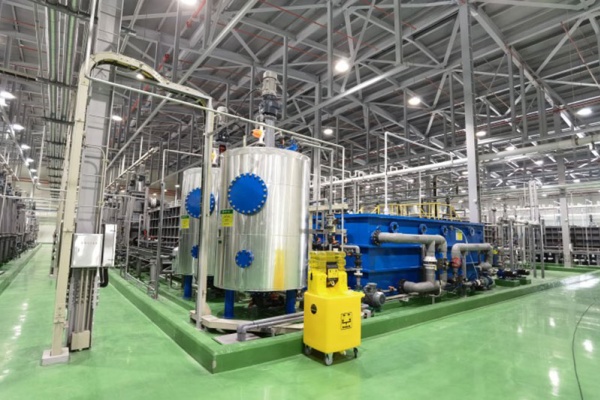
Ciascuna fase è adattata al metallo specifico: il ferro viene tipicamente fuso in un altoforno, mentre il litio o il rame possono essere sottoposti a lisciviazione o a trattamento SXEW. Un controllo adeguato della temperatura, del dosaggio dei reagenti, del tempo di residenza e del recupero dei solventi è fondamentale per massimizzare il tasso di recupero, l'efficienza energetica e la conformità ambientale.
Chimica dei metalli
La chimica dei metalli regola il comportamento di un metallo durante l'estrazione. I concetti chiave includono:
Stati di ossidazione: Metalli come il rame esistono in forme ioniche multiple (Cu⁺, Cu²⁺), che influenzano la lisciviabilità e la reattività.
Reazioni redox: La riduzione degli ossidi metallici con l'uso di riduttori come il carbonio (C), il monossido di carbonio (CO) o l'idrogeno (H₂) si basa sul controllo termodinamico.
Solubilità e complessazione: Molti minerali richiedono la formazione di complessi chimici, come i complessi di cianuro per l'oro o l'acido solforico per il rame.
Termodinamica e cinetica: L'equilibrio e la velocità di reazione determinano la temperatura di estrazione, la pressione e le concentrazioni dei reagenti.
Gli ingegneri utilizzano dati come i diagrammi di Ellingham e i diagrammi di Pourbaix per prevedere se una reazione di riduzione è energeticamente favorevole, aiutando a progettare sistemi efficienti di estrazione dei metalli. La comprensione della chimica dei metalli è essenziale per garantire che le reazioni avvengano in modo sicuro e completo.
Tipi di minerali
I metalli si ricavano da vari tipi di minerali, ognuno dei quali richiede approcci diversi per l'estrazione:
Minerali di ossido: Come l'ematite (Fe₂O₃) per il ferro o la bauxite (Al₂O₃) per l'alluminio. Spesso richiedono l'arrostimento o la lisciviazione prima della riduzione.
Minerali di solfuro: Come la calcopirite (CuFeS₂) per il rame e la galena (PbS) per il piombo. Questi composti sono in genere sottoposti a torrefazione per produrre solfati o ossidi prima della riduzione.
Minerali carbonatici: Esempi sono la malachite (Cu₂CO₃(OH)₂) e la siderite (FeCO₃). La calcinazione rimuove la CO₂ prima dell'estrazione del metallo.
Metalli nativi: Come l'oro o il rame, possono presentarsi in forma elementare, richiedendo una lavorazione minima come la separazione per gravità o la lisciviazione.
Minerali misti: I minerali complessi contenenti più metalli, ad esempio nichel e cobalto, richiedono spesso una flottazione selettiva e una lisciviazione a più stadi.
Ogni tipo di minerale richiede una specifica estrazione del metallo strategia. La comprensione della mineralogia del minerale garantisce la selezione corretta dei reagenti e la progettazione del processo per ottenere efficienza ed efficacia dei costi.
Usi quotidiani dei metalli a base minerale
I frutti di estrazione del metallo sono ovunque nella vita moderna:
Ferro e acciaio: Da travi e ponti da costruzione a telai ed elettrodomestici per automobili.
Rame: Cablaggi elettrici, circuiti stampati, avvolgimenti per energie rinnovabili e scambiatori di calore.
Alluminio: Componenti aerospaziali, lattine per bevande, imballaggi e facciate di edifici.
Nichel, cobalto, litio: Critico per le batterie dei veicoli elettrici e dell'elettronica portatile.
Metalli preziosi: Oro e argento estratti dai minerali per la produzione di gioielli, elettronica medica e catalizzatori industriali.
Oltre alle infrastrutture e all'elettronica, l'estrazione dei metalli supporta le industrie ambientali, come le marmitte catalitiche nelle automobili e i materiali avanzati per il trattamento delle acque, evidenziando il suo ruolo vitale in tutti i settori.
Sintesi
L'estrazione dei metalli trasforma il minerale in metalli essenziali che si trovano nella vita di tutti i giorni, grazie a un'attenta chimica, alla progettazione ingegneristica e all'ottimizzazione dei processi.
 Italiano
  English
  Deutsch
  Français
  Português
  Español