
Battery recyclers face fragmented rules on collection, transport, recovery, traceability, and recycled content. Non-compliance can block market access, increase costs, and disrupt supply chains; regulatory-ready recycling systems reduce these risks.
Global battery recycling regulation is moving toward a common direction: extended producer responsibility, traceable material flows, higher metal recovery, safer handling, and verified recycled content. The EU has the most detailed lifecycle framework, while China, the United States, South Korea, and international waste-shipment rules create additional obligations that manufacturers and recyclers must manage across borders.
Understanding these requirements helps companies design recycling processes, equipment, documentation, and supply chains that remain compliant as environmental standards continue to tighten.
Indice dei contenuti
European Union: Lifecycle Regulation Sets the Benchmark
Il EU Battery Regulation (EU) 2023/1542 establishes lifecycle sustainability requirements for batteries placed on the European market.
Its scope includes:
- Battery collection and waste management
- Recycling efficiency
- Material recovery
- Minimum recycled content
- Carbon footprint requirements
- Supply-chain due diligence
- Battery traceability and battery passports
These requirements affect battery producers, importers, recyclers, and other supply-chain operators.
For recyclers, recovery performance is becoming increasingly measurable and legally significant. The regulation establishes material-recovery targets for key battery metals, including lithium, cobalt, copper, nickel, and lead, together with recycling-efficiency requirements for different battery chemistries.
It also introduces minimum recycled-content requirements for certain industrial batteries, electric-vehicle batteries, and starting-lighting-ignition batteries.
As a result, recycling facilities increasingly need reliable systems for process control, sampling, mass-balance documentation, and recovery verification when recycled metals are returned to battery production.
The EU framework also strengthens supply-chain transparency. Battery due-diligence obligations have been postponed to 18 August 2027, providing covered economic operators additional time to develop policies, risk controls, traceability systems, third-party verification, and documentation.
The regulatory direction remains clear: battery supply chains must provide stronger evidence regarding material origin, environmental impact, and social risks.
China: Traceability and Responsibility for Retired EV Batteries
China has strengthened the management of retired new-energy-vehicle power batteries through new rules governing the recycling and comprehensive utilization of waste power batteries.
The measures, effective from 1 April 2026, clarify responsibilities across the battery recycling chain and reinforce regulatory supervision.
China’s regulatory framework places strong emphasis on two principles:
- Extended producer responsibility
- Lifecycle battery traceability
Vehicle manufacturers and battery producers support standardized collection systems, while information platforms can be used to track battery flows from production and vehicle use through retirement, recycling, and comprehensive utilization.
This approach increases the importance of:
- Formal recycling channels
- Documented battery handling
- Safe storage and transportation
- Transparent material movement
- Controlled recycling operations
For recycling facilities, the regulatory direction also supports more efficient recovery of valuable metals such as nichel, cobalto, manganese e litio.
TYIC’s technical materials describe recycling routes that may combine disassembly, crushing, roasting, leaching, solvent extraction, crystallization, electrowinning, and precipitation.
The appropriate process configuration can be selected according to feed composition and target products, while integrated wastewater and waste-gas treatment systems support environmental compliance.
United States: Federal and State Requirements
Unlike the European Union, the United States does not currently have one unified federal battery regulation covering the entire battery lifecycle.
Lithium-ion battery recycling is mainly governed through a combination of:
- Hazardous-waste regulations
- Universal-waste requirements
- Transportation regulations
- Fire and workplace safety requirements
- State-level battery recycling rules
The U.S. Environmental Protection Agency indicates that many discarded lithium-ion batteries may qualify as hazardous waste because they can demonstrate ignitability or reactivity characteristics.
The EPA has also considered regulatory changes intended to improve the management of end-of-life lithium batteries under the universal-waste framework.
However, individual states may introduce additional or more stringent requirements.
Therefore, companies operating across the United States need to evaluate both federal regulations and state-specific obligations covering battery collection, storage, transportation, processing, and recycling.
South Korea: Circular Economy Supports Material Recovery
South Korea connects battery recycling with its broader circular-economy and resource-efficiency strategy.
The country’s circular-economy framework promotes greater resource efficiency and the circular use of materials throughout product lifecycles.
South Korea has also developed infrastructure and certification initiatives related to battery circulation and recycled materials, including programs covering metals such as nickel and cobalt recovered from used batteries or battery-manufacturing scrap.
For suppliers serving Korean battery-material companies, several factors are becoming increasingly important:
- Verified material recovery
- Consistent recycled-product quality
- Environmental performance
- Material traceability
- Reliable process documentation
These requirements are not only regulatory considerations. They can also become important supplier-selection criteria for battery manufacturers and cathode-material producers.
Cross-Border Shipments: Basel Convention Controls
Battery recycling frequently involves international movement of waste batteries, black mass, intermediate materials, or recovered resources.
Il Basel Convention regulates transboundary movements of hazardous wastes and other covered waste streams through principles including:
- Prior notification
- Regulatory consent
- Correct waste classification
- Environmentally sound management
- Documentation of international waste movements
Companies transporting waste batteries or recycling intermediates across borders must therefore determine how materials are classified and verify regulatory requirements in the exporting country, importing country, and any transit countries.
Incorrect classification or incomplete documentation may lead to shipment delays, rejected cargo, additional compliance costs, or supply-chain disruption.
What Regulations Mean for Battery Recycling Plant Design
Compliance increasingly begins during the engineering and plant-design stage, rather than after equipment has already been installed.
Modern battery recycling facilities should support:
- Alta efficienza di recupero
- Stable solid-liquid separation
- Corrosion-resistant processing
- Controlled waste-gas emissions
- Effective wastewater treatment
- Safe chemical and material handling
- Reliable operational data collection
- Auditable process records
Plant layout should also consider sampling points, containment areas, maintenance access, automation systems, material-flow separation, and future process modifications.
These factors can help facilities adapt when regulatory thresholds, recycling targets, or customer requirements change.
Integrated Engineering for Regulatory Compliance
TYIC’s technical materials describe experience involving more than 20 recycling-line designs and over 100 service projects.
Its engineering scope includes:
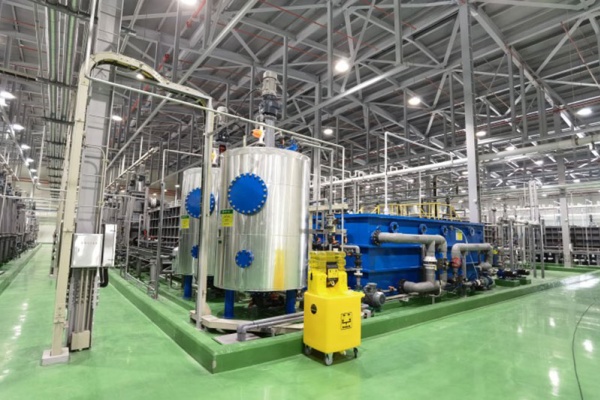
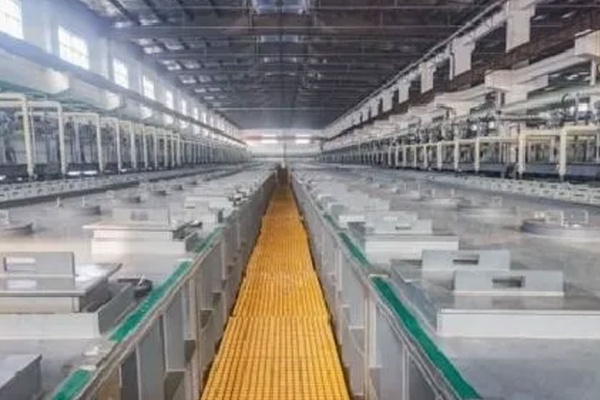
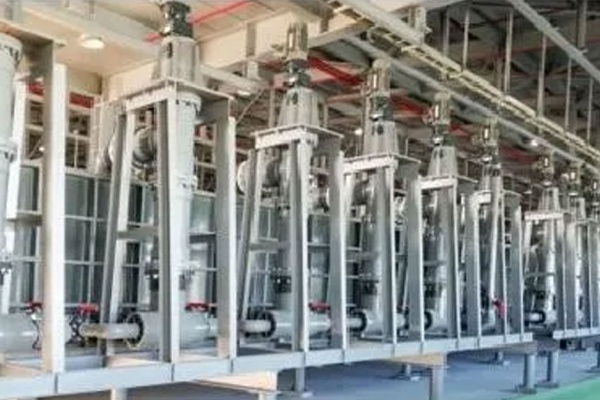
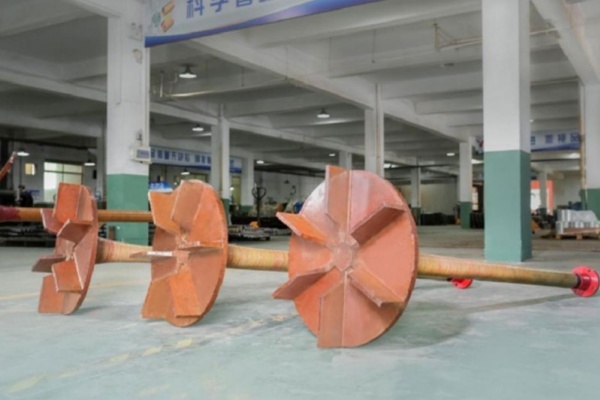
- Attrezzatura per l'estrazione
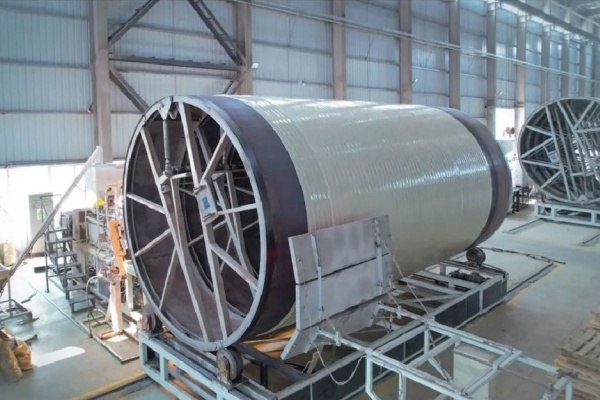
- Serbatoi resistenti alla corrosione
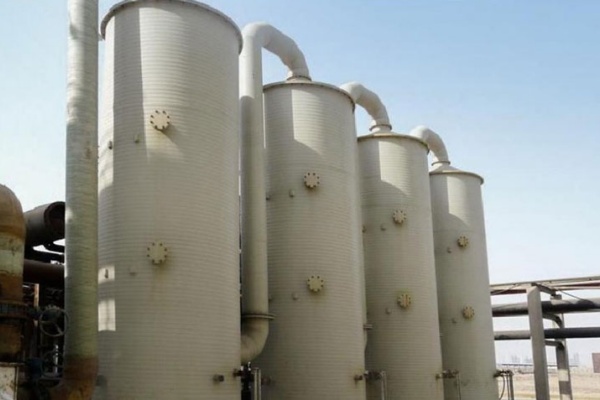
- Sistemi di trattamento dei gas di scarico
- Sistemi di trattamento delle acque reflue
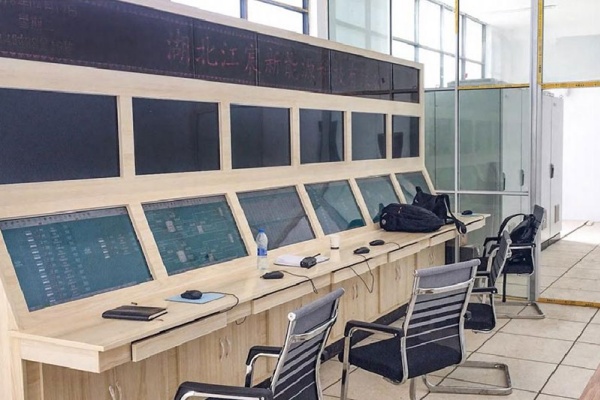
- Automazione elettrica
- PFD and P&ID development
- Ottimizzazione della disposizione del laboratorio
- Installazione e messa in servizio
- Technical training
An integrated engineering approach can connect regulatory requirements, recycling efficiency, environmental control, and practical plant operation within one coordinated system.
Preparing for the Next Stage of Battery Recycling Regulation
Across major battery markets, regulations increasingly share several common objectives: higher recovery rates, stronger traceability, greater producer responsibility, safer waste handling, lower environmental impact, and wider use of recycled materials.
For battery manufacturers, recyclers, and material processors, regulatory compliance is therefore becoming closely connected with process design and equipment performance.
Recycling systems that provide stable separation, high metal recovery, corrosion resistance, environmental treatment, and reliable operational data can help companies respond more effectively to changing requirements in Europe, China, the United States, South Korea, and international markets.
Sustainable battery recycling increasingly depends on traceability, recovery performance, safe treatment, and documented compliance throughout the entire battery supply chain.
 Italiano
  English
  Deutsch
  Français
  Português
  Español