
Improper battery recycling causes metal losses, fire risks, pollution, and rising costs. A well-designed production line safely converts battery waste into reusable materials.
A lithium battery recycling production line works through controlled discharge, dismantling, crushing, physical separation, thermal pretreatment, leaching, solvent extraction, purification, and product recovery. These coordinated stages recover lithium, nickel, cobalt, manganese, graphite, copper, aluminum, steel, and plastics while controlling wastewater, waste gas, dust, and operational risks.
Understanding each stage helps explain how spent batteries are transformed into valuable industrial resources.
Indice dei contenuti
1. Battery Receiving, Inspection, and Classification
The process begins when spent battery cells, modules, packs, and production scrap arrive at the recycling facility. Each batch is recorded according to its source, weight, chemistry, charge level, and physical condition.
Damaged, swollen, leaking, or overheated batteries must be isolated immediately because they may create electrical, chemical, or fire hazards.
The batteries are then classified according to their chemistry, such as:
- Lithium nickel cobalt manganese oxide batteries
- Lithium cobalt oxide batteries
- Lithium iron phosphate batteries
- Mixed production scrap
- End-of-life battery packs
Accurate classification is important because different battery chemistries contain different proportions of lithium, nickel, cobalt, manganese, iron, and other materials. The composition of the feed directly affects the recovery process, reagent consumption, and final product value.
2. Controlled Discharge and Battery Dismantling
Before mechanical treatment, batteries must undergo controlled discharge to reduce their residual electrical energy.
This step helps minimize the risk of:
- Cortocircuiti
- Electrical sparks
- Thermal runaway
- Fire during crushing
- Equipment damage
After discharge, battery packs are dismantled into modules, cells, casings, cables, busbars, cooling components, plastics, and electronic parts.
Depending on the production capacity and battery structure, dismantling may be performed manually, semi-automatically, or through automated equipment. Steel, aluminum, copper, and plastics can often be separated and recovered directly during this stage.
3. Crushing and Physical Separation
The separated battery cells or production scrap are transferred into an enclosed crushing system. The material is reduced to a controlled particle size while dust, electrolyte vapor, and ignition risks are carefully managed.
Some systems operate under a low-oxygen or inert-gas environment to improve safety.
After crushing, the mixed material passes through several physical separation processes, which may include:
- Screening
- Separazione magnetica
- Air classification
- Separazione per gravità
- Density separation
- Metal sorting
These steps separate ferrous metals, plastics, copper foil, aluminum foil, and other structural materials from the active battery material.
The remaining fine powder is commonly called massa nera. It may contain graphite, lithium compounds, nickel, cobalt, manganese, and trace impurities. Its purity, moisture content, and particle size strongly influence the efficiency of downstream chemical processing.
4. Thermal Pretreatment
Some lithium battery recycling lines include a drying, roasting, or thermal decomposition stage before leaching.
Thermal pretreatment can help:
- Remove residual electrolyte
- Decompose organic binders
- Reduce moisture
- Lower organic content
- Improve metal leaching efficiency
- Stabilize the black mass
Temperature, residence time, atmosphere, and energy consumption must be carefully controlled. Excessive heating may increase operating costs, create unnecessary emissions, or cause valuable material losses.
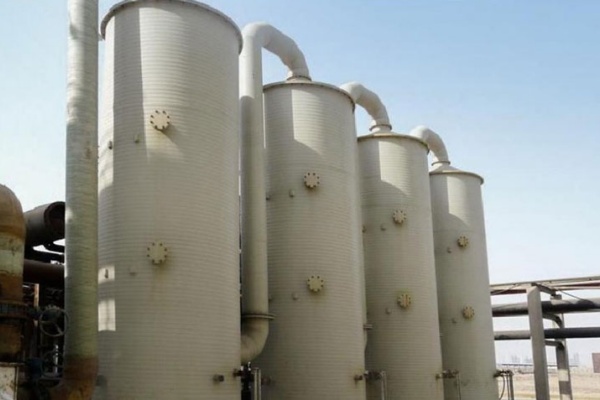
Generated vapors and gases are collected and treated through systems such as washing, mist removal, condensation, or adsorption.
5. Hydrometallurgical Leaching
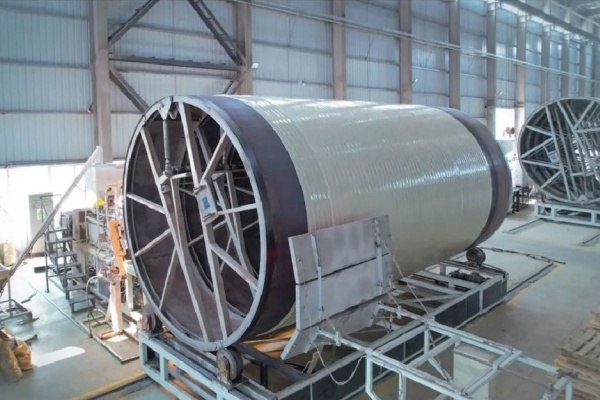
Prepared black mass is transferred into corrosion-resistant leaching reactors.
During leaching, acids, reducing agents, water, and other chemicals are added under controlled conditions. Important operating parameters include:
- Temperatura
- Tempo di reazione
- Agitation speed
- Liquid-to-solid ratio
- Reagent concentration
- pH
The objective is to dissolve valuable metals into the liquid phase while leaving graphite, undissolved solids, and selected impurities in the residue.
For ternary lithium battery materials, the leach solution commonly contains nickel, cobalt, manganese, and lithium ions.
After leaching, filtration separates the metal-rich solution from solid residue. Reactor, pipeline, tank, and pump materials must be selected according to the process temperature, chemical concentration, corrosion level, and mechanical requirements.
6. Solvent Extraction and Solution Purification
The leach solution contains valuable metals together with unwanted impurities. Solvent extraction is used to separate and purify selected metal ions.
During this process, an aqueous phase and an organic phase are mixed to create sufficient contact. Target metals transfer from one phase to another according to the selected extractant and operating conditions.
The phases are then allowed to separate.
A complete solvent extraction section may include:
- Estrazione
- Scrubbing
- Spogliazione
- Organic-phase regeneration
- Aqueous-phase purification
Key operating factors include pH, phase ratio, flow rate, temperature, extractant concentration, mixing intensity, and settling time.
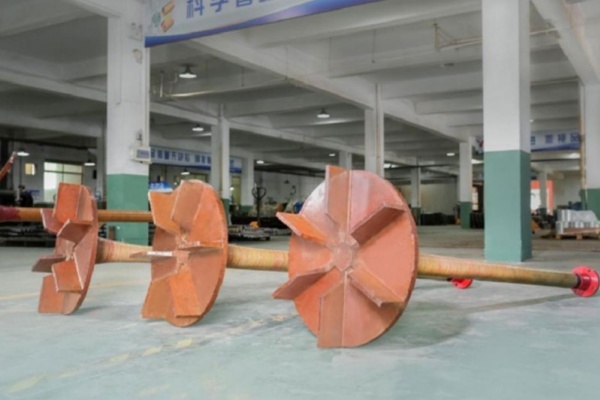
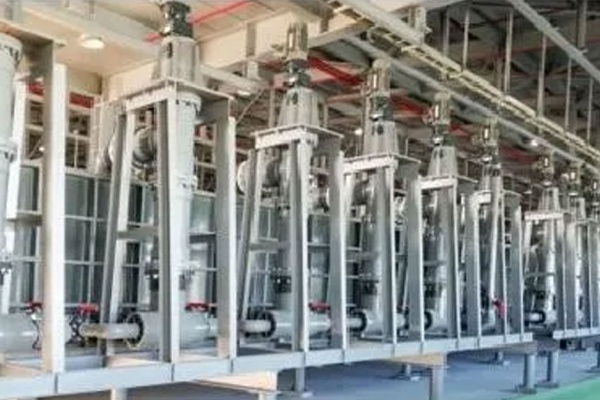
Equipment such as mix settlers or tubular rapid extraction systems can be arranged in multiple stages to achieve the required recovery rate and purity.
Efficient extraction equipment helps reduce phase entrainment, improve mass transfer, shorten processing time, and support stable continuous production.
Micro-interface oil-removal systems may also be used to remove residual organic droplets from aqueous solutions. This helps protect downstream product quality and reduce organic losses.
7. Metal Recovery and Final Product Preparation
After purification, valuable metals are recovered from the solution through processes such as:
- Chemical precipitation
- Evaporazione
- Cristallizzazione
- Elettrofiltrazione
- Scambio ionico
- Concentration and refining
The selected process depends on the required final product.
Possible products include:
- Nickel salts
- Cobalt salts
- Manganese salts
- Carbonato di litio
- Idrossido di litio
- Mixed battery-material precursors
- Metallic copper or cobalt
- Purified graphite products
Precipitated materials are filtered, washed, dried, tested, and packaged.
Crystallization systems must carefully control concentration, temperature, cooling rate, and residence time to produce stable crystal size and product purity.
Final products are tested for chemical composition, moisture, particle properties, and trace impurities before they are released for industrial reuse.
8. Wastewater, Waste Gas, and Residue Treatment
A lithium battery recycling line must also manage wastewater, waste gas, dust, organic vapor, and solid residue.
Wastewater treatment may include:
- Neutralization
- Chemical precipitation
- Filtration
- Oil removal
- Heavy-metal removal
- Water reuse
Waste gas may pass through alkali washing, water washing, condensation, mist elimination, and adsorption before discharge.
Solid residues are analyzed to determine whether they contain recoverable metals or hazardous substances. Effective environmental treatment reduces material loss, supports regulatory compliance, and improves the sustainability of the entire recycling process.
9. Automation and Integrated Production-Line Design
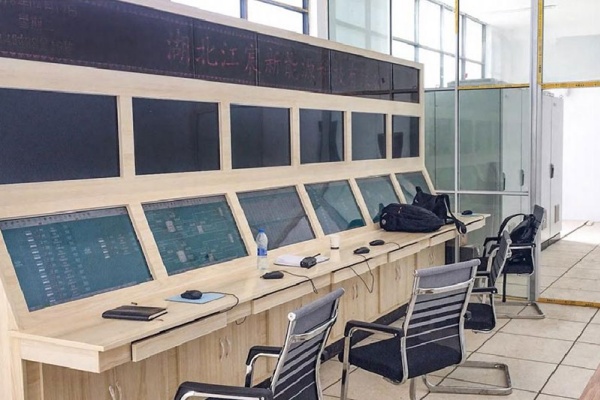
Modern recycling lines use automated control systems to monitor:
- Temperatura
- Flow rate
- Tank level
- Pressure
- pH
- Chemical dosing
- Equipment status
Automated interlocks improve operational safety, while real-time data helps operators respond to changes in battery composition and processing conditions.
TYIC supports integrated lithium battery recycling projects through process design, material balance calculation, equipment selection, layout optimization, automation planning, installation, commissioning, training, and technical documentation.
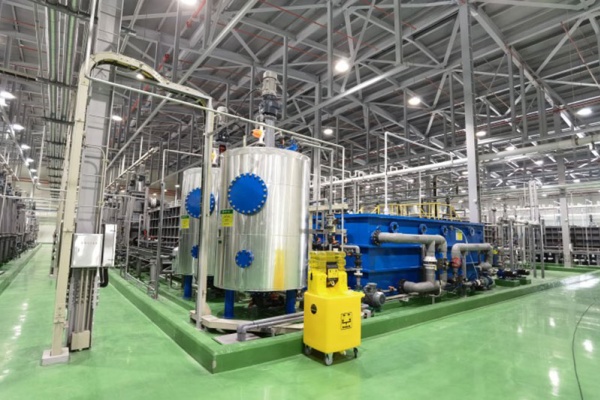
The goal is to connect crushing, leaching, extraction, purification, environmental treatment, and utility systems into a stable and efficient production line.
A complete lithium battery recycling line combines safe pretreatment, efficient metal separation, precise refining, automation, and environmental control.
 Italiano
  English
  Deutsch
  Français
  Português
  Español