
Indice dei contenuti
1. Ci sarà un'incombente carenza di litio?
La domanda globale di litio è in rapida ascesa, soprattutto a causa della diffusa adozione di batterie agli ioni di litio nei veicoli elettrici, nei sistemi di stoccaggio dell'energia e nell'elettronica portatile.
Allo stesso tempo, il lato dell'offerta è sotto pressione: le tradizionali operazioni di estrazione del litio devono affrontare vincoli geologici, ambientali e normativi. Molti analisti ritengono che il mercato potrebbe subire un significativo gap di offerta, in cui il estrazione di batterie al litio La domanda supera l'estrazione e la lavorazione dei composti di litio.
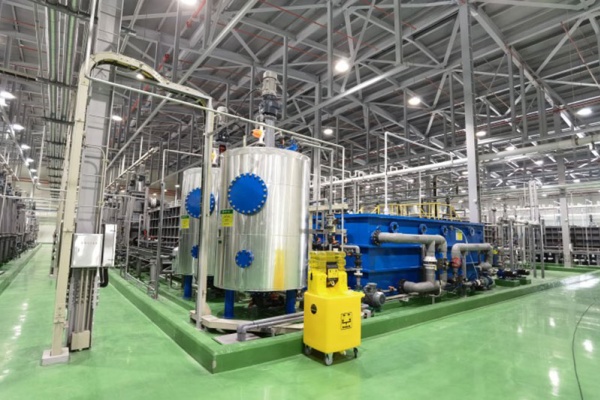
Per produttori come Hangzhou Tianyicheng New Energy Technology Co., Ltd. (TYIC) - che offre attrezzature per l'estrazione e sistemi di rimozione del petrolio - questa carenza rappresenta sia una sfida che un'opportunità. Da un lato, i clienti si preoccupano della scarsità di materie prime e delle impennate dei prezzi; dall'altro, i produttori di attrezzature che supportano un'estrazione e una lavorazione efficienti si trovano in una posizione privilegiata per trarne vantaggio.
Il rischio di un deficit strutturale di litio è reale, con varie regioni che devono affrontare ritardi nei permessi, problemi di scarsità d'acqua e bassi gradi di minerale, e le aziende della catena di approvvigionamento lo stanno osservando da vicino.
2. Quali sono le principali applicazioni e i segmenti di mercato del litio?
Il ruolo principale del litio è nelle batterie ricaricabili, soprattutto per i veicoli elettrici (EV) e i sistemi di accumulo di energia (ESS). Tuttavia, le sue applicazioni vanno ben oltre le batterie.
Questi includono ceramiche, additivi per il vetro, leghe aerospaziali e lubrificanti industriali. Nel settore delle batterie, le case automobilistiche che acquistano materiali per catodi e precursori richiedono materie prime affidabili per il litio, un'area in cui operano i clienti di TYIC.
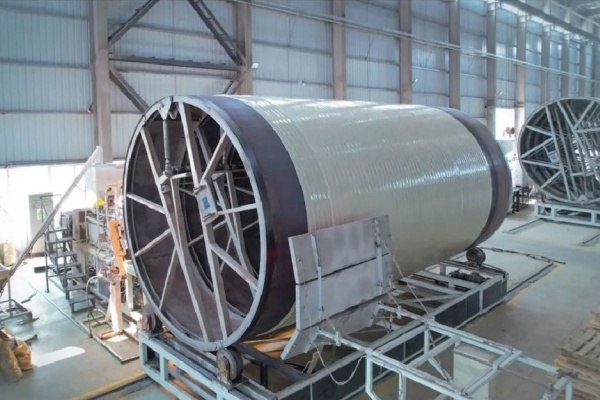
Anche i settori della protezione ambientale utilizzano le tecnologie legate al litio nel trattamento delle acque reflue e dei gas. In questo caso, i serbatoi e i moduli di estrazione resistenti alla corrosione di TYIC aiutano a gestire in modo sicuro ed efficiente gli effluenti contenenti litio.
I segmenti di mercato comprendono i produttori di batterie per veicoli elettrici, gli integratori ESS, l'elettronica di consumo e le società minerarie. Man mano che un numero sempre maggiore di Paesi implementa standard di emissione più severi e obiettivi di energia rinnovabile, la domanda di litio in tutti questi settori continua a crescere.
3. Quali composti del litio dominano il mercato attuale?
Il mercato dei composti del litio comprende carbonato di litio, idrossido di litio, cloruro di litio e litio metallico.
Carbonato di litio è ampiamente utilizzato nella produzione di precursori di catodi. Idrossido di litio è preferito nelle batterie NMC e NCA ad alto tenore di nichel. Cloruro di litio è un precursore per prodotti chimici speciali, e litio metallico è in fase di sviluppo per le batterie allo stato solido.
La complessità e la purezza richieste per ogni composto influiscono sulla loro lavorazione e sul prezzo. Per TYIC, ciò significa personalizzare le apparecchiature di estrazione e separazione per soddisfare i requisiti specifici del composto, utilizzando anche materiali resistenti alla corrosione e layout di processo precisi.
Con la diffusione di prodotti chimici ad alte prestazioni come l'NMC811, la domanda di idrossido di litio è in aumento. Ciò mette sotto pressione l'estrazione a monte per produrre prodotti di maggiore purezza.
La crescente diversità dei composti del litio richiede sistemi di estrazione flessibili e ad alte prestazioni, un punto di forza del portafoglio di apparecchiature TYIC.
4. Come si confrontano i diversi tipi di batterie al litio?
Il panorama delle batterie al litio è vario: ogni tipo serve mercati diversi e richiede materiali diversi.
I tipi più comuni sono:
-
Ossido di litio e cobalto (LCO) - utilizzati nell'elettronica di consumo,
-
Ossido di litio e manganese (LMO) e Ossido di nichel manganese cobalto (NMC) al litio - comune nei veicoli elettrici,
-
Ossido di alluminio nichel cobalto e litio (NCA) - batterie ad alta densità energetica,
-
Fosfato di litio e ferro (LFP) - più sicuro e meno costoso, e
-
Tipi emergenti come il litio-zolfo e il litio-aria.
Ogni tipo di batteria ha esigenze specifiche in termini di materie prime. Ad esempio, le chimiche NMC e NCA richiedono idrossido di litio di elevata purezza, mentre le LFP utilizzano più carbonato di litio.
Questo ha un impatto sulla estrazione di batterie al litio catena di approvvigionamento e processi di riciclaggio. Per TYIC, che produce sistemi di estrazione e trattamento dei rifiuti, adattarsi a queste differenze è fondamentale.
Le loro attrezzature modulari e personalizzabili consentono di gestire in modo efficiente materie prime e chimiche diverse per le batterie.
5. Quali sono le diverse tecnologie per l'estrazione del litio?
Il litio può essere estratto attraverso:
-
Estrazione di roccia dura (ad esempio, lo spodumene),
-
Estrazione della salamoia (da laghi salati),
-
Recupero della salamoia geotermica, e
-
Estrazione diretta del litio (DLE) metodi come lo scambio ionico o l'estrazione con solventi.
Anche il riciclaggio delle batterie agli ioni di litio esauste e l'estrazione del litio dalle acque reflue industriali sono segmenti in crescita.
I metodi di estrazione da roccia dura producono gradi più elevati, ma richiedono più energia. La salamoia è più economica ma più lenta. Il DLE è più veloce ed ecologico, anche se ancora in fase di sviluppo.
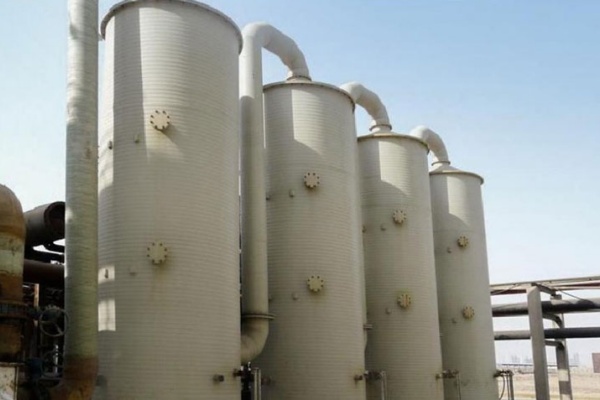
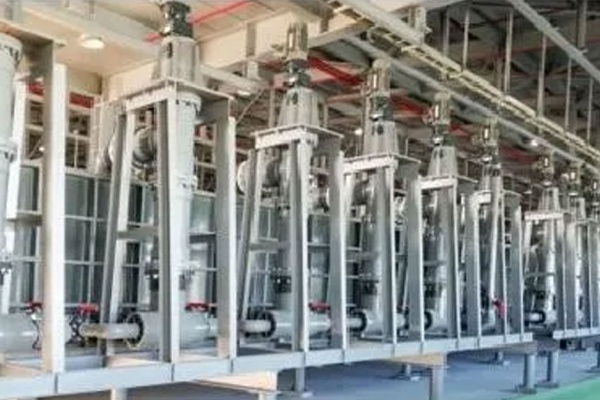
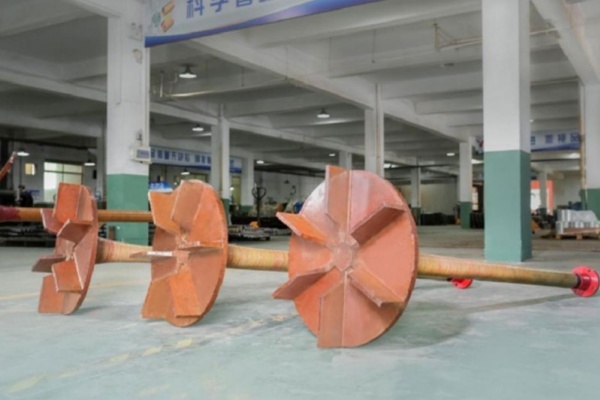
In qualità di società EPC, TYIC fornisce attrezzature che supportano tutti questi metodi, dagli estrattori a miscelazione tubolare ai sistemi di rimozione del petrolio a microinterfaccia e ai serbatoi di stoccaggio resistenti alla corrosione.
Con l'evoluzione delle tecnologie, in particolare nel riciclaggio del litio, la capacità di TYIC di offrire soluzioni su misura, ingegneria chimica avanzata e sistemi di trattamento ambientale sarà sempre più richiesta.
6. Quali sono le prospettive del settore e quali previsioni si possono fare?
L'industria del litio sta entrando in una fase di espansione a lungo termine, ma non senza volatilità.
I veicoli elettrici, lo stoccaggio in rete e l'elettronica portatile continueranno ad alimentare la domanda. La maggior parte degli analisti prevede un divario tra domanda e offerta, a meno che non vengano accelerati nuovi progetti minerari, sistemi di riciclaggio e tecnologie di estrazione.
Questa tendenza va a vantaggio di aziende come TYIC che supportano la scalabilità dei processi e la conformità ambientale attraverso apparecchiature avanzate.
L'aumento del riciclaggio del litio, le leggi ambientali più severe e la spinta verso una maggiore purezza modificheranno le modalità di approvvigionamento e lavorazione del litio.
Tuttavia, le sfide rimangono: la lentezza delle autorizzazioni, i rischi geopolitici e la necessità di scalare le tecnologie di estrazione diretta del litio e di riciclaggio delle batterie.
La forte enfasi di TYIC sulla personalizzazione, l'efficienza e l'integrazione ambientale le garantisce una buona posizione per servire sia i progetti tradizionali che quelli futuri sul litio a livello globale.
Sintesi
Il mercato del litio è in rapida evoluzione. Con l'aumento della domanda, i cambiamenti tecnologici e le sfide ambientali, le aziende che offrono sistemi di estrazione scalabili ed efficienti, come TYIC, sono pronte a guidare la prossima fase dello sviluppo del litio.
 Italiano
  English
  Deutsch
  Français
  Português
  Español