
Battery manufacturers and recyclers face metal loss, environmental risks, and rising compliance costs. Without efficient processing systems, profitability declines and sustainability goals become difficult to achieve. Advanced lithium processing and battery recycling solutions help recover valuable materials, improve efficiency, and support regulatory compliance.
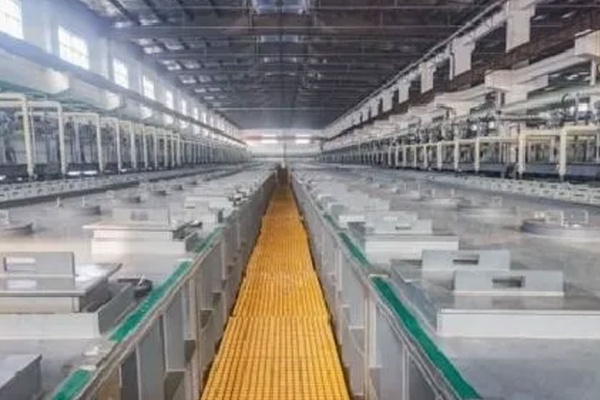
Lithium processing and battery recycling solutions are essential for recovering lithium, nickel, cobalt, manganese, and other valuable metals from spent batteries. Advanced extraction technologies, corrosion-resistant equipment, and integrated environmental protection systems improve recovery rates, reduce operational costs, ensure environmental compliance, and support the growing circular economy of the global battery industry.
As battery demand continues to grow worldwide, efficient recycling technologies have become a strategic requirement for long-term industry development.
Table of Contents
Why Lithium Processing and Battery Recycling Matter
The rapid expansion of electric vehicles (EVs), energy storage systems (ESS), and consumer electronics has significantly increased demand for lithium-ion batteries. As millions of batteries reach the end of their service life, the industry faces a critical challenge: how to recover valuable materials efficiently while minimizing environmental impact.
Battery recycling not only reduces dependence on primary mining operations but also helps stabilize the supply of critical raw materials. Recovered lithium, cobalt, nickel, and manganese can be reintroduced into battery manufacturing, creating a sustainable circular economy.
Modern lithium processing facilities are designed to maximize resource recovery while meeting increasingly strict environmental regulations. This requires advanced technologies capable of handling complex chemical processes and highly corrosive operating conditions.
Key Challenges in Battery Recycling Operations
Battery recycling facilities encounter several operational challenges:
- Complex material separation processes
- High corrosion risks from chemical solutions
- Wastewater and waste gas treatment requirements
- Metal recovery efficiency optimization
- Strict environmental compliance standards
- Rising operational and maintenance costs
Traditional equipment often struggles to maintain long-term reliability under aggressive chemical environments. Equipment failure can lead to production interruptions, increased maintenance expenses, and reduced recovery efficiency.
Therefore, selecting the right processing technology and corrosion-resistant equipment is essential for achieving stable and profitable operations.
Advanced Lithium Processing Technologies
Modern lithium processing systems utilize sophisticated extraction and separation technologies to maximize metal recovery.
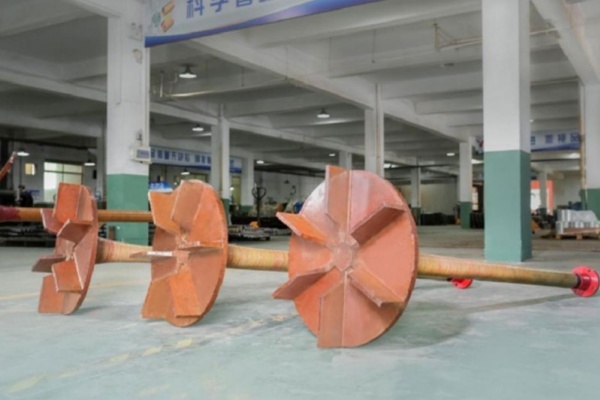
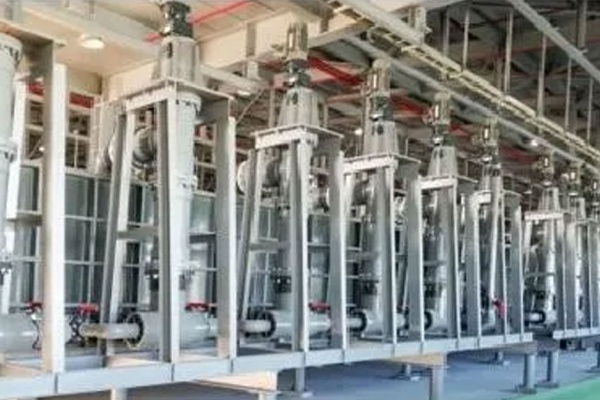
Tubular Mixing Extraction Systems
Tubular mixing extractors are widely used in hydrometallurgical processes for separating valuable metals from leach solutions. Compared with conventional extraction equipment, these systems offer several advantages:
- Enhanced mass transfer efficiency
- Improved phase separation performance
- Reduced energy consumption
- Compact equipment footprint
- Stable continuous operation
The optimized mixing environment allows efficient contact between aqueous and organic phases, resulting in higher extraction rates and improved process control.
Micro-Interface Oil Removal Systems
Many battery recycling processes generate impurities that can affect downstream operations. Micro-interface oil removal systems help eliminate contaminants, improving process stability and protecting critical equipment.
Benefits include:
- Improved product purity
- Reduced maintenance requirements
- Enhanced operational reliability
- Higher overall recovery efficiency
These technologies contribute to smoother processing operations and more consistent production results.
Importance of Corrosion-Resistant Equipment
Lithium processing facilities operate under highly corrosive conditions involving acids, alkalis, and various chemical reagents. Equipment durability directly impacts operational efficiency and long-term profitability.
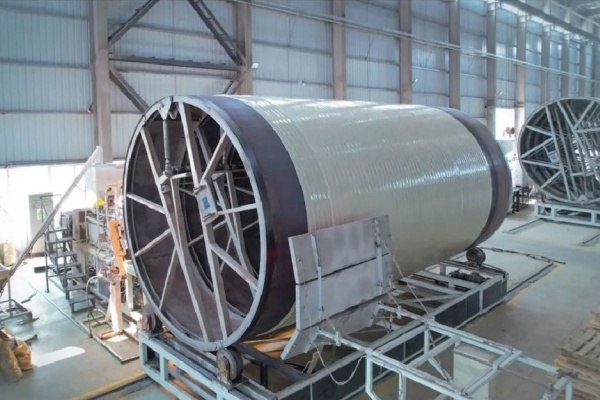
Corrosion-Resistant Storage Tanks
PPH and HDPE storage tanks provide excellent resistance to aggressive chemicals commonly used in battery recycling operations.
Key advantages include:
- Outstanding corrosion resistance
- Long service life
- Low maintenance requirements
- Excellent chemical compatibility
- Cost-effective operation
These tanks are widely utilized for chemical storage, process solutions, and wastewater management systems.
Chemical Process Equipment
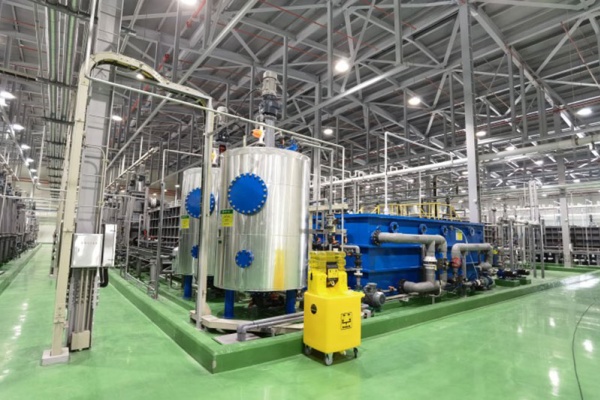
Corrosion-resistant process equipment ensures safe and reliable operation throughout the recycling process. Proper material selection helps reduce downtime and supports consistent production performance.
Customized engineering solutions can further optimize equipment layouts and improve plant efficiency.
Environmental Protection Systems for Sustainable Operations
Environmental compliance has become a major focus within the battery recycling industry. Effective treatment systems are necessary to manage emissions and wastewater generated during processing activities.
Wastewater Treatment Solutions
Advanced wastewater treatment systems help facilities:
- Meet environmental discharge standards
- Recover valuable process materials
- Reduce water consumption
- Improve sustainability performance
Integrated treatment technologies can significantly lower environmental impact while supporting operational efficiency.
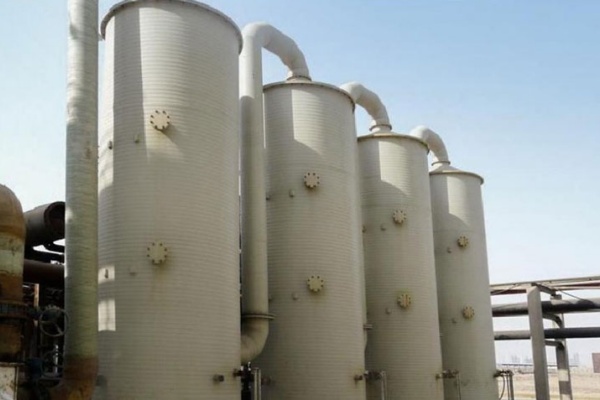
Waste Gas Treatment Systems
Battery recycling processes may generate harmful gases and volatile compounds. Modern waste gas treatment systems provide:
- Emission reduction
- Regulatory compliance
- Improved workplace safety
- Environmental protection
Efficient treatment technologies enable facilities to maintain sustainable operations while meeting strict environmental requirements.
Benefits of Integrated Lithium Processing Solutions
An integrated approach combining extraction technology, corrosion-resistant equipment, and environmental protection systems delivers significant advantages:
- Higher metal recovery rates
- Reduced operating costs
- Improved production efficiency
- Enhanced equipment reliability
- Regulatory compliance
- Long-term sustainability
Customized engineering solutions also allow facilities to adapt to varying feed materials and production requirements.
As battery recycling volumes continue to increase globally, integrated systems will play an increasingly important role in maximizing resource recovery and supporting circular economy initiatives.
Future Outlook for the Battery Recycling Industry
The global transition toward electrification is expected to drive substantial growth in battery recycling capacity. Governments and manufacturers are increasingly investing in recycling infrastructure to secure critical material supplies and reduce environmental impact.
Advanced lithium processing technologies, combined with robust environmental protection systems, will remain essential for achieving these objectives. Companies that adopt efficient, reliable, and sustainable recycling solutions will be better positioned to meet future market demands and regulatory expectations.
Efficient lithium processing and battery recycling solutions improve metal recovery, reduce environmental impact, and support sustainable growth across the battery industry.
 English
  Deutsch
  Français
  Português
  Español
  Italiano