
⚠️ Discarded Li-ion batteries waste nickel, cobalt, lithium, and manganese; inefficient recovery increases resource loss, cost pressure, and environmental risk. Advanced hydrometallurgical recycling provides a practical solution.
Recovering valuable materials from spent Li-ion batteries means extracting metals such as lithium, nickel, cobalt, and manganese through controlled recycling and refining processes, then converting them into reusable battery-grade materials. This improves resource efficiency, reduces waste, lowers dependence on virgin mining, and supports a more stable and sustainable battery supply chain.
Table of Contents
Why It Matters
➡️ Efficient recovery technology is becoming essential for recyclers, battery manufacturers, and metal processors.
The Growing Value of Spent Li-Ion Batteries
The rapid expansion of electric vehicles and energy storage systems has made spent lithium-ion batteries an increasingly valuable secondary resource. Rather than being treated as ordinary industrial waste, end-of-life batteries are now recognized as an important source of strategic metals. This shift is significant because the materials inside these batteries often require substantial cost, energy input, and environmental burden to obtain from traditional mining.
When recovery is inefficient, the consequences extend far beyond simple material loss. Valuable metals are wasted, supply chain pressure increases, and manufacturers remain more dependent on volatile raw material markets. At the same time, improper disposal can create environmental risks that make compliance more difficult for recyclers and processors. For this reason, recovering valuable materials from spent batteries is no longer only an environmental issue — it is also an economic and strategic priority.
Key Challenges in Material Recovery
Recovering materials from spent batteries is far more complex than basic dismantling. Different battery chemistries, structures, and feed conditions create major variations in how recovery systems perform. In industrial recycling, each stage must be carefully controlled to ensure both efficiency and product quality.
Critical processing stages include:
- Pretreatment
- Leaching
- Solvent extraction
- Impurity removal
- Separation
- Refining
If any stage becomes unstable, the result may include low recovery rates, poor purity, higher operating costs, and inconsistent output quality. These issues directly affect the commercial value of a recycling project. For companies in lithium battery recycling, non-ferrous metal processing, and battery material manufacturing, the real challenge is achieving reliable recovery at industrial scale while maintaining efficiency, consistency, and profitability.
Why Process Integration Matters
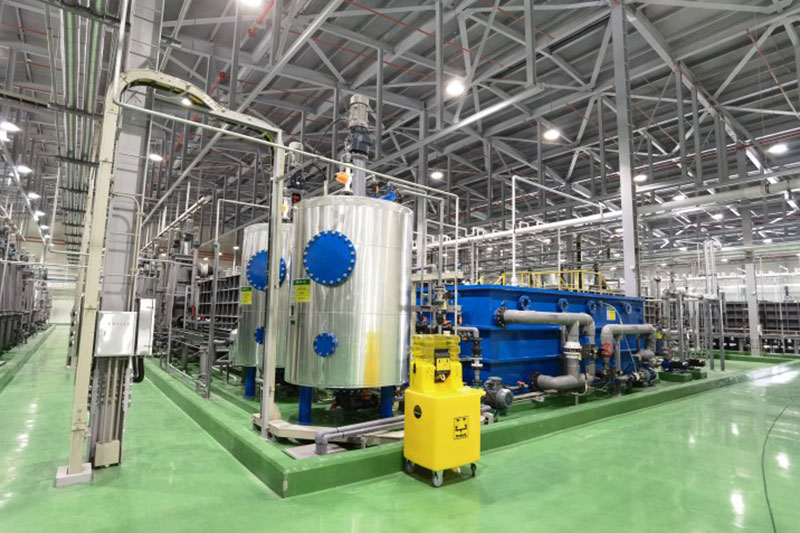
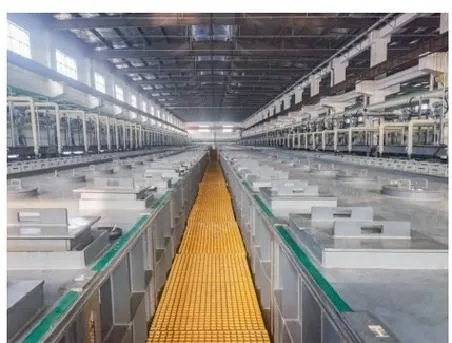
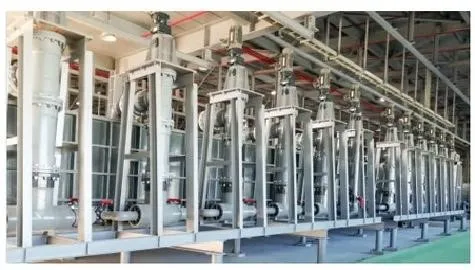
A practical solution lies in combining process engineering, specialized extraction equipment, and environmental protection systems into one coordinated recovery line. In a well-designed hydrometallurgical system, valuable metals can be selectively separated from complex feedstocks and then converted into compounds suitable for reuse in battery manufacturing.
This is particularly important for the recovery of:
- Nickel
- Cobalt
- Manganese
- Lithium
These metals are essential to the production of high-performance battery materials. However, successful recovery depends on more than chemistry alone. It also requires careful attention to equipment design, process integration, material compatibility, and system stability. A technically sound process can still underperform if the production line is poorly configured or if individual systems do not work together efficiently.
The Advantage of Complete Engineering Solutions
Industrial buyers increasingly prefer suppliers that can provide more than standalone equipment. Instead of purchasing isolated machines, they are looking for complete solutions that cover the full project lifecycle.
Important capabilities often include:
- Process design
- Equipment manufacturing
- Layout optimization
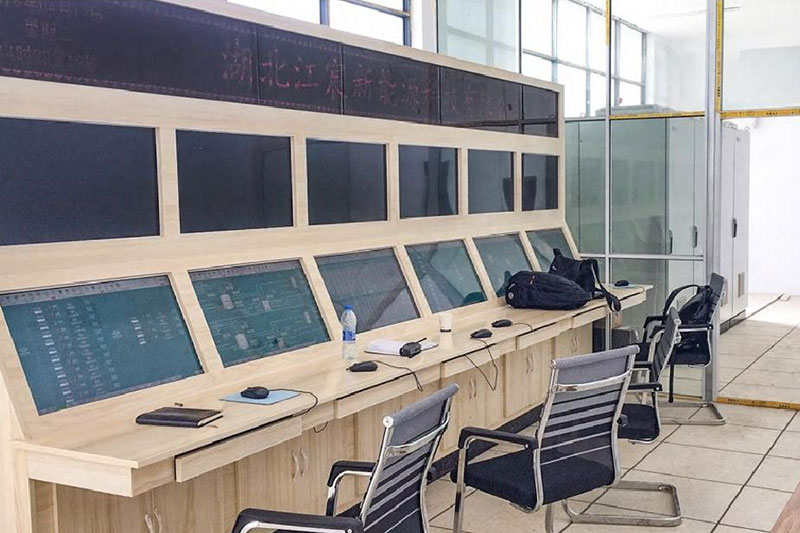
- Automation integration
- Installation support
A coordinated engineering approach helps reduce connection problems between different process stages, shortens commissioning time, and improves long-term operating reliability. It also gives project owners better control over investment efficiency, delivery schedules, and future expansion planning. In large-scale recycling projects, this integrated approach can make the difference between a line that operates steadily and one that struggles with repeated adjustment and downtime.
TYIC’s Role in Battery Material Recovery
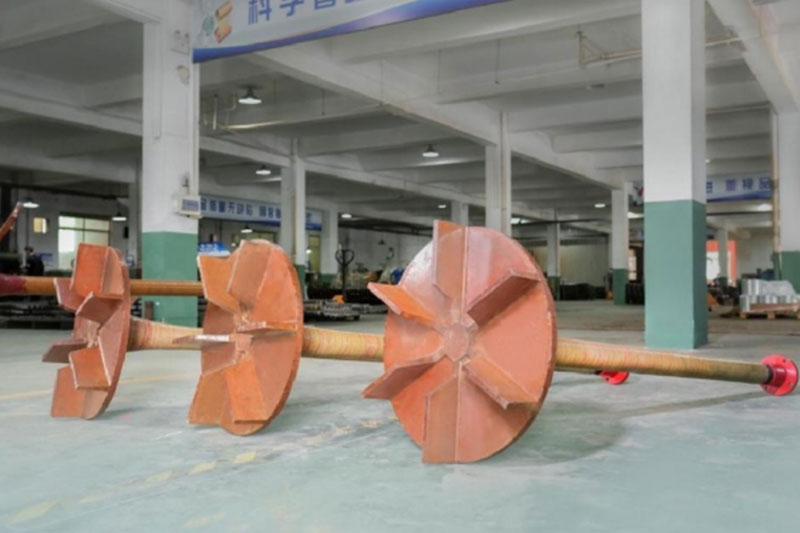
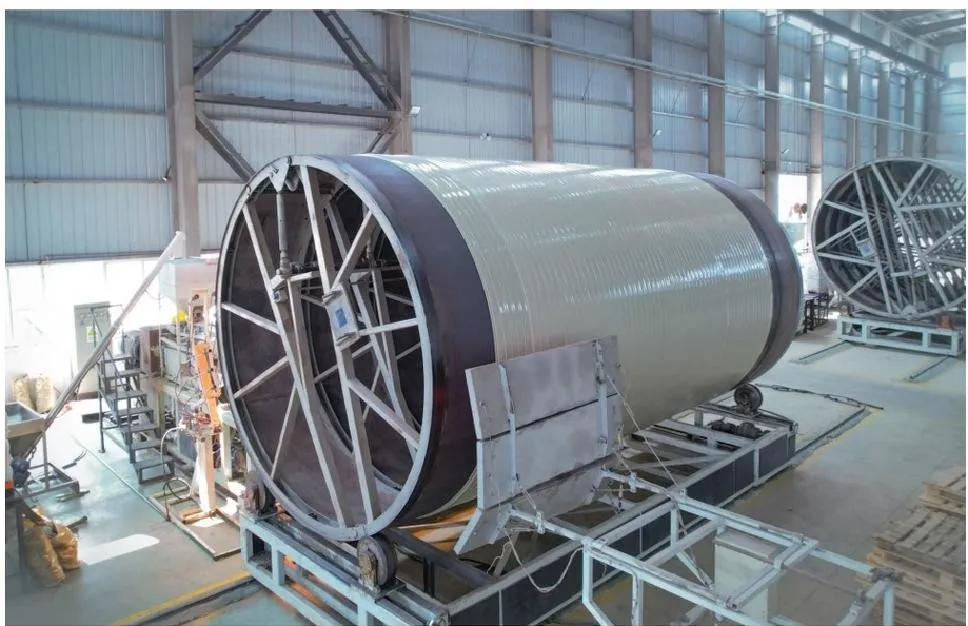
In this context, TYIC’s capabilities align with the broader needs of the market. The company focuses on design, manufacturing, and installation services for industrial systems related to extraction, mixing, corrosion resistance, and environmental protection. In battery recycling applications, its experience in leaching and extraction production line design supports the recovery of valuable metals from spent lithium-ion batteries and their conversion into battery-grade materials.
This capability is supported by a multidisciplinary engineering team covering:
- Chemical process design
- Mechanical systems
- Electrical control
- Project coordination
Such integrated technical support allows solutions to be tailored to specific customer requirements, material systems, and plant conditions. For industrial customers, customization is especially important because feedstock composition, capacity targets, and compliance requirements often differ from project to project.
The Importance of Stable Production and Environmental Control
Another key factor in valuable material recovery is production consistency. Even when the recovery route is technically sound, weak coordination in manufacturing and project execution can affect final performance. Industrial recycling systems require stable raw material handling, strict quality control, organized assembly, and reliable production planning. Effective production management helps avoid delays, reduces operational disorder, and supports smoother commissioning.
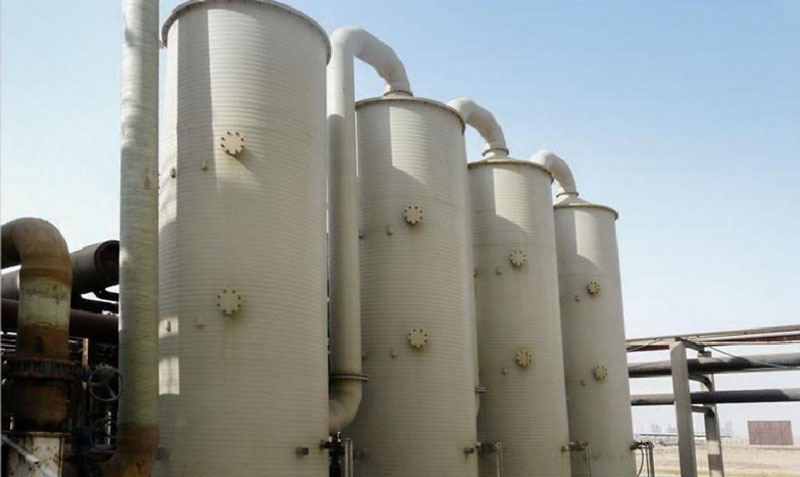
Environmental performance is equally important. Recovering battery materials should not create new pollution challenges. Advanced systems therefore need to integrate wastewater treatment, waste gas treatment, corrosion-resistant materials, and safe process design into the overall solution. When recovery equipment and environmental systems are planned together, operators can improve compliance, reduce secondary treatment costs, and strengthen the sustainability profile of the facility.
As global markets place more emphasis on ESG expectations, resource security, and circular manufacturing, demand for high-efficiency battery recycling systems will continue to rise. Enterprises that can combine recovery efficiency with environmental responsibility will be better positioned for long-term growth.
Conclusion
✅ Efficient recovery transforms spent batteries into strategic resources, supporting profitability, sustainability, and a stronger circular supply chain for battery materials.
 English
  Deutsch
  Français
  Português
  Español
  Italiano