
If spent lithium batteries are not separated thoroughly, they can cause metal loss, purity fluctuations, and environmental pressure; once these problems escalate, companies may face shrinking profits and compliance risks. Solvent extraction is the key solution.
Solvent extraction in lithium battery recycling is a critical process used after leaching to selectively separate valuable metals such as nickel, cobalt, manganese, and lithium. By controlling extractants, pH, and extraction stages, it enables the production of high-purity battery-grade products, improves recovery efficiency, and supports the development of a circular battery materials economy.
The core competitiveness of battery recycling lies not only in how much metal is recovered, but in how efficiently it is separated and converted into stable, high-value products.
Table of Contents
◆ Why Solvent Extraction Is So Important in Lithium Battery Recycling
As the lithium battery recycling industry continues to grow, the market focus has gradually shifted from simple metal recovery to high-purity, battery-grade material regeneration. This means recycling companies must do more than improve resource recovery rates. They also need to achieve higher standards in process stability, product consistency, and large-scale operational capability. Under this trend, solvent extraction has become one of the most critical steps in the lithium-ion battery recycling process.
In a typical recycling flow for retired power batteries, the process usually involves disassembly, crushing, roasting, leaching, extraction, evaporation, crystallization, electrowinning, and precipitation. Among these stages, solvent extraction is responsible for the selective separation of metals and directly affects whether nickel, cobalt, manganese, and lithium can enter different high-value product streams. If this step is not properly controlled, cross-contamination between metals may increase, downstream purification costs may rise, and the market value of the final products may decline.
⚙️ ◆ The Basic Principle of Solvent Extraction
The core principle of solvent extraction is the selective transfer of metal ions between two immiscible liquid phases, usually an aqueous phase and an organic phase. After black mass or intermediate materials from spent lithium batteries go through leaching, the resulting solution often contains multiple metal ions at the same time. By selecting suitable extractants and precisely controlling acidity, phase ratio, extraction stages, and stripping conditions, target metals can be separated and concentrated step by step.
This process is essential because the recycling industry does not simply need metal-containing intermediates. What the market truly demands are high-purity battery-grade compounds that can be further used in cathode material production. For downstream customers, product purity, consistency, and stability directly affect formulation design and material performance. For this reason, solvent extraction is not only a separation method, but also an important bridge between resource recovery and high-value utilization.
▸ Key Technical Focus
- Selective separation of multiple metals
- Stable control of pH and extraction stages
- Production of battery-grade compounds
- Improved recovery efficiency and purity consistency
🔍 ◆ The Practical Challenges Faced by Recyclers
For lithium battery recyclers, the real difficulty is not just extracting metals, but doing so in a way that ensures commercial viability, process controllability, and long-term stability. Different batches of raw materials may come from different battery chemistries, collection channels, and pretreatment conditions, so feed composition often fluctuates significantly.
These fluctuations directly affect the performance of the extraction system. If the process design lacks flexibility and specificity, problems such as lower separation efficiency, unstable product purity, higher reagent consumption, and increased operating costs may occur. Therefore, in modern lithium battery recycling projects, customized process design has become a key factor in improving recovery quality and ensuring stable long-term operation.
Especially when the proportions of nickel, cobalt, manganese, and lithium vary widely depending on feed sources, a single fixed process route is often unable to meet the needs of different projects. Only an extraction system with strong adaptability can respond effectively to complex operating conditions while maintaining high metal recovery rates and reliable product quality.
▸ Main Challenges
- Feed composition fluctuation
- Unstable product purity
- Higher reagent consumption
- Rising operating costs
- Limited adaptability of fixed process routes
🏭 ◆ Solvent Extraction Is Not an Isolated Unit, but a Systematic Engineering Process
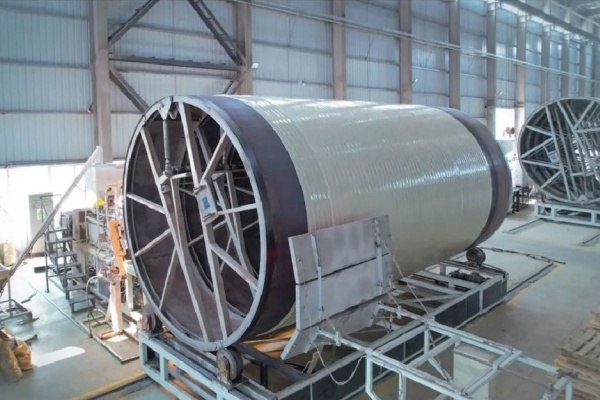
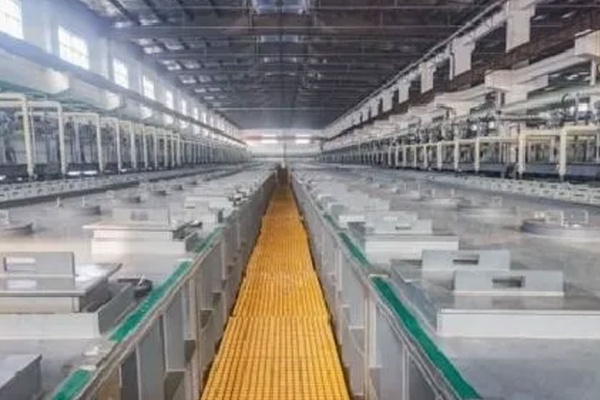
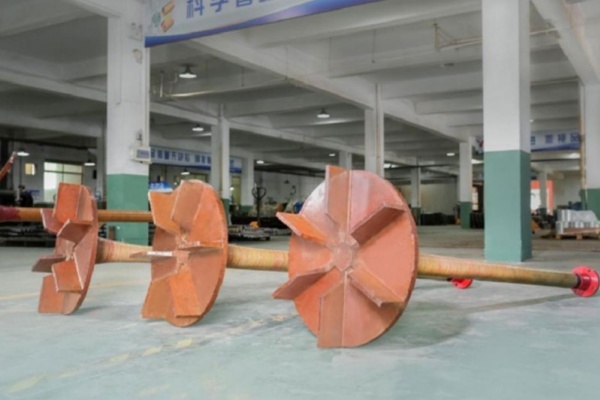
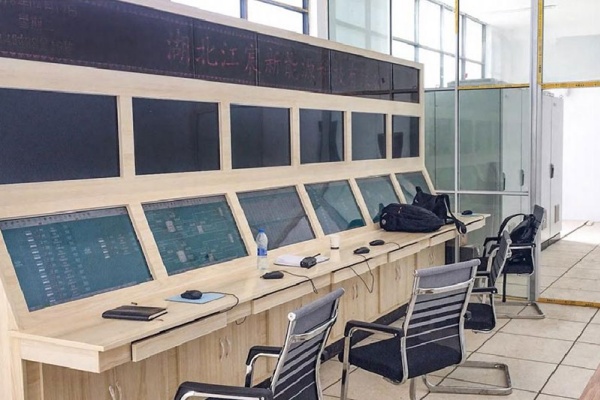
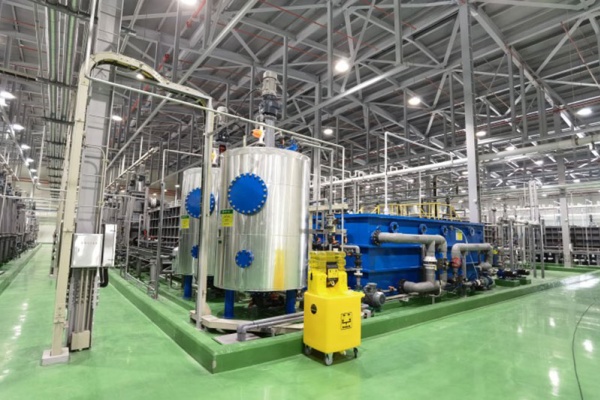
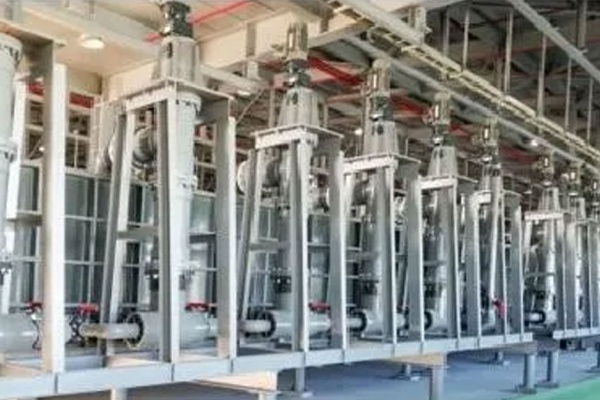
In industrial applications, solvent extraction is never a standalone unit. It must work in stable coordination with the leaching system, storage tank system, mixing equipment, extraction equipment, oil removal system, electrical control system, and downstream purification units in order to fully deliver its process advantages.
This also means that extraction performance depends not only on the chemical system itself, but also on equipment structure, fluid control, workshop layout, pipeline design, and automation level. A well-designed system can maintain metal separation efficiency while also reducing energy consumption, lowering failure rates, and improving the continuity and safety of the entire production line.
▸ A Complete Production Line Should Focus On
- Process route design
- Equipment configuration optimization
- Workshop layout coordination
- Pipeline and flow control
- Automation integration design
- Installation, commissioning, and operational training
Although these factors may appear separate, they are in fact closely connected. Any deviation in one part may affect the final performance of the whole extraction system.
🚧 ◆ Common Problems in Industrial Implementation
Many lithium battery recycling projects do not fail at the theoretical process design stage. Instead, problems often appear during practical implementation and continuous operation. For example, some production lines may experience uneven mixing, poor phase separation, unstable flow control, long commissioning cycles, or insufficient operator experience.
Once these issues emerge, they can weaken the separation advantages that solvent extraction is supposed to provide, making it difficult for the system to achieve its design targets. Even when extractant selection is appropriate, poor equipment matching or inadequate operational control can still result in fluctuating product purity, increased metal loss, and higher operating costs.
Therefore, from a project construction perspective, the successful implementation of solvent extraction requires not only a mature separation strategy, but also full coordination among design, manufacturing, installation, commissioning, training, and operation management. Only by truly integrating process design with engineering execution can laboratory concepts be transformed into stable industrial capacity.
▸ Common Operational Risks
- Uneven mixing
- Poor phase separation
- Unstable flow control
- Long commissioning periods
- Insufficient operator training
🌱 ◆ Environmental Value and Commercial Value Rise Together
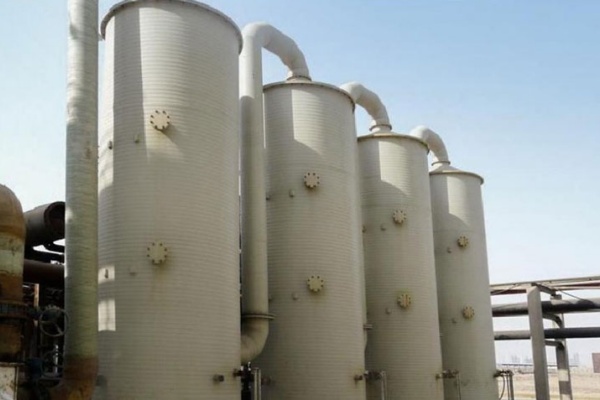
The significance of solvent extraction in lithium battery recycling has already gone far beyond simple metal separation. Modern recycling plants must focus not only on metal recovery rates, but also on waste gas treatment, wastewater treatment, and the use of corrosion-resistant materials to meet environmental and safety requirements. Since extraction systems usually operate in highly corrosive chemical environments, equipment material selection and environmental control capability are equally important.
From a commercial perspective, as the global new energy industry continues to expand, demand for recycled metals and battery-grade raw materials is steadily increasing. The companies that can separate metals more efficiently and consistently produce high-purity products will be better positioned in the circular battery materials supply chain. For recyclers, solvent extraction not only improves resource utilization efficiency, but also enhances product added value and market competitiveness.
More importantly, solvent extraction is helping the industry move from a traditional waste treatment model to a high-value resource regeneration model. This shift not only aligns with the direction of green manufacturing and the circular economy, but also enables lithium battery recycling to evolve from a cost center into a value creation center.
▸ Core Value Highlights
- Higher separation efficiency
- More stable product quality
- Better environmental compliance
- Greater commercial competitiveness
- Stronger support for circular economy goals
✅ ◆ Conclusion
Solvent extraction is reshaping the value chain of lithium battery recycling through more efficient separation, more stable product quality, and stronger industrial adaptability.
 English
  Deutsch
  Français
  Português
  Español
  Italiano