
Spent lithium-ion batteries create resource waste, safety risks, and environmental pressure. If recycling remains inefficient, valuable metals will continue to be lost; advanced recycling technologies now offer a more sustainable solution.
Lithium-ion battery recycling has evolved from basic disposal and low-efficiency recovery into an industrial system centered on the high-purity extraction of nickel, cobalt, manganese, and lithium. Today, advanced recycling systems integrate dismantling, crushing, leaching, extraction, purification, and environmental control to reduce waste, recover strategic resources, and strengthen the circular battery supply chain.
Understanding this evolution helps explain why battery recycling is becoming a critical part of the new energy industry.
Table of Contents
From Waste Treatment to Resource Recovery
In the early stage of the industry, lithium-ion battery recycling was seen more as a waste treatment task than as a high-value resource recovery business. Spent batteries were difficult to process because they contained flammable electrolytes, complex chemical compositions, and multilayer structures. As a result, many recycling activities focused mainly on safe disposal, basic dismantling, and rough separation. The core objective was to reduce immediate environmental and safety risks rather than maximize the recovery of valuable metals.
However, this early model had clear limitations: low recovery efficiency, unstable product purity, and limited reuse value. As demand for lithium-ion batteries grew rapidly in electric vehicles, energy storage systems, and consumer electronics, the industry gradually realized that end-of-life batteries were not just waste. They were also an important source of nickel, cobalt, manganese, and lithium, all of which are essential raw materials for battery manufacturing.
This change in perspective pushed the industry from passive waste management toward an active strategy of resource regeneration and supply chain security. At this stage, the goal was no longer simply safe treatment, but also efficient recovery, stable purification, and effective reuse, so that recycled materials could truly return to new battery production.
The Rise of Integrated Recycling Processes
As the industry continued to mature, recycling methods became more advanced and systematic. Modern lithium-ion battery recycling no longer depends on a single treatment step. Instead, it relies on a complete process chain designed to improve metal recovery rates, product purity, and economic value.
The mainstream process for retired ternary lithium batteries typically includes dismantling and crushing, roasting, leaching, extraction, evaporation and crystallization or electrowinning, and precipitation. Each step plays a clear role in the overall recovery route.
Key process stages include:
- Dismantling and crushing: used to break down spent battery packs and release internal materials for downstream treatment.
- Roasting and leaching: help separate and dissolve valuable metal components.
- Extraction and purification: enable the selective recovery of metals from complex solutions.
- Crystallization, electrowinning, and precipitation: used to produce refined metal salts or compounds for reuse.
This integrated pathway shows that battery recycling has evolved from simple waste handling into a more refined, industrialized, and systematic production model. Today, the value of recycling depends not only on whether metals can be recovered, but also on whether they can be recovered in the quality and form required to re-enter the battery materials chain.
Why Extraction Technology Matters More
In this evolution, solvent extraction technology has become increasingly important. As battery chemistries grow more complex and manufacturers demand higher-quality recycled materials, separation technologies must deliver greater selectivity, stability, and continuous operating capability.
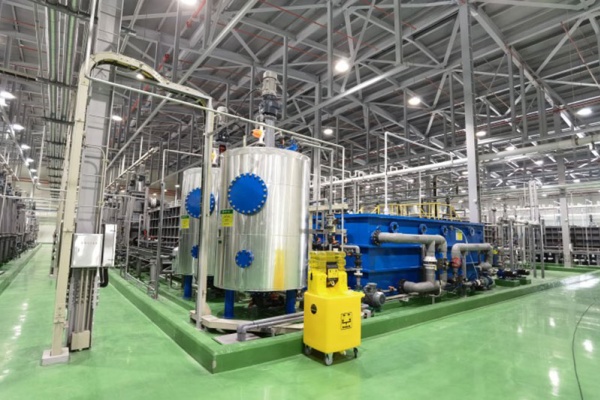
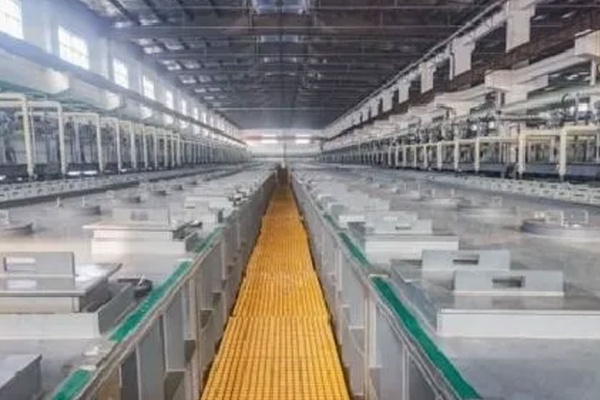
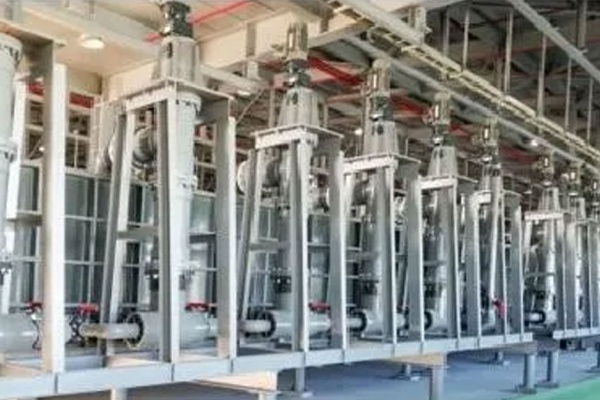
In modern recycling plants, extraction systems are widely used to separate metals with similar chemical properties from mixed process solutions. This is especially important when handling nickel, cobalt, manganese, and lithium, because the purity of these metals directly affects the quality and application value of the final recycled product. The market increasingly expects recycled materials to meet the standards required for precursor and cathode material production, rather than being used only for general industrial purposes.
This means recycling equipment must also provide the following:
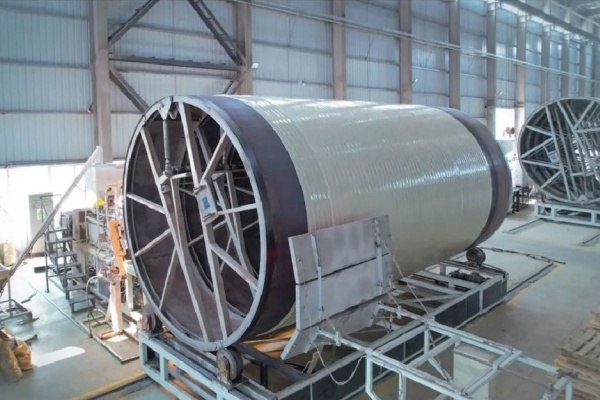
- Strong corrosion resistance
- High process stability
- Greater control accuracy
- Reliable continuous operation
As a result, equipment design capability and process integration capability have become core competitive factors in the battery recycling industry.
Growing Demand for Customized Engineering
Another major trend in the evolution of lithium-ion battery recycling is the shift toward customized engineering solutions. Different recycling projects vary significantly in feedstock type, treatment capacity, target metal products, plant layout, and local environmental regulations. Because of this, standardized systems are often unable to achieve the best results.
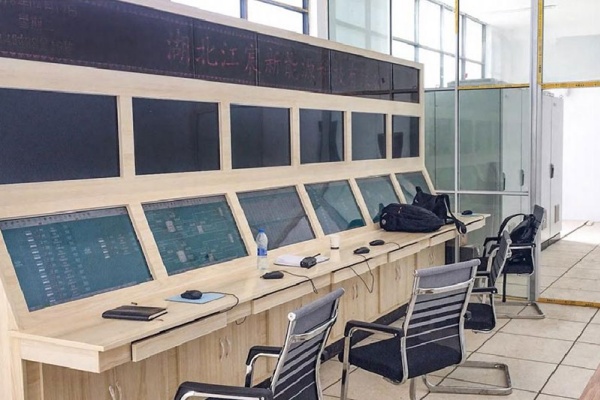
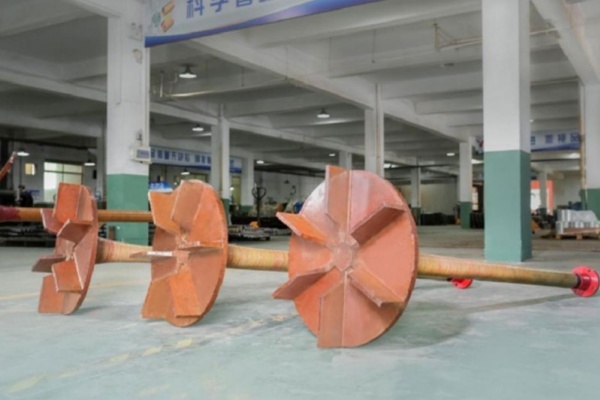
Modern battery recycling projects increasingly require capabilities such as process route design, equipment structure design, workshop layout planning, electrical automation design, pipeline design, installation guidance, commissioning, and training. This reflects an increasingly clear industry consensus: successful recycling projects cannot rely on individual machines alone. They require a complete engineering system that effectively connects process chemistry, equipment manufacturing, and plant-level execution.
As recycling projects continue to grow in scale and technical complexity, buyers increasingly prefer suppliers that can provide integrated EPC solutions. These solutions typically offer several advantages:
- Improved production line consistency
- Reduced operational inefficiencies
- Lower system coordination difficulty
- Support for long-term stable operation
Environmental Protection Has Become a Core Standard
The evolution of battery recycling is not only about recovering more metals. It is also about recovering them in a cleaner and more compliant way. Early recycling methods could generate waste gas, wastewater, acid mist, and solid residues. Without proper treatment systems, these by-products could create risks of secondary pollution.
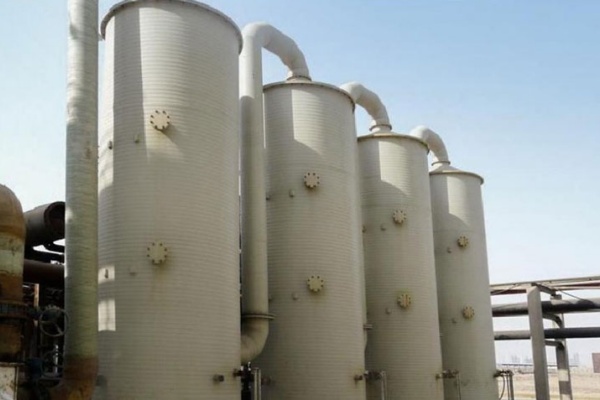
Today, advanced recycling projects are expected to incorporate environmental protection measures into the overall system design. Typical supporting systems include waste gas pretreatment, scrubbing, mist removal, adsorption, and wastewater treatment. This shows that modern battery recycling is gradually developing into a more complete circular industry model, in which resource recovery and environmental management are planned and implemented together.
This trend is especially important because battery recycling companies now face higher expectations not only from technology requirements, but also from regulators, customers, and international supply chains. Environmental compliance is no longer an optional addition. It has become a necessary foundation for building a reliable and sustainable recycling business.
Recycling Is Becoming Strategic Industrial Infrastructure
The business significance of lithium-ion battery recycling has also changed dramatically. In the past, recycling was often seen as a supporting activity. Today, it is increasingly viewed as strategic industrial infrastructure within the new energy economy.
As global demand for battery materials continues to rise, manufacturers are paying greater attention to resource security, localized supply, cost stability, and sustainable sourcing. Recycled metals can help reduce dependence on primary mining while also supporting circular economy goals. This makes battery recycling increasingly attractive to battery producers, material companies, and environmental technology investors.
Today, industrial buyers focus more on the following factors:
- Recovery efficiency
- Product purity
- Engineering capability
- Quality control
- Project delivery reliability
Suppliers that can provide solutions for the separation and recovery of nickel, cobalt, manganese, and lithium, together with strong engineering and equipment capabilities, are becoming increasingly important in the market. This type of integrated technical strength is highly aligned with the future direction of the industry.
Conclusion
Lithium-ion battery recycling has evolved into a high-value, technology-driven industry that supports resource recovery, environmental protection, and the future of circular battery manufacturing.
 English
  Deutsch
  Français
  Português
  Español
  Italiano