
Table of Contents
What Is Extraction of Rare Earth Metals?
Rare earth element (REE) extraction begins with mining ore, followed by physical processes like crushing, grinding, and flotation to concentrate the minerals. Next, chemical processes such as acid or alkaline leaching, solvent extraction, or ion‑exchange are used to chemically separate the individual rare earth elements. These conventional methods often create significant environmental challenges, including toxic waste and radioactive byproducts.
Why Is It Important to Dive Deeper Into This Topic?
Discover how separation, alternative sources, environmental impact and cutting‑edge methods influence the lifecycle of rare earth extraction and what that means for the global supply chain.
🔬 Separation and Purification
After the initial ore extraction and concentration, the separation and purification of individual rare earth elements is critical. Due to the similar chemical characteristics of REEs, complex multi-step methods are required.
The most common industrial technique is solvent extraction, where REE ions are transferred between aqueous and organic phases using selective extractants. This process is followed by stripping, precipitation, and calcination to obtain pure oxides.
For instance, after leaching the ore with sulfuric or hydrochloric acid, oxalates can be precipitated and then thermally decomposed. Each REE is handled through fine-tuned parameters to achieve high-purity outputs.
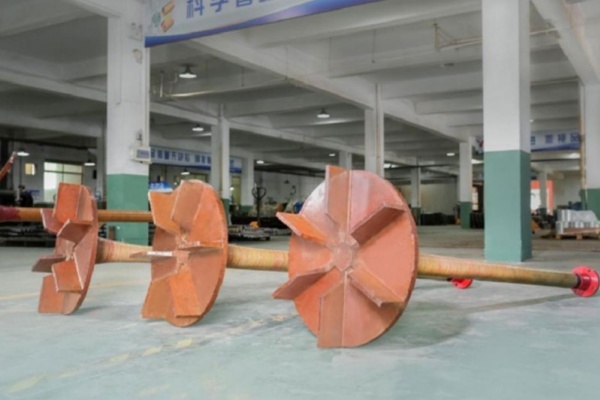
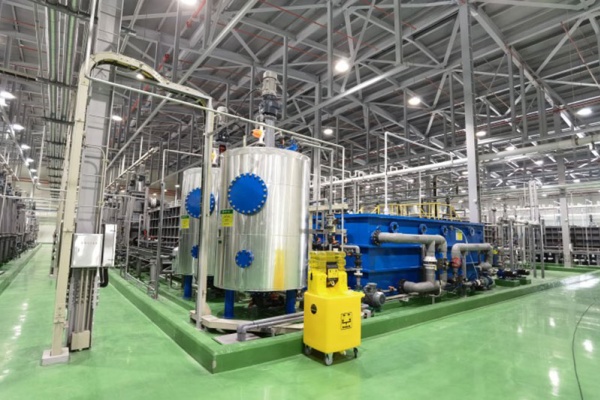
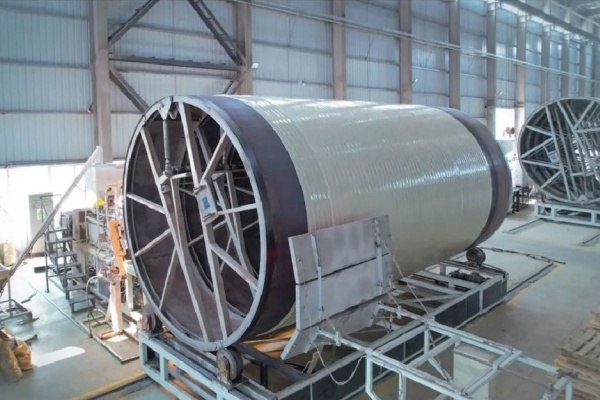
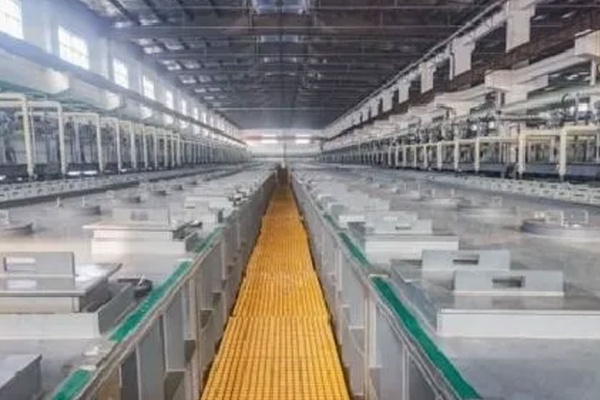
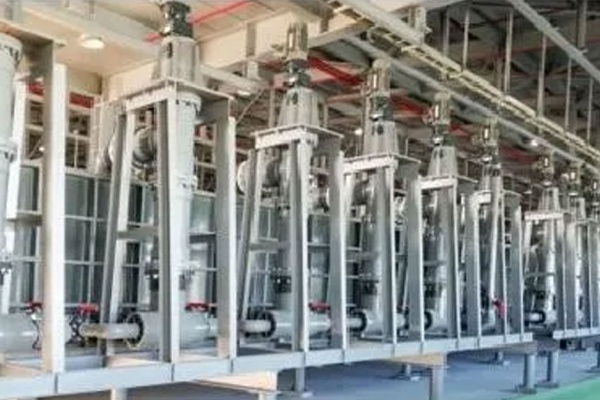
TYIC’s expertise lies in designing and manufacturing extraction equipment, such as corrosion-resistant tanks and optimized extractor layouts, that ensure consistent separation performance. Our systems enable high recovery, low impurity levels, and operational reliability even under chemically aggressive conditions.
🌱 Alternative Sources
Due to limited availability of high-grade ores, industries are exploring alternative sources of rare earths such as:
-
Electronic waste (e-waste)
-
Coal ash and industrial by-products
-
Acid mine drainage
-
Recycled lithium-ion batteries
Emerging research includes bio-based extraction using proteins like lanmodulin, which bind REEs selectively, enabling recovery from low-concentration streams without harmful solvents.
This circular economy approach is especially relevant to battery recyclers and non-ferrous processors—key clients of TYIC. We provide tailored systems designed to treat low-grade or variable-composition feedstocks with the same durability and chemical resistance as traditional equipment.
🌍 Environmental Considerations
The environmental impact of rare earth extraction is one of the industry’s most pressing challenges. The processes often involve:
-
Large volumes of hazardous acids
-
Toxic and radioactive waste
-
Water consumption and contamination risks
Processing minerals like monazite may release thorium, a radioactive element. Without proper handling, this results in long-term environmental and regulatory issues.
TYIC addresses these risks with complete environmental protection systems:
-
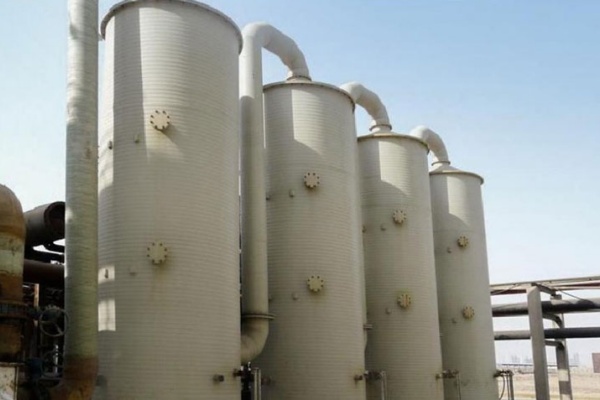
Waste gas treatment units
-
Effluent and wastewater recycling systems
-
Containment solutions for residues
Our integrated EPC services ensure operational safety and environmental compliance, supporting sustainable practices across the entire extraction cycle.
⚙️ Methods for the Extraction of Minerals with Rare Earths
The methods used depend on the mineral type and application. Common stages include:
-
Mining – open-pit, underground, or trench extraction.
-
Beneficiation – crushing, grinding, and flotation.
-
Leaching – using acids or alkalis to dissolve REEs.
-
Precipitation and Calcination – recovering and converting into oxide forms.
-
Separation – solvent extraction, ion exchange, or use of ionic liquids.
For example, cerium can be selectively oxidized to Ce(IV) to separate it from other REEs. Ionic liquids and bioleaching are advancing the field with lower environmental footprints.
TYIC supports this entire chain with equipment for:
-
Acid leaching and mixing systems
-
Solvent extraction units
-
Corrosion-resistant tanks
-
Waste treatment modules
We design and deliver EPC projects tailored to specific feedstocks and environmental conditions, ensuring high-efficiency and compliance for clients in recycling, energy, and chemical sectors.
✅ Summary
The extraction of rare earth metals requires advanced processes and environmental safeguards. TYIC provides customised, efficient, and compliant solutions to support the rare earth value chain, from mining to purification and waste treatment.
 English
  Deutsch
  Français
  Português
  Español
  Italiano