
Pain, Aggravation, Solution: Black powder in lithium‑ion batteries indicates severe internal degradation that can cause capacity loss, safety risks, and inefficiency—TYIC explains how professional extraction and recycling technology identifies and reclaims valuable materials, ensuring safety and material recovery.
Snippet: Black powder in lithium‑ion batteries is the result of electrode material degradation, conductive additive breakdown, and binder decomposition. Understanding its composition is crucial for safe recycling, recovery of valuable metals like lithium, cobalt, nickel, and minimizing environmental impacts. TYIC’s advanced extraction and micro‑interface oil removal systems enhance material separation and support sustainable battery recycling processes.
Read on to learn what causes this residue and why it matters for recycling and materials recovery.
The phenomenon of a black powder forming inside lithium‑ion batteries during use, aging, or mechanical damage is a topic of increasing concern in the battery recycling and materials processing industries. For companies like TYIC (Hangzhou Tianyicheng New Energy Technology Co., Ltd.), understanding this black powder is essential to improving recycling efficiency, safety, and the sustainable reuse of critical metals. This article explains what this black powder is, why it forms, how it impacts battery performance and recycling, and what technological solutions exist to manage it effectively.
Table of Contents
What Is Black Powder in Lithium‑Ion Batteries?
The term “black powder” refers to a dark, fine particulate matter that can be found within failed or end‑of‑life lithium‑ion cells. It is not a single substance but a mixture of degraded electrode materials, conductive additives, binder breakdown products, and inorganic salts formed during electrochemical degradation or thermal runaway.
In a typical lithium‑ion battery, the electrodes are composed of active materials (such as lithium cobalt oxide, lithium nickel manganese cobalt oxide, or lithium iron phosphate), conductive carbon additives, and polymer binders. Over the battery’s life cycle, repeated charge and discharge cycles lead to structural changes in the active materials, the breakdown of binders, and the formation of solid electrolyte interphase (SEI) layers. These reactions can liberate fine particles that accumulate as black powder. Poor storage, elevated temperatures, overcharging, or physical damage amplify these degradation pathways.
Composition of Black Powder
The black powder is a heterogeneous mixture. Its main components commonly include:
-
Degraded Active Cathode Materials: Transition metal oxides that have lost their original crystalline structure.
-
Conductive Carbon Residues: Carbon black or graphite fragments from electrode matrices.
-
Decomposed Electrolyte Salts: Lithium salts and organic decomposition products that form solid electrolyte interphase residues.
-
Binder Decomposition Products: Polymers such as PVDF (polyvinylidene fluoride) that have broken down under stress.
The exact composition depends on the battery chemistry, usage history, and failure mode. In high‑nickel cathodes, nickel oxide fragments can be prevalent; in LFP (lithium iron phosphate) cells, iron and phosphate residues dominate.
Why Black Powder Is a Problem
Safety Risks
Black powder inside a battery can signal internal short circuits and dendrite formation—metallic filaments that grow between electrodes and cause thermal runaway. During disassembly, fine particles pose respiratory hazards and may ignite if exposed to heat or sparks. This is especially concerning in recycling facilities handling large volumes of spent cells.
Performance and Reliability
When present in an operating battery, black powder indicates lost active material and increased internal resistance. This leads to reduced capacity, voltage irregularities, and premature failure. For manufacturers and recyclers, understanding powder formation helps improve design and end‑of‑life handling.
Environmental and Economic Impact
The powder contains valuable metals like lithium, cobalt, nickel, and manganese. If not properly recovered, these elements become waste, driving increased demand for primary mining and associated environmental degradation. Recovering these metals supports circular economy goals and provides economic benefits.
How Black Powder Forms – The Technical Pathways
Electrode Degradation
Active materials undergo repeated lithiation and delithiation—lithium ions intercalating into and out of electrode lattices. Over time, this leads to micro‑cracking and structural collapse, releasing fine particles.
SEI Layer Growth and Breakdown
The solid electrolyte interphase forms on anodes during initial cycles. While a stable SEI protects the anode, continuous growth and decomposition produce insoluble compounds that contribute to powder generation.
Side Reactions and Electrolyte Decomposition
Electrolyte solvents and salts decompose at high temperatures or voltages, creating solid residues that mix with carbon and active material particles.
Industrial Challenges in Handling Black Powder
Safe Disassembly
Recycling facilities must prevent exposure to fine conductive powders, which can short circuits and cause fires. Controlled environments with dust suppression and proper PPE are essential.
Effective Separation
The powder’s complex mixture makes straightforward physical separation insufficient. Material processing technologies must distinguish between organic binders, carbon, and valuable metal oxides.
Regulatory Compliance
Disposal and processing of battery waste are subject to environmental and safety standards. Improper handling of powder can lead to regulatory violations and fines.
TYIC’s Technology in Addressing Black Powder in Recycling
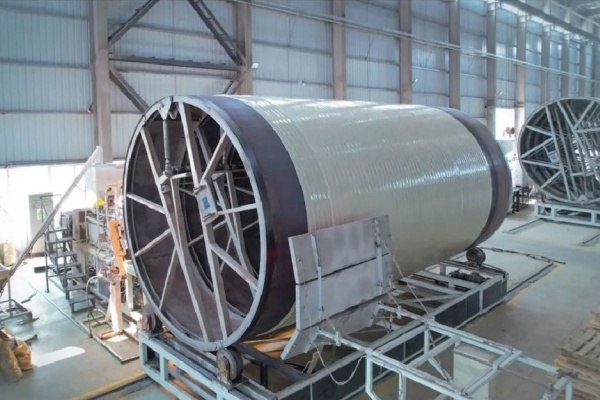
TYIC specializes in extraction equipment and environmental protection systems designed for challenging industrial processes, including lithium‑ion battery recycling. Key technologies relevant to managing black powder include:
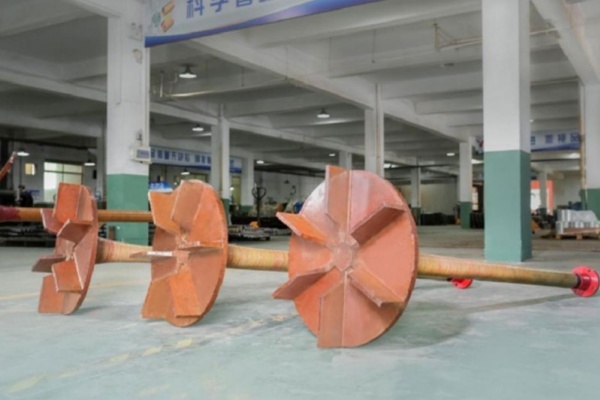
Tubular Mixing Extractors
These extractors facilitate homogeneous mixing of battery shredding outputs with solvents and reagents, enhancing the dissolution of target metals. Black powder is treated to release valuable constituents while separating undesirable residues.
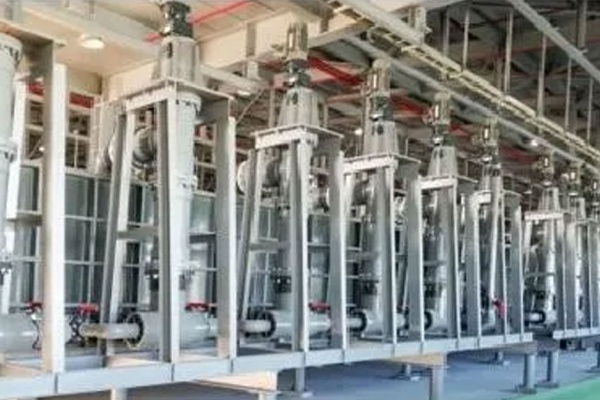
Micro‑Interface Oil Removal Systems
Fine particulates and organic residues are effectively separated from metallic components. This technology improves subsequent hydrometallurgical or pyrometallurgical processing steps by reducing contaminant loads.
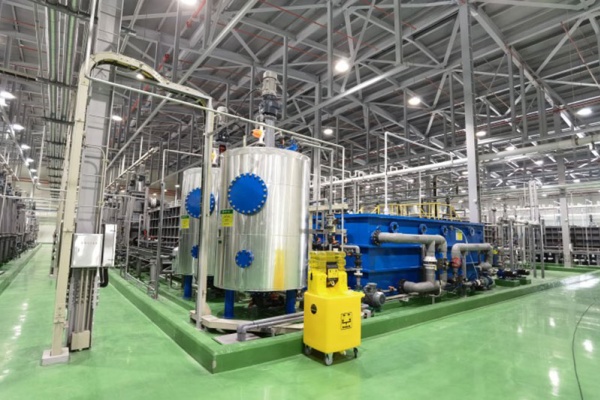
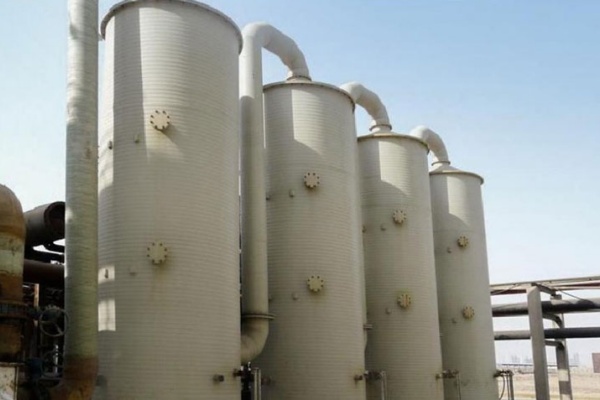
Waste Gas and Wastewater Treatment
Processing black powder can generate off‑gases and waterborne contaminants. TYIC’s environmental protection systems ensure that emissions and effluents meet regulatory standards, protecting both workers and the environment.
Corrosion‑Resistant Tanks and Storage
Handling black powder and associated chemical solutions necessitates equipment resistant to corrosion. TYIC’s PPH/HDPE tanks and corrosion‑resistant materials ensure durability and safety in aggressive processing environments.
Benefits of Proper Black Powder Management
Enhanced Metal Recovery
By effectively processing black powder, recyclers recover higher yields of lithium, cobalt, nickel, and other critical metals, reducing reliance on primary mining.
Improved Safety
Specialized extraction and separation technologies minimize dust exposure and fire risks, protecting personnel and facilities.
Environmental Compliance and Sustainability
Efficient handling and treatment of black powder align with global sustainability goals and regulatory requirements, bolstering corporate ESG performance.
Case Applications
Several industries benefit from improved black powder management:
-
Lithium Battery Recycling Facilities: Enhanced powder processing reduces waste and improves precious metal recovery.
-
Non‑Ferrous Metal Processors: Fine particulates from battery waste become feedstock for metal extraction.
-
Environmental Service Providers: Integration of TYIC’s wastewater and exhaust treatment systems ensures compliance.
Conclusion
Effective identification, handling, and processing of black powder in lithium‑ion batteries are crucial for safety, sustainability, and profitability in recycling. TYIC’s suite of extraction and environmental systems enables industrial partners to address these challenges and unlock value from battery waste.
In summary, understanding and treating black powder ensures safer recycling and maximized recovery of valuable metals with advanced industrial solutions.
 English
  Deutsch
  Français
  Português
  Español
  Italiano