
Rising EV demand is creating pressure on critical mineral supplies. Without effective recycling, manufacturers face shortages, higher costs, and supply disruptions. Battery recycling provides a sustainable solution by recovering valuable materials and strengthening supply chain resilience.
Battery recycling recovers lithium, cobalt, nickel, and other critical materials from end-of-life batteries, reducing dependence on raw material mining. By creating a circular supply chain, recycling improves resource security, lowers environmental impact, stabilizes material costs, and supports the long-term growth of the electric vehicle industry.
As EV adoption accelerates, recycling is becoming a strategic necessity rather than an environmental option.
Table of Contents
The Growing Challenge of EV Supply Chain Security
The global transition toward electric vehicles has significantly increased demand for battery materials. Metals such as lithium, cobalt, nickel, and manganese are essential for battery production, yet their supply chains remain vulnerable to geopolitical tensions, mining limitations, and fluctuating market conditions.
Many EV manufacturers depend heavily on newly mined resources. As demand continues to rise, this dependence creates several challenges:
- Raw material shortages
- Price volatility
- Longer procurement lead times
- Supply chain disruptions
- Increased environmental concerns
Without alternative material sources, battery manufacturers may struggle to maintain stable production capacity, affecting the entire EV ecosystem.
Why Battery Recycling Matters
Battery recycling addresses these challenges by transforming used lithium-ion batteries into a valuable source of secondary raw materials.
Instead of disposing of spent batteries, advanced recycling processes extract and purify critical metals for reuse in new battery production. This approach creates a closed-loop supply chain that reduces reliance on virgin mining operations.
Key benefits include:
1. Improved Material Availability
Recovered materials can be reintroduced directly into battery manufacturing, creating a more reliable supply source. This helps manufacturers maintain production continuity even when global mining output faces disruptions.
2. Reduced Cost Volatility
Mining operations are often affected by changing regulations, labor shortages, and geopolitical risks. Recycling provides an additional supply channel, helping companies reduce exposure to unpredictable material price fluctuations.
3. Enhanced Sustainability
Recycling significantly decreases the environmental footprint associated with extracting and processing new raw materials. This supports corporate sustainability goals and strengthens ESG performance.
The Role of Advanced Recycling Technologies
The effectiveness of battery recycling depends heavily on the technologies used throughout the recovery process.
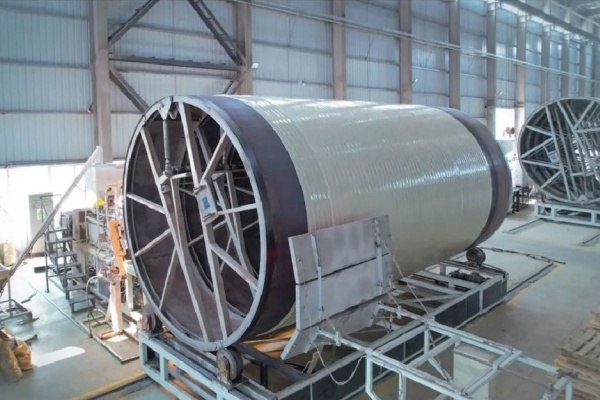
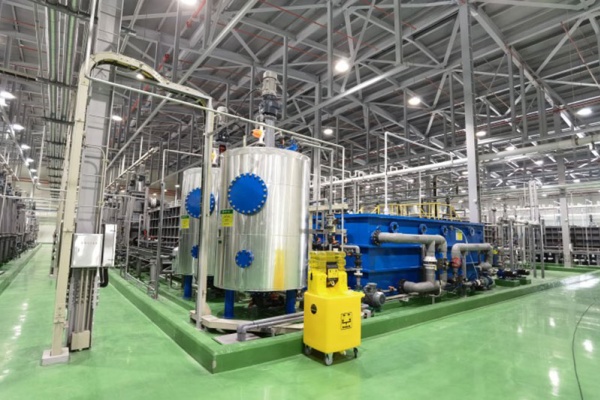
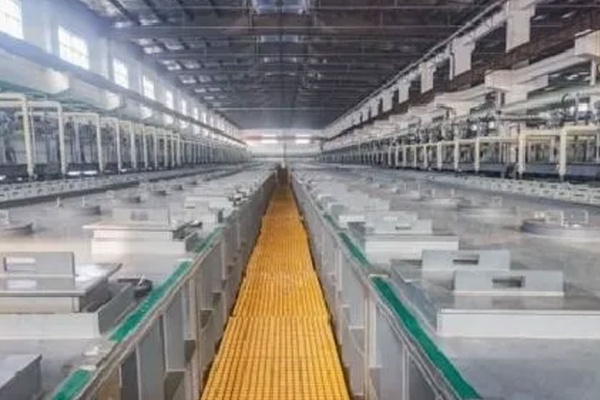
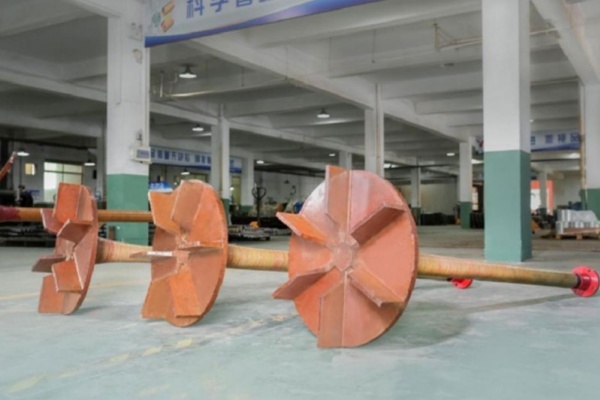
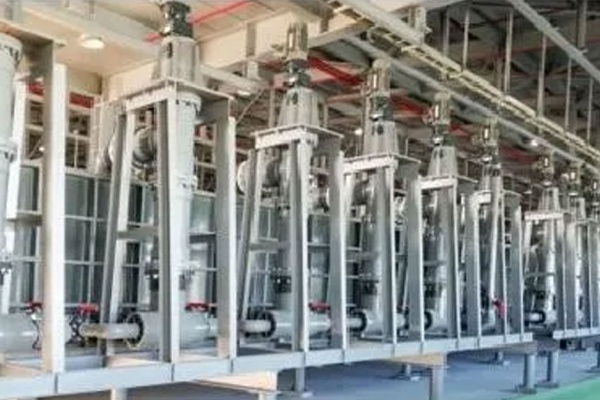
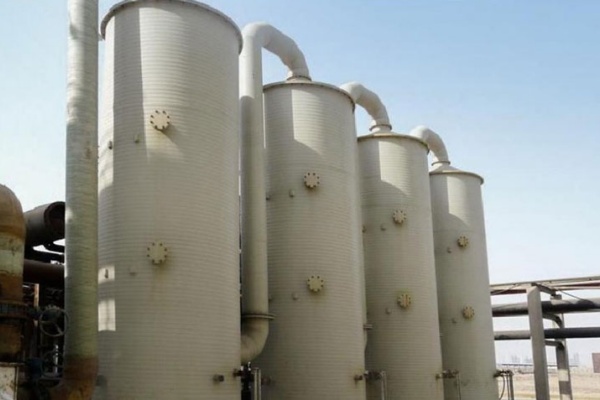
Modern recycling facilities utilize advanced systems to maximize recovery efficiency while minimizing environmental impact. Technologies such as tubular mixing extractors, high-efficiency mixing systems, and micro-interface oil removal systems help optimize metal separation and purification.
These technologies offer several advantages:
- Higher recovery rates
- Improved process efficiency
- Lower energy consumption
- Reduced waste generation
- Greater operational reliability
As battery chemistries continue to evolve, advanced extraction and separation equipment will become increasingly important for maintaining high recovery performance.
Supporting a Circular Battery Economy
A resilient EV supply chain requires more than simply securing raw materials. It also requires establishing a sustainable system where resources remain in circulation for as long as possible.
Battery recycling is a core component of the circular economy model. By recovering valuable materials from end-of-life batteries, companies can reduce waste while creating a continuous resource cycle.
The circular approach delivers long-term advantages:
| Benefit | Impact |
|---|---|
| Resource Conservation | Reduces dependence on virgin mining |
| Supply Security | Creates additional material sources |
| Environmental Protection | Minimizes waste and emissions |
| Cost Optimization | Improves long-term economic efficiency |
| Regulatory Compliance | Supports global sustainability requirements |
As governments worldwide introduce stricter environmental regulations, circular economy strategies are becoming essential for maintaining competitiveness.
Why Recycling Is Becoming a Competitive Advantage
Companies that invest in battery recycling gain more than environmental benefits. They also strengthen their position within the rapidly expanding EV market.
Organizations involved in battery manufacturing, recycling, and materials processing increasingly prioritize:
- Stable supply chains
- Reliable material sourcing
- Lower environmental risk
- Long-term cost control
- Sustainability leadership
Strategic partnerships between battery producers, recycling companies, and equipment manufacturers help create integrated solutions that improve both operational efficiency and resource security.
For industries such as lithium battery recycling, non-ferrous metal processing, and new energy materials manufacturing, advanced recycling infrastructure has become a critical investment for future growth.
The Future of EV Supply Chains
As millions of EV batteries reach the end of their service life in the coming years, the volume of recoverable materials will continue to grow. Companies that establish efficient recycling systems today will be better positioned to meet future demand while reducing dependence on increasingly constrained natural resources.
By combining advanced recovery technologies, sustainable practices, and circular economy principles, battery recycling is becoming one of the most effective strategies for building a resilient and future-ready EV supply chain.
Battery recycling strengthens supply security, supports sustainability, and ensures long-term resilience for the growing electric vehicle industry.
 English
  Deutsch
  Français
  Português
  Español
  Italiano