
El 30 de julio de 2026, el Ministerio de Industria y Tecnología de la Información de China (MIIT) eliminado 100 empresas dedicadas al aprovechamiento en cascada de baterías de litio de la lista blanca que se encuentra en la sección Condiciones de la norma industrial sobre la valorización integral de las baterías usadas de los vehículos de nueva energía. Este artículo analiza el cambios en las políticas y planificación del cumplimiento normativo futuro para proyectos de reciclaje de baterías.
El 30 de julio de 2026, el Ministerio de Industria y Tecnología de la Información (MIIT) de China ha publicado un comunicado sobre la modificación y la derogación de determinadas políticas y normas relacionadas con el aprovechamiento en cascada de las baterías de propulsión retiradas de los vehículos de nuevas energías.
Según las estadísticas de los medios especializados del sector “Red del sector del reciclaje de baterías”, desde 2018, un total de 100 empresas dedicadas a la utilización en cascada han perdido su condición de empresas autorizadas en virtud de la normativa china Condiciones de la norma industrial sobre la valorización integral de las baterías usadas de los vehículos de nueva energía.
Para inversores en proyectos de reciclaje de baterías, contratistas EPC e inversores industriales, este ajuste no solo supone un cambio administrativo, sino que también indica que el sector está pasando de rápida expansión hacia una nueva etapa centrada en la verificación del cumplimiento, las capacidades técnicas y la gestión integral de los procesos.
Índice
¿Qué ha cambiado en el comunicado del 30 de julio?
Según los informes del sector que resumen Comunicados del MIIT desde agosto de 2018 hasta 2026:
De De 2018 a 2026, China anunció cinco grupos de empresas que cumplen los requisitos bajo el Condiciones de la norma industrial sobre la valorización integral de las baterías usadas de los vehículos de nueva energía, con un total de 163 empresas.
El primer grupo de cinco empresas anunciado en 2018 no distinguía claramente entre aprovechamiento en cascada y aprovechamiento mediante reciclaje, por lo que no se incluyen en este ajuste.
En Las 100 empresas eliminadas en esta ocasión pertenecen todas a la categoría de utilización en cascada..
A fecha de 31 de julio de 2026, 63 empresas siguen figurando en la lista de empresas autorizadas (incluidas las cinco primeras empresas y las 58 empresas de las convocatorias posteriores).
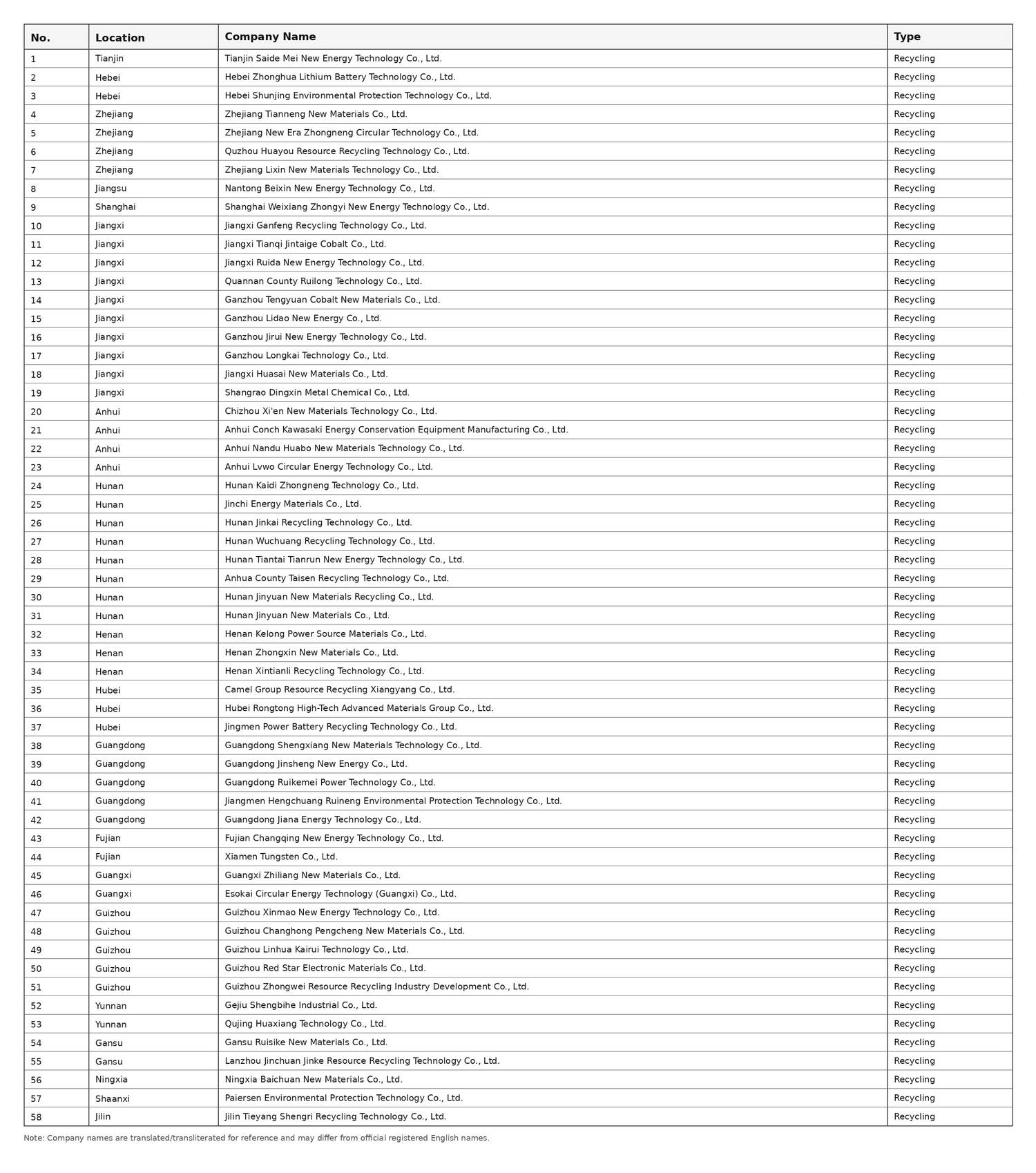
Este ajuste de la política se centra principalmente en:
Utilización en cascada
Esto se refiere al tratamiento baterías de energía retiradas del servicio mediante pruebas y selección, para luego aplicarlas en ámbitos como:
- Sistemas de almacenamiento de energía
- Vehículos eléctricos de baja velocidad
- Fuentes de alimentación de reserva
En lugar de desmontar directamente las baterías para recuperar metales valiosos.
Este ajuste sí no objetivo:
Aprovechamiento de los residuos reciclados
Esto se refiere a la recuperación de metales valiosos mediante procesos como hidrometalurgia, entre los que se incluyen:
- Níquel
- Cobalto
- Litio
- Manganeso
y otros recursos.
¿Por qué se está endureciendo la lista blanca de reciclaje de baterías de litio?
Los expertos del sector consideran que este ajuste supone un paso más hacia normalización y regulación del sector del reciclaje de baterías.
Con el rápido crecimiento de vehículos de nuevas energías, el volumen de baterías de potencia retiradas del servicio sigue aumentando, lo que está provocando una rápida expansión del número de empresas dedicadas a su reutilización en cascada.
Sin embargo, la reutilización de las baterías retiradas del servicio requiere unas capacidades sólidas, entre las que se incluyen:
- Pruebas precisas de las baterías
- Capacidad de cribado celular
- Sistemas de gestión de la seguridad
- Sistemas completos de trazabilidad de materiales
Durante una fase de rápida expansión, es posible que algunas empresas hayan tenido que hacer frente a problemas como:
- Capacidades técnicas insuficientes
- Gestión de la seguridad incompleta
- Procesos de producción deficientes
- Sistemas de trazabilidad limitados
Por lo tanto, las autoridades reguladoras están endureciendo los requisitos para acceso al sector y cumplimiento normativo.
Para los inversores del proyecto:
La futura competencia en el sector del reciclaje de baterías pasará de ser simplemente “la obtención de titulaciones” a tener capacidades de ingeniería reales y un rendimiento operativo estable.
Cabe señalar que algunos de los Las empresas de aprovechamiento en cascada afectadas por este ajuste son, además, clientes de larga duración a los que presta servicio TYIC.
A medida que el sector del reciclaje de baterías de litio sigue desarrollándose, las empresas están ampliando su la envergadura del proyecto, la capacidad de procesamiento y los requisitos técnicos. Además, unas normas reguladoras más estrictas están animando a las empresas a centrarse más en:
- Optimización de procesos
- Fiabilidad de los equipos
- Sistemas de protección del medio ambiente
Como proveedor de diseño de procesos hidrometalúrgicos, recuperación de metales no ferrosos, reciclaje de baterías de litio y soluciones de tratamiento medioambiental, TYIC se mantiene al día de los cambios en las políticas del sector y de las tendencias de desarrollo tecnológico., optimizando los equipos y las soluciones técnicas para ofrecer soluciones de reciclaje que satisfacen las necesidades futuras del sector.
¿Qué implica esto para la planificación de nuevos proyectos de reciclaje de baterías?
Para proyectos relacionados con Tratamiento de las baterías de litio fuera de servicio, hay tres ámbitos clave a los que se debe prestar especial atención:
1. La importancia de los documentos de planificación de procesos es cada vez mayor
Las futuras evaluaciones de cumplimiento se centrarán más en:
- Si el diseño del proceso es razonable
- Si los sistemas de protección medioambiental están completos
- Si los flujos de materiales están claramente definidos
- Si es posible rastrear los productos finales
Los proyectos no solo deben centrarse en las solicitudes de acreditación de las empresas, sino también en completar planificación técnica exhaustiva previa a la construcción.
2. Los sistemas de protección medioambiental deben integrarse en el diseño básico
Los equipos de protección medioambiental no deben considerarse un complemento que se incorpora en una fase posterior.
Durante la fase inicial de diseño, los proyectos deben tener en cuenta lo siguiente:
- Sistemas de tratamiento de gases residuales
- Sistemas de tratamiento de aguas residuales
- Sistemas de absorción de niebla ácida
- Sistemas de tratamiento de COV
Muchos proyectos se enfrentan a dificultades a la hora de realizar modificaciones posteriores porque los sistemas medioambientales no se tuvieron suficientemente en cuenta durante la fase inicial de diseño.
3. Los sistemas de trazabilidad de las materias primas y los productos requieren una planificación temprana
Una línea de producción de reciclaje que cumpla con la normativa debe incluir:
- Clasificación de las baterías
- Inspección de materias primas
- Muestreo y análisis
- Gestión de productos intermedios
- Trazabilidad del producto
Estos factores no solo afectan a autorización reglamentaria sino que también influyen en las futuras decisiones de compra de los clientes.
Consideraciones sobre el proceso de reciclaje de baterías y los equipos necesarios
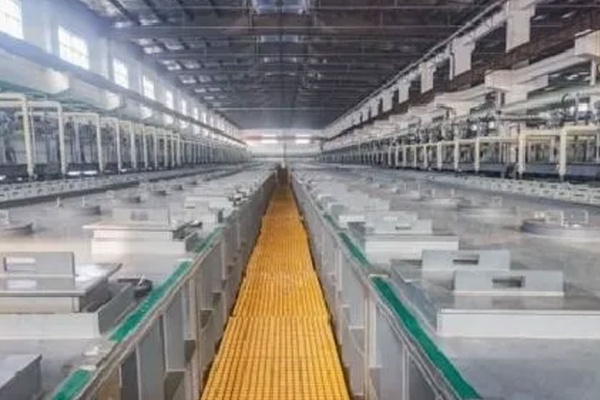
Un típico Proyecto de reciclaje de baterías de litio fuera de servicio mediante tecnología hidrometalúrgica Incluye:
- Descarga y desmontaje de la batería
- Trituración y separación
- Lixiviación
- Depuración
- Extracción o precipitación
- Recuperación de productos intermedios metálicos
- Equipos de lixiviación y reacción
La selección de los materiales de los equipos debe determinarse en función de las condiciones reales de funcionamiento, entre las que se incluyen:
- Tipos de medios ácidos y alcalinos
- Concentración
- Temperatura
- Entorno corrosivo
La selección de los equipos no debe basarse únicamente en las normas generales sobre materiales.
Equipos de extracción
Entre los equipos habituales se incluyen:
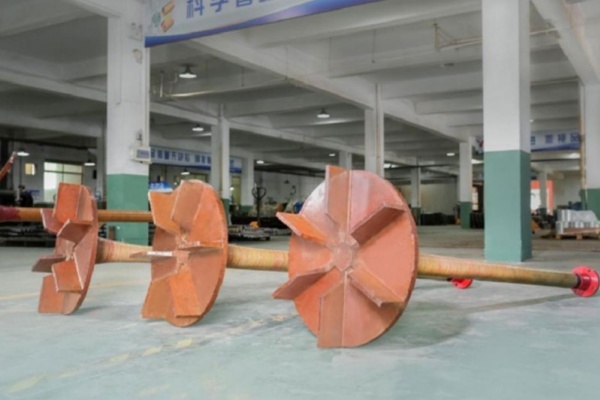
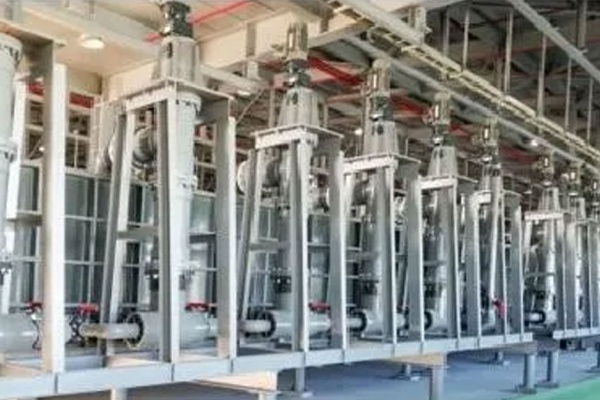
- Mezcladora Sedimentadora
- Extractor tubular
La elección del equipo depende de:
- Composición de la materia prima
- Capacidad de procesamiento
- Espacio disponible en la planta
- Requisitos relativos a la eliminación de aceite y al control de impurezas
Los sistemas de eliminación de aceite pueden ayudar a proteger los procesos de extracción posteriores.
Entre las soluciones más habituales se encuentran:
- Eliminación de aceite con resina
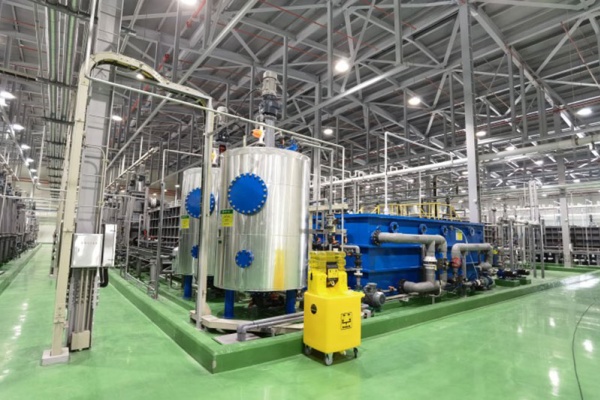
- Sistemas de flotación por aire disuelto (DAF)
- Equipos de tratamiento medioambiental
Equipos de tratamiento medioambiental
Entre los principales sistemas se incluyen:
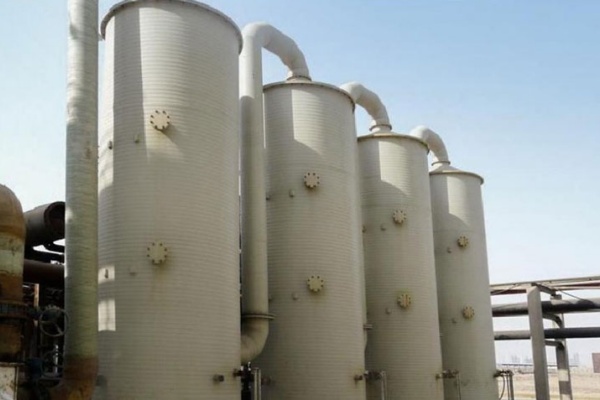
- Torres de absorción de niebla ácida
- Sistemas de absorción y regeneración de COV
- Sistemas de tratamiento de aguas residuales
- Estructuras de equipos anticorrosión
Entre los materiales más habituales se encuentran:
- PPH
- HDPE
- PVC
- FRP
- Equipos con revestimiento de acero
La selección de materiales debe realizarse de acuerdo con condiciones específicas del proceso.
La posición de TYIC respecto al reciclaje de baterías de litio
Hangzhou Tianyicheng New Energy Technology Co. (TYIC) se fundó en 1997 y cotizaba en la bolsa de China Nueva Tercera Junta en 2017 con código de referencia 871858.
TYIC se centra en:
- Diseño de procesos hidrometalúrgicos
- Recuperación de recursos de metales no ferrosos
- Soluciones para el reciclaje de baterías de litio
- Soluciones de tratamiento medioambiental
Las actividades de la empresa abarcan:
- Reciclaje de baterías de litio usadas
- Recuperación de productos intermedios de níquel y cobalto
- Purificación de metales
- Tratamiento de aguas residuales
- Tratamiento de gases residuales
El TYIC ofrece servicios integrados, desde el diseño de procesos hasta la ejecución de proyectos, entre los que se incluyen:
- Selección de la ruta del proceso
- Diseño técnico
- Fabricación de equipos a medida
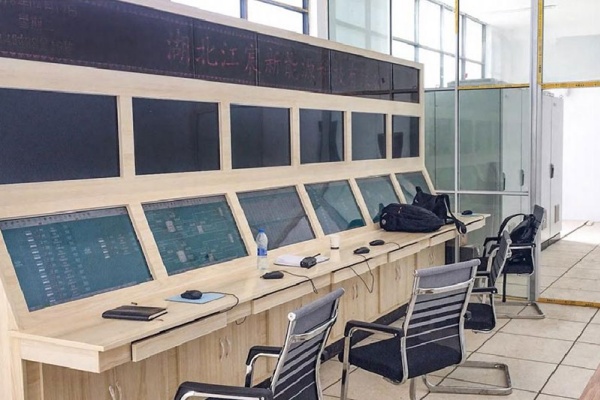
- Sistemas de control de automatización
- Instalación y puesta en marcha
- Formación de operadores
El equipamiento principal incluye:
- Colonos de Mixer
- Equipos tubulares de mezcla y extracción
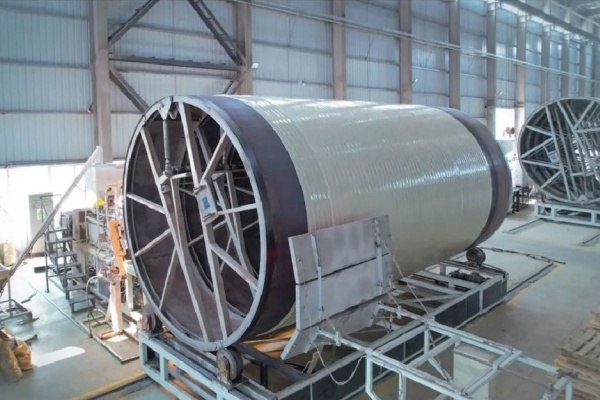
- Depósitos de lixiviación
- Depósitos de reacción
- Equipos anticorrosión de PPH/HDPE
- Sistemas de eliminación de aceite
- Torres de absorción de niebla ácida
- Sistemas de tratamiento de gases residuales
A medida que la economía mundial sector del reciclaje de baterías de litio avanza hacia una fase de desarrollo más estandarizada, TYIC seguirá mejorando sus capacidades técnicas y sus servicios de ingeniería, colaborando con socios del sector y clientes de todo el mundo para explorar nuevas tecnologías y soluciones para reciclaje de recursos.
Datos de contacto de TYIC
Hangzhou Tianyicheng New Energy Technology Co.
Responsable de proyectos en el extranjero: Jenny Yan
Correo electrónico: info@tyic.net
Teléfono: +86-0571-83733369
 Español
  English
  Deutsch
  Français
  Português
  Italiano