
A 30 de julho de 2026, o Ministério da Indústria e das Tecnologias da Informação da China (MIIT) removido 100 empresas que utilizam baterias de lítio em cascata da lista de permissões, na secção Condições da Norma Industrial para a Aproveitamento Integral das Baterias Usadas de Veículos a Energia Nova. Este artigo analisa o alterações às políticas e planeamento da conformidade futura para projetos de reciclagem de baterias.
Em 30 de julho de 2026, o Ministério da Indústria e das Tecnologias da Informação (MIIT) da China emitiu um comunicado relativo ao ajustamento e ao cancelamento de determinadas políticas e normas relacionadas com o utilização em cascata das baterias de propulsão retiradas de serviço de veículos movidos a energias renováveis.
De acordo com as estatísticas da imprensa especializada no setor “Rede da Indústria de Reciclagem de Baterias”, desde 2018, um total de 100 empresas de utilização em cascata perderam a sua qualificação como empresas aprovadas ao abrigo da legislação chinesa Condições da Norma Industrial para a Aproveitamento Integral das Baterias Usadas de Veículos a Energia Nova.
Para investidores em projetos de reciclagem de baterias, empreiteiros EPC e investidores industriais, este ajustamento não é apenas uma alteração administrativa, mas também indica que o setor está a passar de rápida expansão rumo a uma nova fase centrada na verificação da conformidade, nas capacidades técnicas e na gestão de todo o processo.
Índice
O que mudou no anúncio de 30 de julho?
De acordo com relatórios do setor que resumem Comunicados do MIIT de agosto de 2018 a 2026:
De 2018 a 2026, a China anunciou cinco grupos de empresas qualificadas ao abrigo do Condições da Norma Industrial para a Aproveitamento Integral das Baterias Usadas de Veículos a Energia Nova, abrangendo um total de 163 empresas.
O primeiro grupo de cinco empresas anunciado em 2018 não fazia uma distinção clara entre utilização em cascata e utilização para reciclagem, pelo que não estão incluídos neste ajustamento.
O As 100 empresas excluídas desta vez pertencem todas à categoria de utilização em cascata.
A partir de 31 de julho de 2026, 63 empresas continuam na lista de empresas aprovadas (incluindo as cinco empresas iniciais e 58 empresas dos lotes subsequentes).
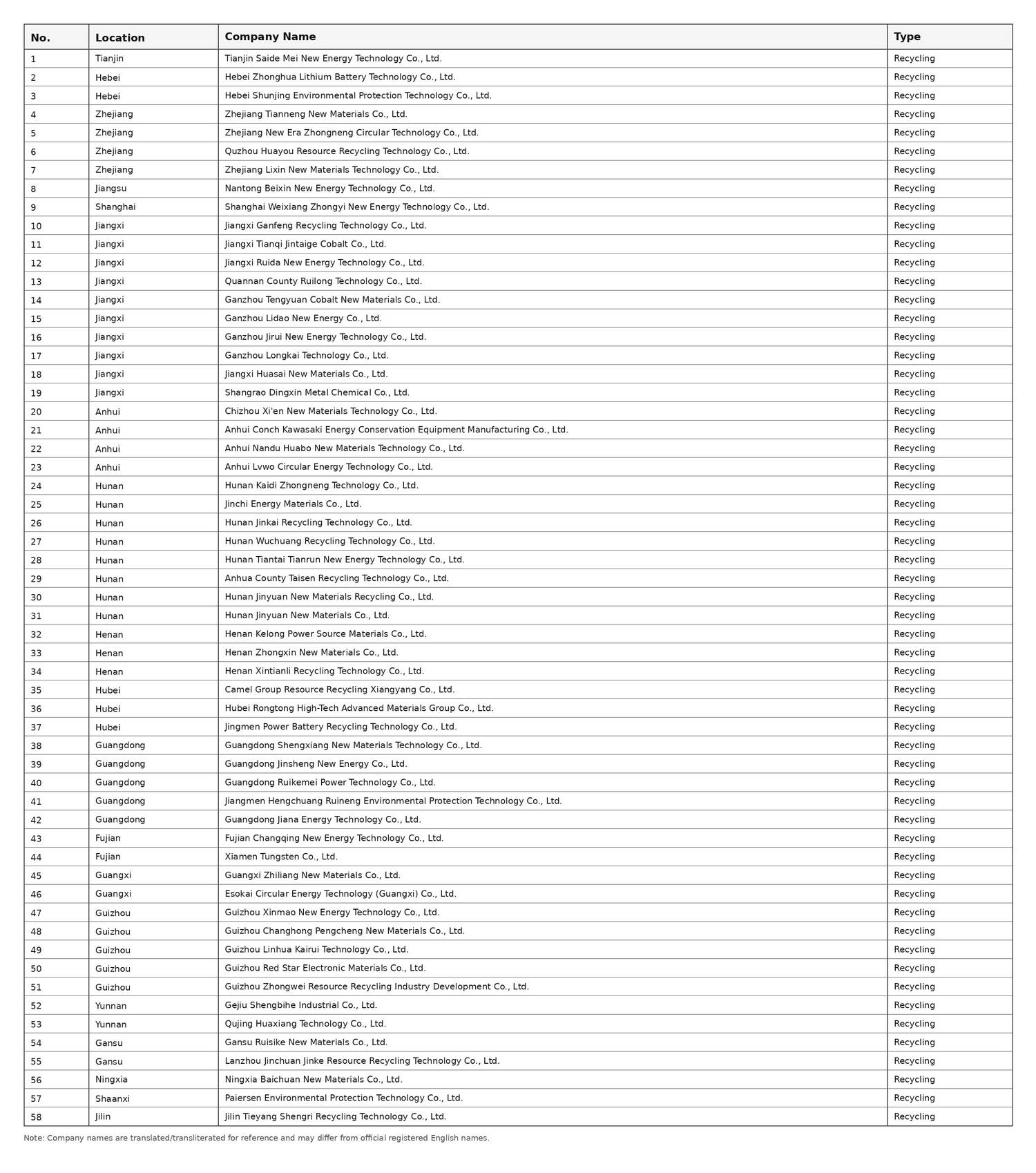
Este ajustamento da política centra-se principalmente em:
Utilização em cascata
Isto refere-se ao tratamento baterias de energia fora de serviço, através de testes e triagem, aplicando-as depois em áreas como:
- Sistemas de armazenamento de energia
- Veículos elétricos de baixa velocidade
- Fontes de alimentação de reserva
Em vez de desmontar diretamente as baterias para recuperar metais valiosos.
Este ajuste faz não alvo:
Utilização de materiais reciclados
Isto refere-se à recuperação de metais valiosos através de processos como hidrometalurgia, incluindo:
- Níquel
- Cobalto
- Lítio
- Manganês
e outros recursos.
Por que razão a lista de aprovação para a reciclagem de baterias de lítio está a tornar-se mais rigorosa?
Os especialistas do setor consideram que este ajustamento representa mais um passo no sentido de normalização e regulamentação do setor da reciclagem de baterias.
Com o rápido crescimento de veículos movidos a novas fontes de energia, o volume de baterias de energia retiradas de serviço continua a aumentar, o que está a levar a uma rápida expansão do número de empresas que as reutilizam em cascata.
No entanto, a reutilização de baterias fora de serviço requer capacidades sólidas, nomeadamente:
- Testes precisos às baterias
- Capacidade de triagem celular
- Sistemas de gestão da segurança
- Sistemas completos de rastreabilidade de materiais
Durante um período de expansão rápida, algumas empresas podem ter enfrentado problemas como:
- Capacidades técnicas insuficientes
- Gestão da segurança incompleta
- Processos de produção deficientes
- Sistemas de rastreabilidade limitados
Por conseguinte, as autoridades reguladoras estão a reforçar os requisitos relativos a acesso ao setor e conformidade.
Para os investidores do projeto:
A concorrência futura no indústria de reciclagem de baterias passará de simplesmente “obtenção de qualificações” em relação a ter verdadeiras capacidades de engenharia e um desempenho operacional estável.
Vale a pena referir que alguns dos As empresas de utilização em cascata afetadas por este ajustamento são também clientes de longa data da TYIC.
À medida que o setor da reciclagem de baterias de lítio continua a desenvolver-se, as empresas estão a expandir as suas dimensão do projeto, capacidade de processamento e requisitos técnicos. Normas regulamentares mais rigorosas estão também a incentivar as empresas a concentrarem-se mais em:
- Otimização de processos
- Fiabilidade do equipamento
- Sistemas de proteção ambiental
Na qualidade de prestador de concepção de processos hidrometalúrgicos, recuperação de metais não ferrosos, reciclagem de baterias de lítio e soluções de tratamento ambiental, A TYIC acompanha continuamente as alterações nas políticas do setor e as tendências de desenvolvimento tecnológico, otimizando os equipamentos e as soluções técnicas para proporcionar soluções de reciclagem que vão ao encontro das futuras exigências do setor.
O que é que isto significa para o planeamento de novos projetos de reciclagem de baterias?
Para projetos que envolvam tratamento de baterias de lítio fora de serviço, há três áreas fundamentais que devem merecer especial atenção:
1. A importância dos documentos de planeamento de processos está a aumentar
As futuras avaliações de conformidade irão centrar-se mais em:
- Se a conceção do processo é razoável
- Se os sistemas de proteção ambiental estão completos
- Se os fluxos de materiais estão claramente definidos
- Se é possível rastrear os produtos finais
Os projetos não devem centrar-se apenas nos pedidos de certificação das empresas, mas também incluir planeamento técnico exaustivo antes da construção.
2. Os sistemas de proteção ambiental devem ser incluídos na conceção de base
Os equipamentos de proteção ambiental não devem ser considerados como um complemento a introduzir numa fase posterior.
Durante a fase inicial de conceção, os projetos devem ter em conta:
- Sistemas de tratamento de gases residuais
- Sistemas de tratamento de águas residuais
- Sistemas de absorção de névoa ácida
- Sistemas de tratamento de COV
Muitos projetos enfrentam dificuldades durante as alterações posteriores porque os sistemas ambientais não foram devidamente tidos em conta durante a fase inicial de conceção.
3. Os sistemas de rastreabilidade de matérias-primas e produtos exigem um planeamento antecipado
Uma linha de produção de reciclagem em conformidade com a legislação deve incluir:
- Classificação das baterias
- Inspeção de matérias-primas
- Amostragem e análise
- Gestão de produtos intermédios
- Rastreabilidade do produto
Estes fatores não só afetam aprovação regulamentar mas também influenciam as futuras decisões de aquisição dos clientes.
Considerações sobre o processo de reciclagem de baterias e o equipamento utilizado
Um típico projeto de reciclagem de baterias de lítio fora de serviço utilizando tecnologia hidrometalúrgica inclui:
- Descarga e desmontagem da bateria
- Trituração e separação
- Lixiviação
- Purificação
- Extração ou precipitação
- Recuperação de produtos intermédios metálicos
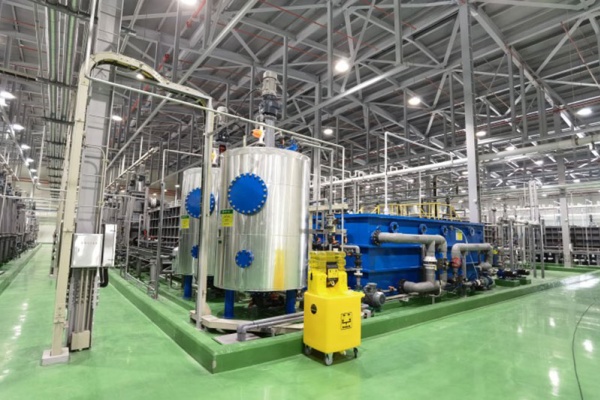
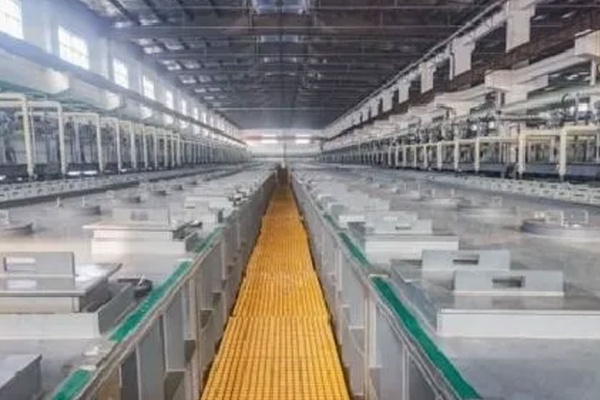
- Equipamento de lixiviação e reação
A seleção dos materiais do equipamento deve ser determinada de acordo com as condições reais de funcionamento, incluindo:
- Tipos de meios ácidos e alcalinos
- Concentração
- Temperatura
- Ambiente corrosivo
A seleção do equipamento não deve basear-se apenas em normas gerais relativas aos materiais.
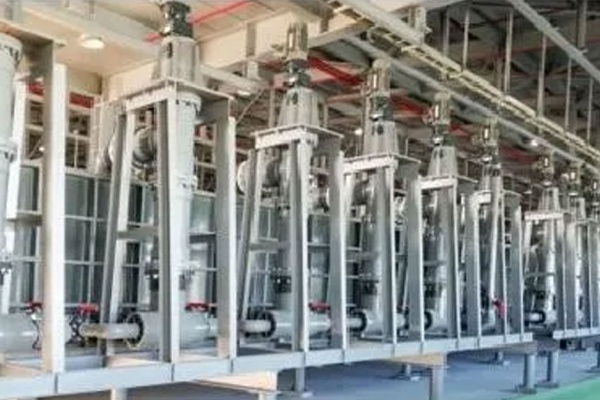
Equipamento de extração
O equipamento habitual inclui:
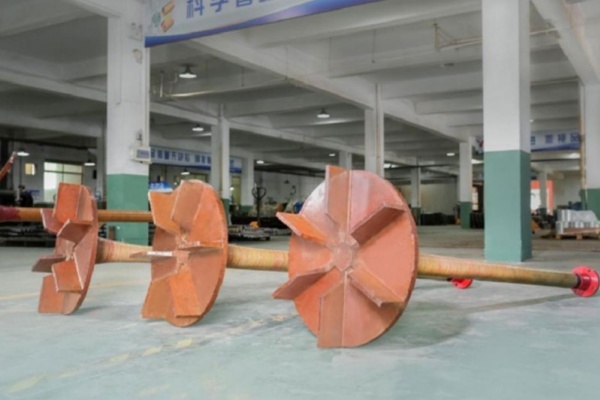
- Misturador Decantador
- Extrator tubular
A escolha do equipamento depende de:
- Composição da matéria-prima
- Capacidade de processamento
- Espaço disponível na fábrica
- Requisitos relativos à remoção de óleo e ao controlo de impurezas
Os sistemas de remoção de óleo podem ajudar a proteger os processos de extração a jusante.
Entre as soluções mais comuns contam-se:
- Remoção de óleo com base em resina
- Sistemas de flotação por ar dissolvido (DAF)
- Equipamento de tratamento ambiental
Equipamento de tratamento ambiental
Os principais sistemas incluem:
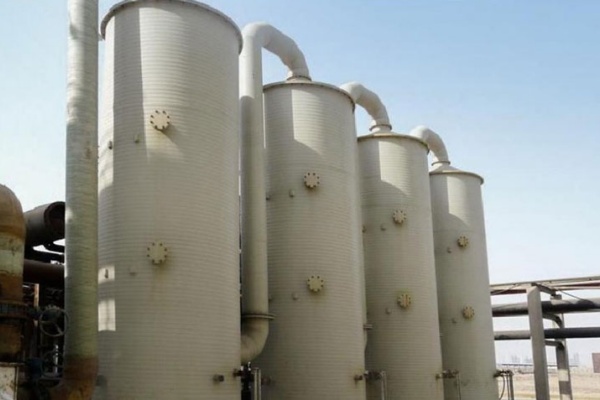
- Torres de absorção de névoa ácida
- Sistemas de absorção e regeneração de COV
- Sistemas de tratamento de águas residuais
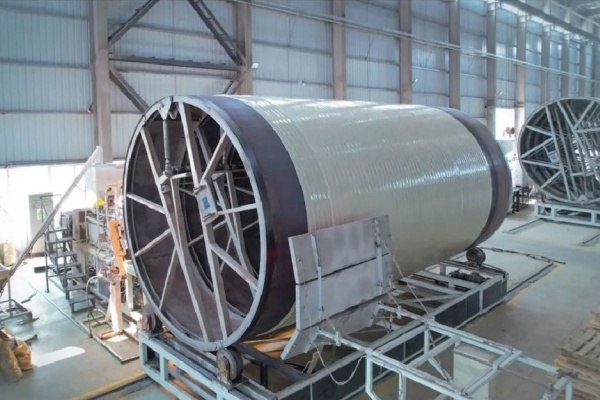
- Estruturas de equipamentos anticorrosão
Entre os materiais mais comuns contam-se:
- PPH
- PEAD
- PVC
- FRP
- Equipamento revestido a aço
A escolha dos materiais deve ser efetuada de acordo com condições específicas do processo.
A posição da TYIC na reciclagem de baterias de lítio
Hangzhou Tianyicheng New Energy Technology Co., Ltd. (TYIC) foi fundada em 1997 e foi cotada na bolsa da China Novo Terceiro Conselho em 2017 com código de ação 871858.
A TYIC centra-se em:
- Conceção de processos hidrometalúrgicos
- Recuperação de recursos de metais não ferrosos
- Soluções de reciclagem de baterias de lítio
- Soluções de tratamento ambiental
A atividade da empresa abrange:
- Reciclagem de pilhas de lítio usadas
- Recuperação de produtos intermédios de níquel-cobalto
- Purificação de metais
- Tratamento de águas residuais
- Tratamento de gases residuais
A TYIC fornece serviços integrados, desde a conceção de processos até à implementação de projetos, incluindo:
- Seleção do percurso do processo
- Concepção técnica
- Fabrico de equipamento à medida
- Sistemas de controlo de automação
- Instalação e colocação em funcionamento
- Formação de operadores
O equipamento principal inclui:
- Colonos do Mixer
- Equipamento tubular de mistura e extração
- Tanques de lixiviação
- Tanques de reação
- Equipamento anticorrosão em PPH/HDPE
- Sistemas de remoção de óleo
- Torres de absorção de névoa ácida
- Sistemas de tratamento de gases residuais
À medida que o mundo indústria de reciclagem de baterias de lítio avança para uma fase de desenvolvimento mais padronizada, A TYIC continuará a melhorar as suas capacidades técnicas e os seus serviços de engenharia, colaborando com parceiros do setor e clientes em todo o mundo para explorar novas tecnologias e soluções para reciclagem de recursos.
Informações de contacto da TYIC
Hangzhou Tianyicheng New Energy Technology Co., Ltd.
Gestora de Projetos no Estrangeiro: Jenny Yan
E-mail: info@tyic.net
Telefone: +86-0571-83733369
 Português
  English
  Deutsch
  Français
  Español
  Italiano