
Battery waste is becoming a supply-chain risk. Low recovery wastes critical materials and increases environmental pressure. High-efficiency recycling offers a cleaner solution.
A recent EV battery recycling breakthrough reports up to 99.99% lithium recovery from spent lithium-ion batteries. The method uses a neutral glycine-based leaching process and also recovers high levels of nickel, cobalt, and manganese. Its fast reaction time and mild conditions show strong potential for cleaner, more efficient battery recycling.
This progress highlights a key shift: battery waste is becoming a valuable secondary resource.
Table of Contents
Why Lithium Recovery Matters
The growth of electric vehicles is increasing demand for lithium, nickel, cobalt, and manganese. These metals are essential for battery production, but mining and refining them can be costly, energy-intensive, and environmentally sensitive.
As more EV batteries reach end-of-life, recycling has become a strategic part of the battery supply chain. The goal is no longer simple waste disposal. The industry now needs recycling systems that deliver:
- High metal recovery
- Stable process control
- Lower chemical consumption
- Reduced wastewater and emissions
- Reliable industrial operation
A 99.99% lithium recovery rate is significant because lithium is one of the most important materials in battery manufacturing. Higher recovery means less waste, better resource efficiency, and stronger support for closed-loop battery production.
What Makes This Breakthrough Important
Traditional battery recycling often depends on strong acids, high temperatures, or complex treatment steps. These methods can increase equipment corrosion, wastewater load, and operating costs.
The reported process is different because it uses a neutral leaching system based on glycine, a mild amino acid. This may help reduce the use of harsh chemicals while maintaining high recovery performance.
Another important advantage is speed. The process reportedly completes separation in about 15 minutes under laboratory conditions. Faster reaction time can improve production efficiency and reduce equipment footprint if the process is successfully scaled.
Key advantages include:
- Very high lithium recovery
- High recovery of nickel, cobalt, and manganese
- Milder chemical conditions
- Shorter processing time
- Potentially lower environmental impact
However, laboratory success is only the first step. Industrial recycling plants must handle mixed battery materials, impurities, moisture, unstable feed quality, and continuous production requirements. Therefore, pilot testing and engineering verification remain essential.
Impact on Battery Recycling Companies
For recycling companies, higher lithium recovery can improve both environmental and economic value. More recovered metal means better raw material utilization and less dependence on primary mining.
For battery material manufacturers, this technology supports closed-loop supply chains. Recovered metals may return to precursor and cathode material production, helping companies improve supply stability and meet sustainability goals.
For environmental solution providers, the breakthrough also creates higher demand for reliable industrial systems. Advanced recycling requires more than chemistry. It also needs durable equipment, efficient separation, safe storage, and compliant waste treatment.
Equipment Requirements for High-Recovery Recycling
Battery recycling involves complex chemical media, including metal ions, leaching agents, suspended solids, wastewater, and by-products. Equipment must remain stable under corrosive and demanding conditions.
Important equipment requirements include:
- Corrosion-resistant materials
- Efficient mixing and extraction
- Reliable sealing performance
- Safe chemical storage
- Wastewater and exhaust gas treatment
- Customized process layout
This is where industrial equipment manufacturers can support recycling projects. Hangzhou Tianyicheng New Energy Technology Co., Ltd. provides customized equipment and engineering services for new energy and environmental protection applications.
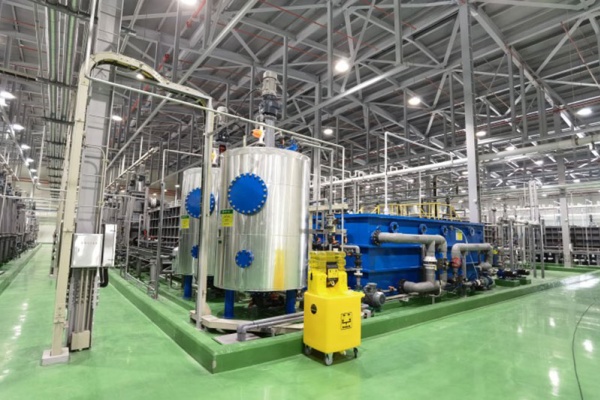
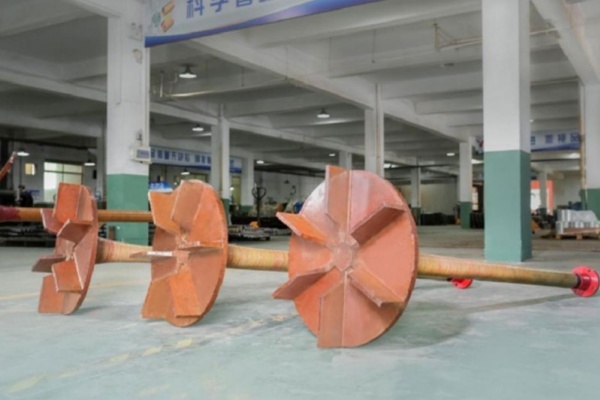
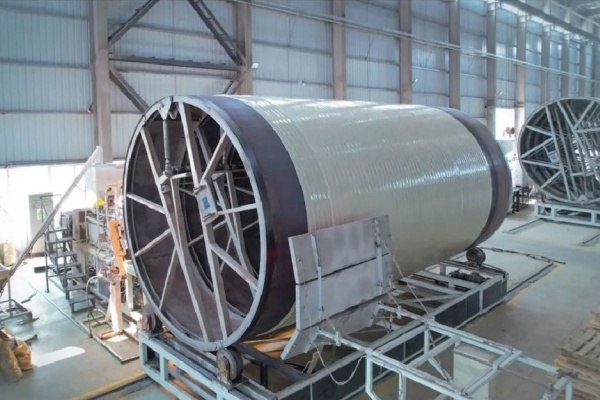
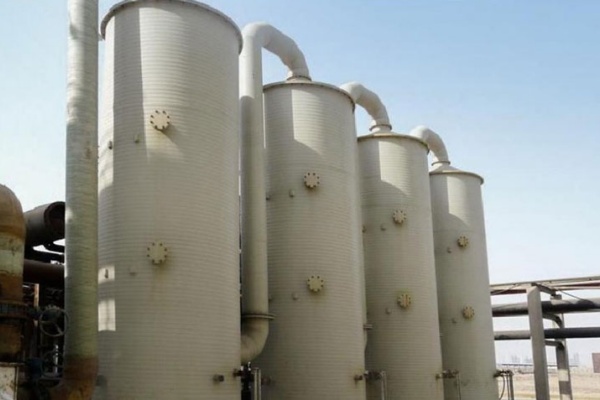
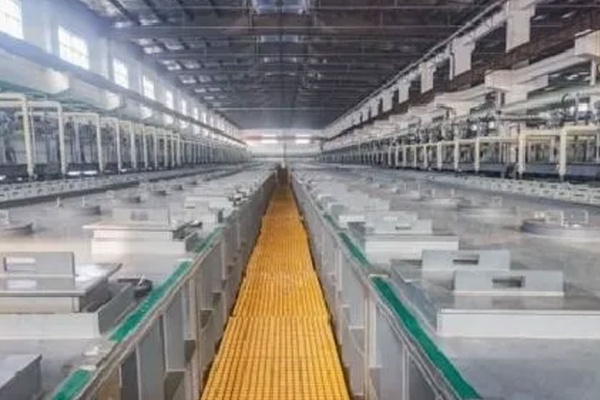
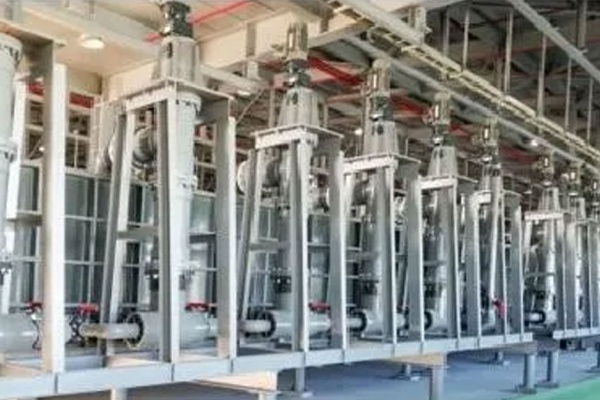
TYIC’s solutions include extraction equipment, tubular mixing extractors, micro-interface oil removal systems, PPH/HDPE storage tanks, waste gas and wastewater treatment systems, mixing equipment, plastic sheets, and corrosion-resistant tanks.
These systems can be used in key recycling stages such as leaching support, liquid-liquid extraction, impurity removal, reagent storage, process mixing, wastewater treatment, and environmental control.
From Laboratory Result to Industrial Production
The 99.99% lithium recovery result shows the direction of next-generation battery recycling: higher recovery, cleaner chemistry, faster processing, and stronger circularity.
But large-scale application still requires careful engineering. Companies must evaluate:
- Feed material consistency
- Process stability
- Equipment compatibility
- Corrosion resistance
- Automation control
- Wastewater and gas treatment
- Operating cost
- Environmental compliance
For this reason, cooperation between research teams, battery recyclers, material producers, and equipment manufacturers will be important. A successful recycling project depends on both advanced chemistry and reliable industrial execution.
A Cleaner Path for EV Battery Recycling
EV battery recycling is moving from waste treatment to resource recovery. Spent batteries contain valuable metals that can be reused in new battery production, reducing pressure on mining and improving supply-chain resilience.
The reported lithium recovery breakthrough supports this transition. It shows that battery recycling can become faster, cleaner, and more efficient when advanced process technology is combined with suitable engineering systems.
For companies in lithium battery recycling, non-ferrous metal recovery, and battery material production, the message is clear: future competitiveness will depend on recovery efficiency, environmental compliance, and reliable equipment design.
High-efficiency recycling will help turn spent EV batteries into strategic resources for the new energy industry.
 English
  Deutsch
  Français
  Português
  Español
  Italiano