
Improper lithium-ion battery recycling can cause metal loss, wastewater pressure, and environmental risks. If the process is not controlled, valuable resources may be wasted. A systematic recycling procedure helps recover metals safely and efficiently.
The procedure for recycling lithium-ion batteries includes collection, sorting, discharging, dismantling, crushing, separation, leaching, extraction, purification, and product recovery. Through mechanical pretreatment and hydrometallurgical processing, valuable metals such as nickel, cobalt, lithium, and manganese can be recovered for reuse in battery materials and industrial applications.
Understanding the full process helps recyclers improve safety, recovery efficiency, and environmental compliance.
Table of Contents
1. Collection and Transportation
The process starts with the collection of spent lithium-ion batteries from electric vehicles, energy storage systems, consumer electronics, and industrial battery packs.
At this stage, batteries must be handled carefully because they may still contain residual electricity, flammable electrolyte, and chemical hazards.
Key points include:
- Safe packaging
- Short-circuit prevention
- Leakage control
- Fire risk reduction
- Traceable transportation records
A clear collection and logistics system helps confirm the battery source, chemistry type, weight, condition, and storage status before further processing.
2. Sorting and Classification
After entering the recycling facility, batteries are sorted by type, chemistry, size, and condition.
Common battery chemistries include:
- Lithium iron phosphate batteries
- Nickel-cobalt-manganese batteries
- Nickel-cobalt-aluminum batteries
- Other lithium-ion battery systems
Sorting is important because different batteries require different treatment routes. Batteries containing nickel and cobalt may have higher recovery value, while other chemistries may need different process designs.
Damaged, swollen, leaking, or burnt batteries should be separated for special handling to reduce safety risks and process contamination.
3. Discharging and Safety Pretreatment
Before dismantling or crushing, spent batteries are usually fully discharged to reduce electrical hazards.
Residual electricity may cause:
- Sparks
- Short circuits
- Thermal runaway
- Equipment damage
- Worker safety risks
Discharging may be carried out through controlled electrical equipment or safe chemical methods. Safety pretreatment may also include inspection, temperature monitoring, and removal of unsuitable materials.
This step protects workers, equipment, and the entire recycling line.
4. Dismantling of Battery Packs and Modules
Large lithium-ion batteries, especially EV battery packs and energy storage batteries, are usually dismantled before material recovery.
The dismantling process may include removing:
- Outer casing
- Wiring
- Busbars
- Cooling plates
- Battery management systems
- Modules and cells
Dismantling can be manual, semi-automatic, or automatic. Manual dismantling is flexible for different battery structures, while automated dismantling improves efficiency when battery models are standardized.
This step also allows the recovery of aluminum, copper, steel, and other structural materials.
5. Crushing and Mechanical Separation
After safety pretreatment, battery cells are crushed under controlled conditions. Crushing opens the battery structure and releases internal materials.
Main materials include:
- Electrode powders
- Copper foil
- Aluminum foil
- Separators
- Casing materials
- Plastics
Because lithium-ion batteries may contain flammable electrolyte and fine active powder, crushing equipment should include dust control, gas treatment, and explosion prevention systems.
Mechanical separation may include screening, magnetic separation, air separation, and gravity separation. These methods help separate plastics, iron, copper, aluminum, and black mass.
6. Black Mass Collection
One of the most important outputs of mechanical pretreatment is black mass.
Black mass is a mixture of cathode and anode active materials. It usually contains valuable elements such as:
- Nickel
- Cobalt
- Manganese
- Lithium
- Graphite
The quality of black mass directly affects the efficiency of chemical recovery. If it contains too much aluminum, copper, plastic, or iron, downstream leaching and purification may become more difficult.
A stable pretreatment line helps produce cleaner black mass and improves the performance of hydrometallurgical recovery.
7. Leaching and Dissolution
After black mass collection, the process enters hydrometallurgical recovery. In this stage, black mass is treated with chemical solutions to dissolve valuable metals into liquid form.
This step is called leaching.
Main control factors include:
- Acid concentration
- Temperature
- Reaction time
- Solid-liquid ratio
- Reducing agents
The purpose is to transfer nickel, cobalt, manganese, lithium, and other valuable elements into the leach solution while controlling impurity dissolution.
A well-designed leaching system improves recovery efficiency and reduces chemical consumption.
8. Solid-Liquid Separation and Impurity Removal
After leaching, the slurry is separated into liquid and solid phases.
The liquid phase contains dissolved metal ions. The solid residue may contain graphite, plastics, undissolved materials, and other impurities.
The solution then enters impurity removal. Unwanted elements may include:
- Iron
- Aluminum
- Copper
- Calcium
- Magnesium
These impurities can be removed through precipitation, pH adjustment, filtration, or other purification methods.
This step is essential because final product quality depends on strict impurity control, especially for battery-grade materials.
9. Solvent Extraction and Metal Separation
After impurity removal, valuable metals must be selectively separated. Solvent extraction is commonly used because it can separate metal ions according to their chemical properties.
In this process, an organic phase contacts the aqueous metal solution. Specific metal ions transfer into the organic phase and are then stripped into another solution.
Through multi-stage extraction and stripping, nickel, cobalt, manganese, and lithium streams can be separated and concentrated.
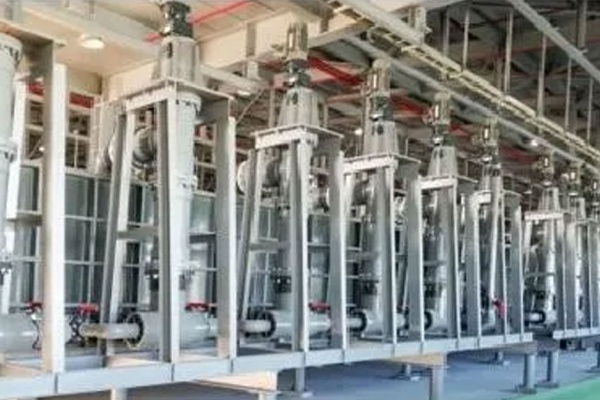
High-efficiency extraction equipment helps improve mass transfer efficiency, operation stability, and continuous production performance.
10. Purification and Product Recovery
The separated metal solutions are further purified and converted into reusable products.
Final products may include:
- Nickel sulfate
- Cobalt sulfate
- Manganese sulfate
- Lithium carbonate
- Lithium hydroxide
- Mixed precursor solutions
Common product recovery methods include crystallization, precipitation, evaporation, and drying.
To achieve stable product quality, the system must control concentration, purity, temperature, pH, and trace impurities.
11. Waste Gas, Wastewater, and Residue Treatment
Lithium-ion battery recycling is also an environmental protection process. Waste gas, wastewater, and solid residues must be properly treated.
Possible waste gas sources include:
- Electrolyte volatilization
- Crushing dust
- Acid mist
- Chemical reaction emissions
Wastewater may contain salts, acids, alkalis, organic substances, or trace metals.
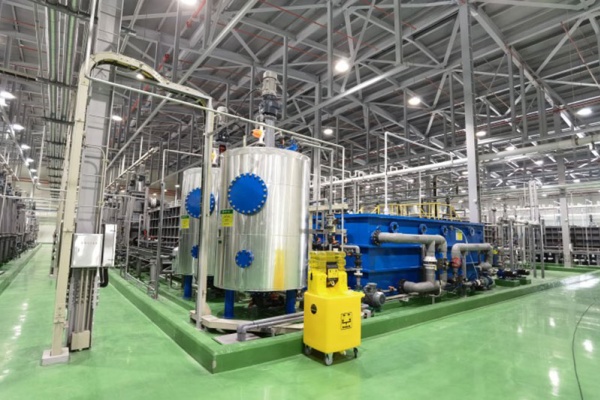
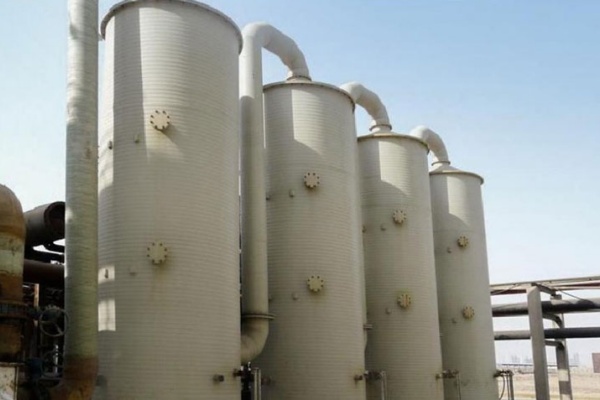
A complete recycling facility usually requires waste gas treatment, wastewater treatment, corrosion-resistant tanks, storage systems, and related process equipment. Materials such as PPH and HDPE are often used in corrosive environments because of their chemical resistance.
12. Process Integration and Equipment Customization
A modern lithium-ion battery recycling project requires an integrated process rather than isolated equipment.
The full system should connect:
- Safety pretreatment
- Mechanical separation
- Hydrometallurgy
- Solvent extraction
- Purification
- Environmental treatment
For industrial projects, process design, equipment layout, material selection, installation, and commissioning are all important.
Customized solutions can be developed according to battery type, processing capacity, metal recovery target, site conditions, and environmental requirements.
EPC-style services, including engineering, procurement, manufacturing, and installation, can help improve project reliability and long-term operating performance.
Conclusion
Lithium-ion battery recycling requires safe pretreatment, material separation, metal recovery, purification, and environmental treatment.
 English
  Deutsch
  Français
  Português
  Español
  Italiano