
Spent batteries contain valuable metals, yet outdated recycling wastes resources, increases pollution, and lowers profitability. Advanced integrated recycling technology solves this through precise recovery and battery-grade material regeneration.
Advanced battery recycling technology works by using a coordinated process of disassembly, crushing, roasting, leaching, extraction, purification, and crystallization or precipitation to recover nickel, cobalt, manganese, and lithium from spent batteries. With proper process design, automation, and corrosion-resistant equipment, recyclers can improve recovery rates, reduce waste, and produce battery-grade materials for a circular supply chain.
The real value lies in how each processing stage works together to turn hazardous battery waste into reusable industrial resources.
Table of Contents
⚙️ Why Advanced Battery Recycling Matters
As electric vehicle and energy storage markets continue to expand, the number of end-of-life lithium batteries is growing rapidly. These batteries are not simply discarded products. They contain nickel, cobalt, manganese, and lithium, all of which remain strategically valuable when recovered efficiently.
At the same time, they present environmental risks and operational challenges if they are processed with outdated, unstable, or incomplete recycling methods.
Advanced battery recycling technology is designed to address both economic and environmental concerns. On one side, it reduces dependence on virgin mining and improves resource circulation. On the other, it helps prevent hazardous disposal, minimizes secondary pollution, and supports cleaner industrial production.
For battery recyclers and material producers, the real objective is not only to recover metals, but to regenerate them into battery-grade compounds that can return to the supply chain.
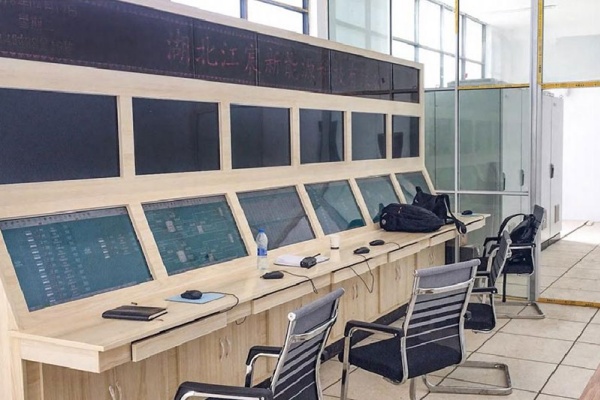
From an industrial perspective, this result depends on much more than a single recovery device. A modern recycling system requires a complete process route, stable mass transfer, corrosion-resistant equipment, environmental protection units, and intelligent automation.
TYIC, as a manufacturer focused on extraction equipment, environmental protection equipment, mixing systems, and corrosion-resistant tanks, supports this type of integrated industrial application through design, manufacturing, and installation services.
🔄 The Core Process Flow of Advanced Battery Recycling
In practical production, advanced battery recycling generally follows a multi-step path. Depending on the chemistry of the spent batteries and the customer’s recovery targets, the process may include:
- disassembly
- crushing
- roasting
- leaching
- extraction
- purification
- evaporation
- crystallization
- precipitation
- electrowinning
Each stage plays a distinct role in separating valuable metals and preparing them for reuse.
The first step is usually physical pretreatment. Batteries are discharged, dismantled, and crushed so that active material can be separated from shells, foils, plastics, and other components.
This stage improves feed uniformity for downstream processing and reduces interference during chemical treatment.
In some production routes, roasting is added after crushing to remove residual organics, improve material stability, and support later leaching performance.
Leaching is the next major stage. In this step, valuable metals are dissolved from the solid battery material into a liquid phase under carefully controlled chemical conditions.
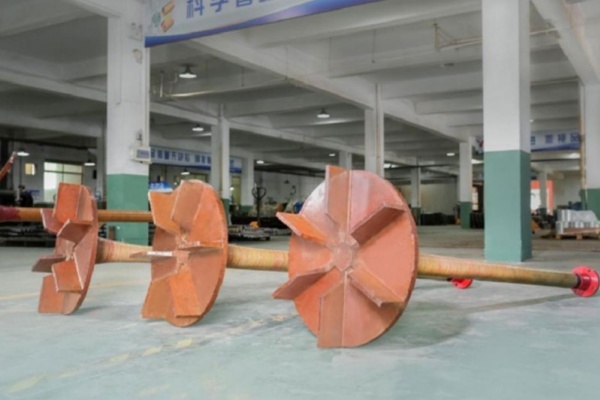
Efficient leaching depends on proper reaction control, reliable mixing, and equipment materials that can withstand corrosive environments. For industrial operators, the quality of tanks and mixing systems directly affects process stability, metal dissolution efficiency, and long-term operating safety.
After leaching, solvent extraction becomes one of the most critical operations in the entire recycling line. This stage is used to selectively separate nickel, cobalt, manganese, and other metals according to their chemical properties.
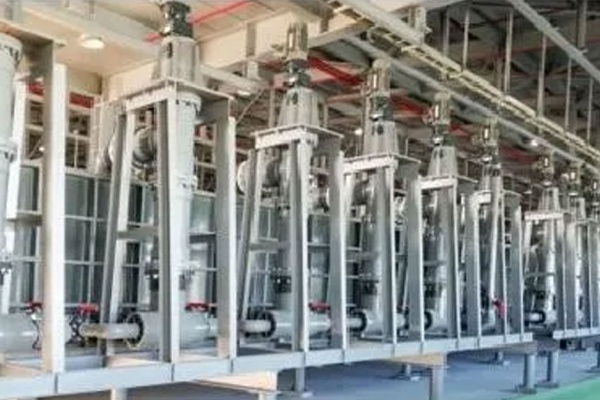
Since separation accuracy directly affects the purity of the final products, extraction efficiency is closely tied to equipment design. TYIC’s extraction-related systems, such as tubular mixing extractors and other customized extraction units, are designed to support high mass-transfer efficiency, stable separation, and continuous industrial operation.
🧪 From Metal Separation to Battery-Grade Products
Recovering metal ions from solution is only part of the task. To create real industrial value, those metals must be further purified and converted into usable products.
Depending on the selected route, this may involve:
- evaporation
- crystallization
- precipitation
- ion exchange
- electrowinning
The final aim is to produce battery-grade nickel salts, cobalt salts, manganese compounds, and lithium products that can re-enter precursor or cathode material manufacturing.
This requirement makes process consistency especially important. A line that merely extracts metals without stable purification cannot reliably meet the quality expectations of downstream battery material producers.
For this reason, advanced battery recycling requires a complete engineering framework rather than isolated process units. Process flow design, equipment matching, automation logic, utility coordination, and workshop layout must all work together.
TYIC’s industrial positioning aligns with this need. Its business scope includes not only equipment manufacturing, but also process design, equipment layout optimization, materials selection, installation, and commissioning support.
In battery recycling projects, this kind of integrated capability can improve project coordination and reduce performance gaps between design and actual plant operation.
🏭 Why Equipment Design Determines Recycling Performance
Battery recycling is a harsh industrial environment. Leaching liquids, extraction agents, acidic media, wastewater streams, and exhaust gases all create demanding operating conditions.
If the equipment materials are not properly selected, plants may face:
- corrosion
- leakage
- contamination
- maintenance pressure
- production downtime
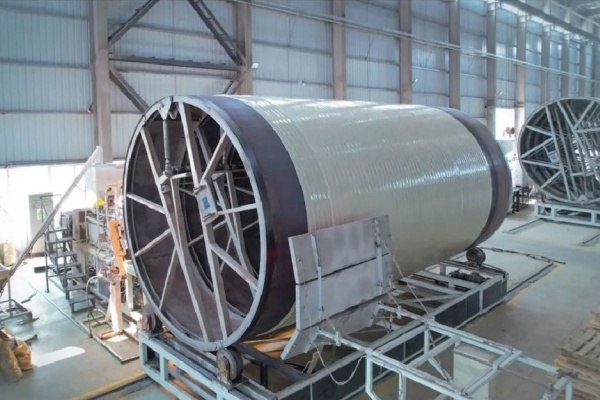
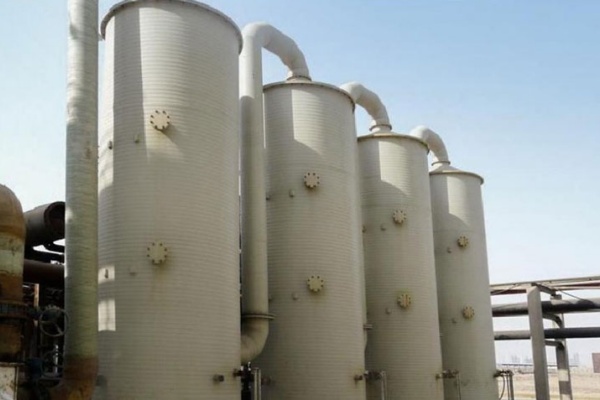
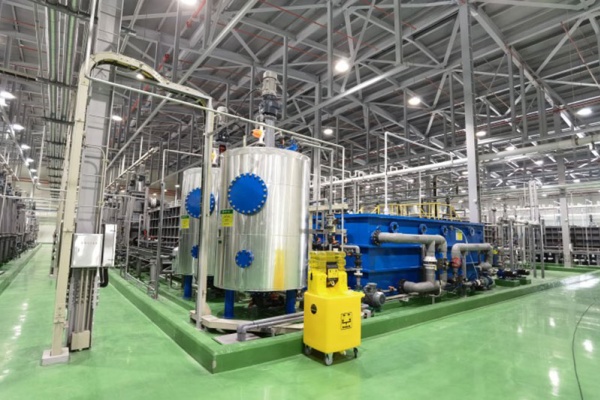
This is why corrosion-resistant equipment is essential throughout the recycling line. TYIC manufactures PPH, HDPE, PVC, FRP, and lined equipment for aggressive chemical environments, including storage tanks, reaction tanks, mixing units, oil removal systems, and waste gas treatment equipment.
In advanced battery recycling, these components help ensure safe fluid handling, stable process performance, and longer service life.
Environmental protection systems are equally important. Metal recovery cannot be considered truly advanced if the line produces uncontrolled waste gas or wastewater.
Acid mist absorption systems, organic waste gas treatment units, and wastewater treatment solutions must be integrated into the overall plant design. This allows battery recyclers to improve compliance, reduce environmental burden, and operate with greater sustainability.
The Role of Engineering and Automation
Advanced battery recycling technology is not defined by chemistry alone. It also depends on how effectively each process is connected, controlled, and scaled.
A well-engineered line must be able to:
- respond to raw material variability
- maintain product consistency
- support safe continuous operation
Automation helps stabilize key parameters, while engineering design ensures that equipment, piping, control systems, and utilities function as a coordinated whole.
For customers in lithium battery recycling and non-ferrous metal processing, customized system design is often more important than off-the-shelf equipment. Different plants have different feed materials, product specifications, capacity targets, and compliance requirements.
An EPC-capable supplier with process and equipment experience can therefore provide stronger support across the full lifecycle of the project.
Advanced battery recycling works best when recovery technology, corrosion-resistant equipment, environmental systems, and engineering execution are integrated into one complete industrial solution.
Summary:
Advanced battery recycling transforms waste batteries into valuable battery-grade resources through integrated recovery technology, durable equipment, and complete engineering support.
 English
  Deutsch
  Français
  Português
  Español
  Italiano