
Battery waste is increasing while critical-metal supply remains uncertain. Inefficient recovery raises costs and environmental risks; scalable recycling technologies offer a practical solution.
The global lithium-ion battery recycling market was valued at approximately USD 5.38 billion in 2025 and may reach USD 32.20 billion by 2034. Asia Pacific currently leads the market, while hydrometallurgical processing remains a dominant technology because of its ability to recover valuable metals efficiently.
This analysis examines market size, regional distribution, technology trends, growth drivers, operational challenges, and equipment opportunities.
Indice dei contenuti
Market Overview
The lithium-ion battery recycling market is entering a period of rapid expansion. Growth is being supported by increasing electric vehicle production, rising battery retirement volumes, stronger environmental regulations, and growing demand for secure supplies of lithium, nickel, cobalt, manganese, and copper.
Market estimates vary because research organizations use different definitions. Some studies include battery collection, dismantling, black-mass production, refining, and recovered-material sales. Others focus only on selected recycling services or processing stages.
According to Fortune Business Insights, the market could grow from USD 5.38 billion in 2025 a USD 6.47 billion in 2026, before reaching approximately USD 32.20 billion by 2034. This represents a projected compound annual growth rate of 22.24%.
Mordor Intelligence provides a different estimate, valuing the market at approximately USD 4.33 billion in 2025 and projecting it to reach USD 14.79 billion by 2031, with a compound annual growth rate of 23.87%.
Despite differences in total market value, both forecasts indicate sustained double-digit growth.
Key evaluation factors: annual growth rate, installed recycling capacity, feedstock availability, recovery efficiency, operating cost, and contracted material supply.
Regional Market Share
Asia Pacific
Asia Pacific currently holds the largest share of the lithium-ion battery recycling market. Its leadership is supported by:
- A large battery manufacturing base
- Rapid electric vehicle production
- Established collection and recycling networks
- Extensive hydrometallurgical processing capacity
- Strong demand for recovered battery materials
One market assessment attributed 90.83% of global revenue in 2025 to Asia Pacific, while another estimated the region’s share at approximately 44.6%. The difference reflects variations in market scope, value-chain coverage, and research methodology.
Europa
Europe is becoming an important recycling growth market due to regulatory requirements, investments in local battery supply chains, and demand for recycled content.
European regulations require lithium-based batteries to achieve approximately:
| Regulatory Target | Requirement |
|---|---|
| Recycling efficiency by 2025 | 65% |
| Recycling efficiency by 2030 | 70% |
| Cobalt, copper, and nickel recovery by 2031 | 95% |
| Lithium recovery by 2031 | 80% |
These requirements are encouraging investment in collection systems, black-mass processing, metal separation, and battery-grade refining.
Nord America
North America remains smaller in current processing volume but has significant expansion potential. Investment is focused on:
- Domestic critical-mineral security
- Closed-loop automotive supply chains
- Black-mass processing
- Battery-grade material production
- Long-term recycling agreements
Market Share by Battery Source
Automotive batteries are becoming the most important recycling feedstock as electric vehicles enter repair, second-life, and retirement cycles.
Mordor Intelligence estimated that automotive batteries represented approximately 63.8% of end-of-life battery sources in 2025. Automotive end users also accounted for an estimated 68.3% of market revenue.
Consumer electronics continue to provide a mature waste stream. However, future recycling volume will increasingly come from:
- Veicoli elettrici
- Sistemi di accumulo di energia
- Commercial transportation
- Industrial battery applications
The timing of battery retirement will strongly influence feedstock availability and plant utilization.
Market Share by Battery Chemistry
NMC Batteries
Nickel-manganese-cobalt batteries contain several high-value metals, including nichel, cobalto, manganese e litio. Their material composition supports recycling processes such as:
- Lisciviazione
- Estrazione con solvente
- Precipitazioni
- Cristallizzazione
- Scambio ionico
NMC batteries represented an estimated 50.1% of the market in 2025.
LFP Batteries
Lithium iron phosphate batteries are expanding rapidly because of their safety, cost, and cycle-life advantages. However, their lower nickel and cobalt content can reduce recycling profitability.
As LFP volumes increase, recyclers will need to improve:
- Lithium recovery rates
- Process automation
- Feedstock sorting
- Efficienza energetica
- Logistics management
- Operating-cost control
Recycling Technology Trends
Hydrometallurgical Processing
Hydrometallurgy held an estimated 54.7% revenue share in 2025. It uses controlled chemical processes to separate and purify lithium, nickel, cobalt, manganese, copper, and other valuable materials.
Its main advantages include:
- High metal recovery potential
- Separazione selettiva
- Flexible process configuration
- Compatibility with battery-grade refining
- Lower operating temperatures than pyrometallurgy
Mechanical Pretreatment
Mechanical pretreatment prepares batteries for downstream recovery. Typical stages include:
- Discharging
- Smontaggio
- Frantumazione
- Screening
- Sorting
- Black-mass production
Efficient pretreatment improves downstream recovery and reduces contamination.
Pyrometallurgy and Direct Recycling
Pyrometallurgy offers strong feedstock flexibility but may involve higher energy consumption and lower lithium recovery.
Direct recycling aims to preserve cathode material value rather than fully separating metals. Its commercial development depends on chemistry consistency, contamination control, and product qualification.
Growth Drivers
The main factors supporting market expansion include:
- Increasing electric vehicle adoption
- Rising volumes of retired batteries
- Producer-responsibility regulations
- Critical-mineral supply risks
- Demand for lower-carbon battery materials
- Development of circular supply chains
- Government support for domestic recycling capacity
The International Energy Agency estimates that recycled batteries could eventually supply 20%–30% of lithium, nickel, and cobalt demand by 2050, provided that collection and recovery systems improve.
Market Challenges
Rapid market growth does not eliminate operational risks. Recycling companies must manage:
- Uncertain feedstock availability
- Volatile metal prices
- Hazardous-material transportation
- Inconsistent battery designs
- High commissioning costs
- Competition for black mass
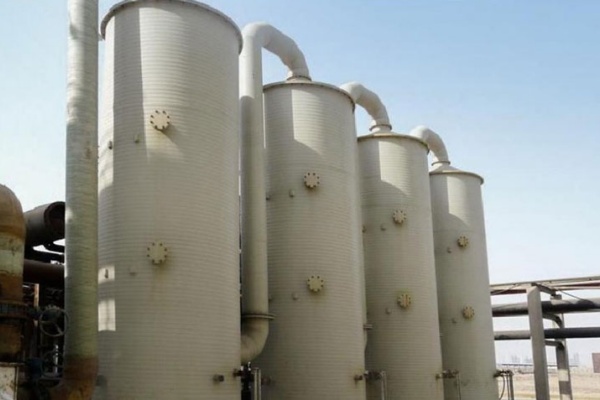
- Complex wastewater and waste-gas treatment
- Changing battery chemistries
The rapid adoption of LFP batteries may also weaken business models that depend heavily on cobalt and nickel recovery.
Successful projects must evaluate recovery yield, throughput, chemical consumption, energy use, product quality, environmental compliance, and operating cost as an integrated system.
Opportunities for Industrial Equipment Suppliers
The growing recycling market creates demand for suppliers capable of combining:
- Process engineering
- Corrosion-resistant equipment
- Sistemi di estrazione e separazione
- Trattamento delle acque reflue
- Waste-gas control
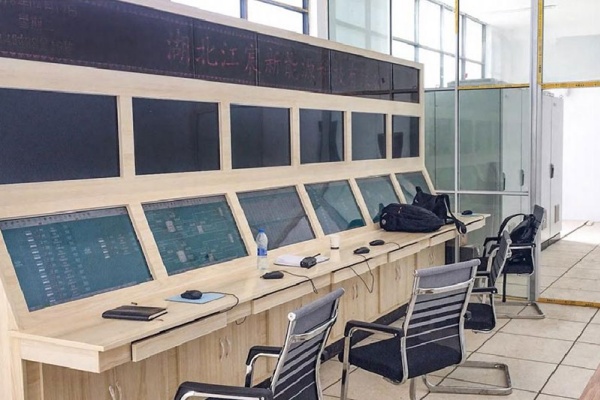
- Automation and instrumentation
- Installazione e messa in servizio
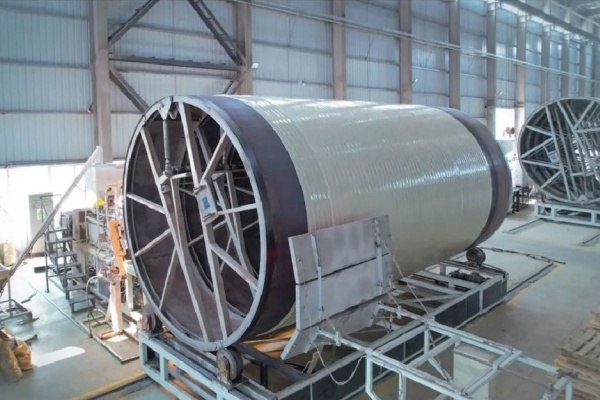
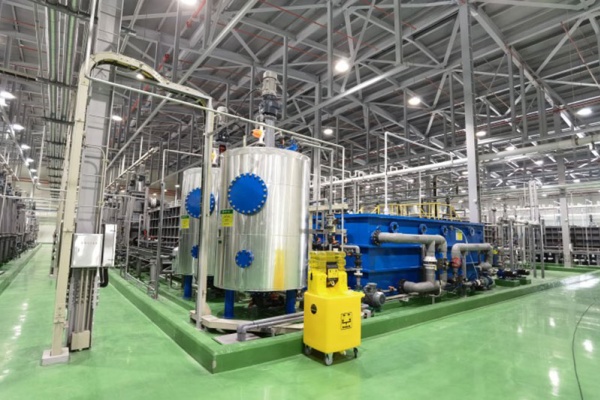
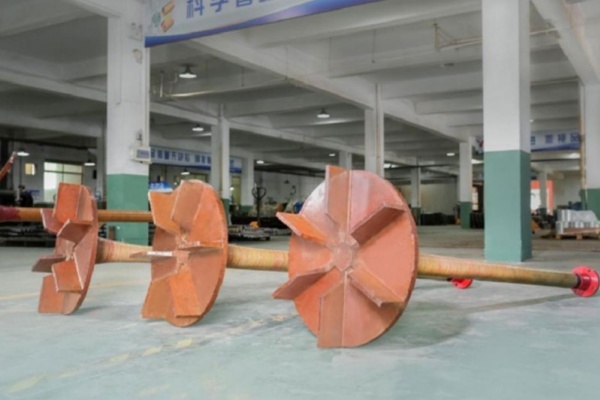
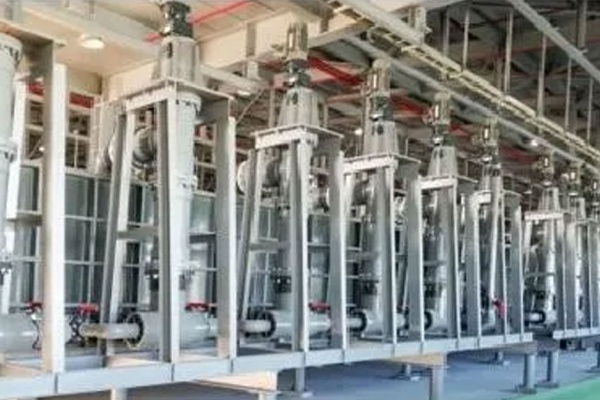
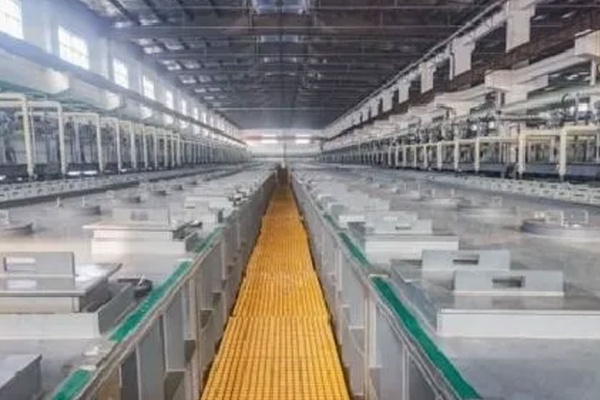
TYIC provides customized engineering solutions for battery recycling processes, including dismantling, crushing, roasting, leaching, extraction, evaporation, crystallization, electrowinning, precipitation, and ion exchange.
Its service scope can include PFD and P&ID development, equipment customization, workshop layout, pipeline planning, control-system design, installation support, operator training, and commissioning.
Material selection is particularly important because acidic solutions, organic extractants, chlorides, and metal-bearing wastewater can accelerate corrosion. Properly designed extraction equipment, corrosion-resistant tanks, oil-removal systems, and environmental treatment units can improve plant stability and equipment life.
Market growth is strong, but long-term competitiveness will depend on secure feedstock, efficient recovery, regulatory compliance, and integrated engineering.
 Italiano
  English
  Deutsch
  Français
  Português
  Español