
Indice dei contenuti
Gli Stati Uniti limitano le esportazioni di rifiuti di batterie: l'impatto sulle aziende di riciclaggio
Il 30 luglio 2026, gli Stati Uniti hanno emanato un decreto presidenziale che autorizza l'introduzione di restrizioni all'esportazione di rifiuti elettronici contenenti minerali critici, tra cui batterie usate e rifiuti di materiali magnetici. Il presente articolo analizza in che modo tale politica potrebbe influire sui flussi globali di materiali destinati al riciclaggio delle batterie.
Su 30 luglio 2026, gli Stati Uniti hanno firmato un decreto presidenziale che autorizza le agenzie federali a limitare l'esportazione di rifiuti elettronici contenenti minerali critici. Secondo i rapporti di settore, la polizza copre batterie usate, tungsteno, litio, scarti di materiali per magneti permanenti e altri sottoprodotti industriali ricchi di metalli rari o critici.
Gli obiettivi principali della presente politica sono i seguenti:
- Mantenere le risorse di scarto di alto valore all’interno degli Stati Uniti;
- Sostenere lo sviluppo delle capacità nazionali di riciclaggio e raffinazione;
- Ridurre la dipendenza dalle catene di approvvigionamento di minerali critici provenienti dall'estero.
Per aziende estere specializzate nel riciclaggio delle batterie, operatori commerciali e investitori in progetti, questa politica implica che in futuro la pianificazione della filiera delle materie prime richiederà maggiore attenzione e flessibilità.
Quali materiali rientrano nell'ambito di applicazione del decreto esecutivo?
Secondo i rapporti di settore, i materiali in questione potrebbero includere:
- Batterie agli ioni di litio usate e rifiuti di batterie;
- Rifiuti contenenti magneti permanenti a base di terre rare;
- Tungsteno e materiali contenenti litio;
- Altri sottoprodotti industriali ricchi di metalli strategici.
Questi materiali trovano ampio impiego nei seguenti settori:
- Motori per veicoli elettrici;
- Batterie per l'accumulo di energia;
- Impianti eolici;
- Applicazioni nel settore della difesa.
Attualmente, il decreto esecutivo prevede principalmente un quadro normativo in materia di autorizzazioni. Specifico elenchi di restrizioni, procedure di dichiarazione e condizioni di esenzione dovrà essere confermato tramite successivi regolamenti emanati dal Dipartimento del Commercio degli Stati Uniti.
Perché gli Stati Uniti vogliono limitare le esportazioni di rifiuti?
Gli Stati Uniti ritengono che Le batterie usate, i materiali per magneti permanenti e altri flussi di rifiuti industriali contengono risorse strategiche preziose e recuperabili.
Con le restrizioni alle esportazioni, gli Stati Uniti mirano a:
- Aumentare la disponibilità di materie prime per le imprese nazionali di riciclaggio;
- Realizzare un sistema completo di riciclaggio dei minerali critici;
- Ridurre la dipendenza dalle catene di approvvigionamento estere.
Con la continua crescita di i settori dei veicoli elettrici e dello stoccaggio di energia, l'importanza di litio, nichel, cobalto, manganese ed elementi delle terre rare continua ad aumentare.
In futuro, Le batterie usate e i rifiuti industriali diventeranno importanti risorse secondarie per il settore globale delle nuove energie, piuttosto che semplici materiali di scarto.
Ripercussioni sulle aziende di riciclaggio al di fuori degli Stati Uniti
Per aziende specializzate nel riciclaggio delle batterie in Cina e in altri paesi, l'impatto maggiore è:
Aumento dei rischi legati all'approvvigionamento delle materie prime.
Le aziende devono prestare attenzione a:
- Se le fonti di materie prime dipendono eccessivamente da un unico paese;
- Se le linee di produzione siano in grado di lavorare materiali per batterie provenienti da fonti diverse;
- Se i prodotti riciclati mantengano una qualità costante.
Il settore globale del riciclaggio delle batterie potrebbe trovarsi ad affrontare un un contesto più complesso per il commercio delle materie prime in futuro.
Le aziende dovranno non solo canali di approvvigionamento stabili ma anche tecnologie di riciclaggio flessibili in grado di gestire diversi tipi di batterie usate, "massa nera" e rifiuti industriali.
In che modo i progetti di riciclaggio delle batterie possono migliorare la competitività in un contesto di mutevoli condizioni relative alle materie prime?
Di fronte ai cambiamenti in catene di approvvigionamento dei minerali critici, le aziende di riciclaggio devono ridurre i rischi operativi attraverso progettazione dei processi ottimizzata e soluzioni ingegneristiche.
In progetti di riciclaggio idrometallurgico, una progettazione adeguata del processo può migliorare l'adattabilità alle diverse materie prime, tra cui:
- Progettazione di percorsi di processo flessibili per diverse composizioni chimiche delle batterie;
- Selezione delle attrezzature adeguate per la lisciviazione, la depurazione e l'estrazione;
- Rafforzamento dei sistemi di controllo delle impurità e di rimozione dell'olio;
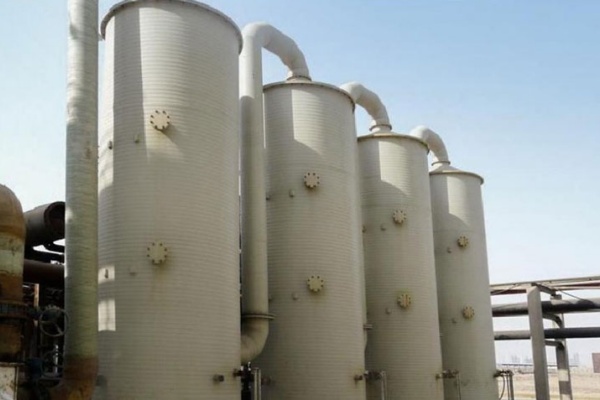
- Miglioramento dei sistemi di trattamento delle acque reflue e dei gas di scarico;
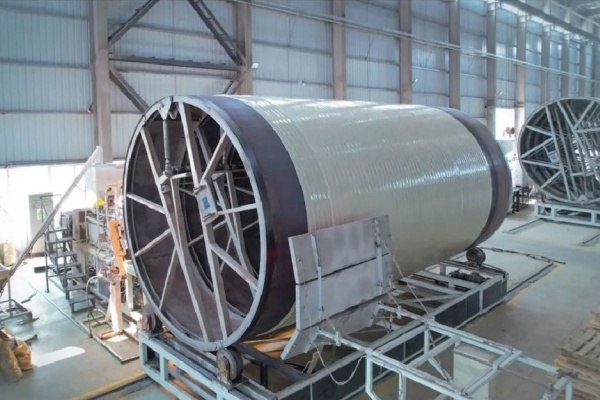
- Selezionare materiali resistenti alla corrosione quali PPH, HDPE, PVC e FRP in base alle effettive condizioni operative.
Soprattutto nel recupero di nichel, cobalto e litio, il fase di lisciviazione, separazione mediante estrazione con solvente e sistemi di trattamento ambientale sono strettamente collegati.
La scelta dei materiali delle apparecchiature, il controllo dell'automazione e l'ottimizzazione dei processi influenzano direttamente la stabilità del progetto, i tassi di recupero dei metalli e i costi operativi a lungo termine.
Pertanto, le future aziende di riciclaggio dovranno concentrarsi non solo su approvvigionamento delle materie prime ma anche sul miglioramento del adattabilità ed efficienza dei sistemi di riciclaggio.
Le competenze ingegneristiche e di processo diventano fattori chiave per i progetti di riciclaggio delle batterie
Mentre i paesi continuano a rafforzare il proprio strategie relative ai minerali critici, i progetti di riciclaggio delle batterie si stanno gradualmente spostando dal semplice trattamento dei rifiuti verso soluzioni sistematiche per il recupero delle risorse.
A seconda dei diversi tipi di materiali presenti nelle batterie usate, le aziende devono ottimizzare i processi di riciclaggio sulla base dei seguenti fattori:
- Composizione delle materie prime;
- Requisiti relativi alla capacità produttiva;
- Prodotti recuperati da Target.
Ciò comprende:
- Ottimizzazione delle condizioni di lisciviazione;
- Progettazione di soluzioni per la separazione dei metalli;
- Scelta di apparecchiature resistenti alla corrosione;
- Configurazione del sistema di protezione ambientale.
Le aziende con capacità complete di progettazione dei processi ed esperienza ingegneristica può contribuire ai progetti di riciclaggio ridurre l'incertezza durante la costruzione e l'esercizio, migliorando al contempo l'efficienza nell'utilizzo delle risorse.
Hangzhou Tianyicheng New Energy Technology Co., Ltd. (TYIC) si è concentrata su nuove tecnologie per il riciclaggio dei materiali energetici e l'idrometallurgia da molti anni, con una vasta esperienza nei seguenti settori:
- Riciclaggio delle batterie;
- Purificazione dei metalli;
- Soluzioni per il trattamento ambientale.
TYIC è stata fondata nel 1997 ed è stata quotata sul New Third Board cinese nel 2017 con il codice azionario 871858.
L'azienda offre:
- Progettazione di processi idrometallurgici;
- Soluzioni per il riciclaggio delle batterie agli ioni di litio;
- Recupero dei prodotti intermedi a base di nichel e cobalto;
- Purificazione dei metalli;
- Trattamento delle acque reflue e dei gas di scarico.
Durante la realizzazione del progetto, TYIC fornisce servizi integrati basati sulle materie prime e sulle esigenze produttive dei clienti, tra cui:
- Selezione e ottimizzazione del percorso di processo;
- Progettazione di attrezzature su misura;
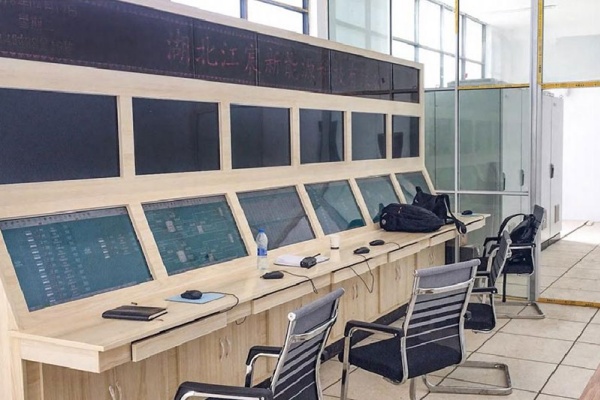
- Sistemi di controllo dell'automazione;
- Assistenza alla messa in servizio del progetto;
- Formazione tecnica.
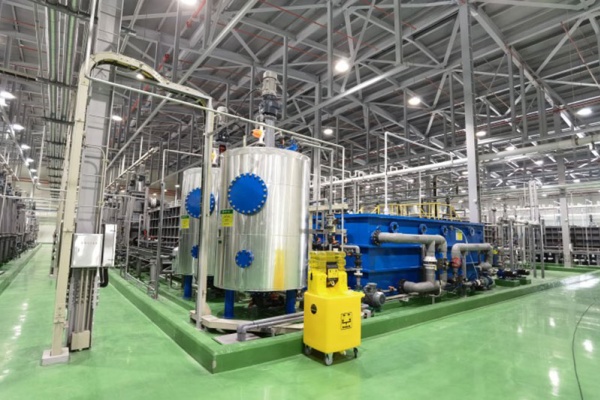
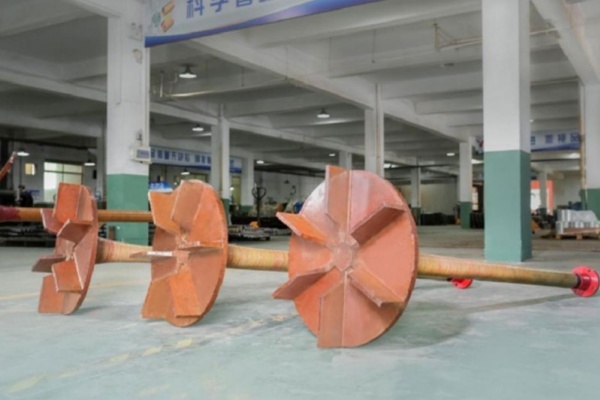
Le attrezzature correlate includono:
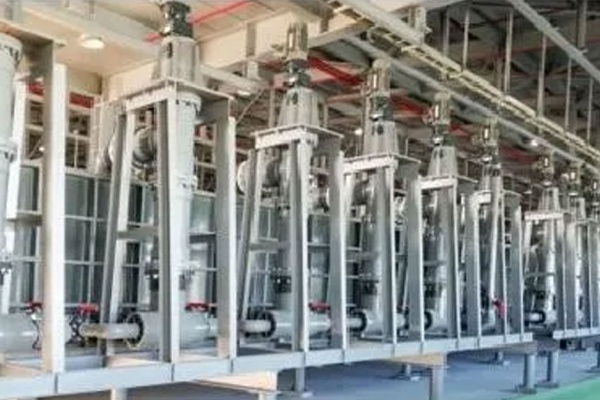
- Decantatori a miscelatore;
- Apparecchiature tubolari di estrazione;
- Reattori di lisciviazione;
- Apparecchiature in PPH/HDPE resistenti alla corrosione;
- Sistemi di rimozione dell'olio;
- Sistemi di trattamento dei gas di scarico.
Combinando ingegneria di processo, produzione di impianti ed esperienza in progetti, TYIC aiuta i clienti a migliorare la loro capacità di lavorare diversi tipi di materiali per batterie e di far fronte alle sfide poste dai cambiamenti in catene di approvvigionamento globali dei minerali critici.
Tendenze future del settore globale del riciclaggio delle batterie
Man mano che i paesi rafforzano il loro strategie relative ai minerali critici, il valore della risorsa batterie usate e rifiuti industriali continuerà ad aumentare.
In futuro, le aziende di riciclaggio dovranno concentrarsi non solo sull'approvvigionamento di materie prime, ma anche su:
- Adattabilità del processo;
- Efficienza nel recupero delle risorse;
- Capacità in materia di tutela ambientale;
- Stabilità del progetto nel lungo periodo.
Ottimizzazione precoce di tecnologie di riciclaggio e soluzioni ingegneristiche diventerà un importante vantaggio competitivo sul mercato globale.
Per le aziende che intendono progetti di riciclaggio delle batterie al litio, di trattamento idrometallurgico o di recupero dei metalli critici, collaborando con partner che hanno solide competenze nella progettazione e nell'ingegnerizzazione dei processi può contribuire a ridurre i rischi legati al progetto e a migliorare la stabilità operativa a lungo termine.
Per ulteriori informazioni su processi di riciclaggio delle batterie, impianti idrometallurgici e soluzioni progettuali, si prega di contattare:
TYIC
Hangzhou Tianyicheng New Energy Technology Co.
Responsabile dei progetti internazionali: Jenny Yan
E-mail: info@tyic.net
Tel.: +86-0571-83733369
Domande frequenti
La restrizione statunitense all'esportazione dei rifiuti di batterie è entrata ufficialmente in vigore?
Attualmente, il decreto esecutivo prevede principalmente un quadro normativo in materia di autorizzazioni. L'ambito specifico di applicazione dipenderà dalle successive disposizioni emanate dal Dipartimento del Commercio degli Stati Uniti.
Quali materiali potrebbero essere interessati?
I materiali potenzialmente interessati includono batterie usate, tungsteno, litio, scarti di materiali per magneti permanenti e altri sottoprodotti industriali contenenti minerali critici.
Le aziende che utilizzano esclusivamente materie prime nazionali sono interessate da questa misura?
Potrebbero essere colpiti indirettamente. Le variazioni nei flussi commerciali globali dei rifiuti potrebbero influenzare i prezzi delle materie prime e la concorrenza sul mercato.
Con l'intensificarsi della concorrenza globale per i minerali critici, le aziende che si occupano di riciclaggio delle batterie devono concentrarsi maggiormente sulla sicurezza della catena di approvvigionamento, sulla flessibilità dei processi e sulle capacità di recupero delle risorse. Ottimizzare in anticipo le tecnologie di riciclaggio e le soluzioni ingegneristiche sarà fondamentale per mantenere la competitività in futuro.
 Italiano
  English
  Deutsch
  Français
  Português
  Español