
Rapid battery-recycling expansion makes plant capacities difficult to compare. Incorrect capacity assumptions can cause poor investment decisions. A structured comparison helps identify leading recycling projects.
The largest lithium battery recycling plants include projects operated or developed by Brunp, Ganfeng Lithium, GEM, ABTC, Redwood Materials, Blue Whale Materials, Glencore/Li-Cycle, Ascend Elements, SK ecoplant/TES, and Recyclus. Reported annual capacities range from approximately 22,000 to 120,000 metric tons, depending on facility design, licensed capacity, and operating status.
The following ranking compares capacity, location, processing scope, and strategic importance across major lithium battery recycling facilities.
Table of Contents
Quick Comparison: Top 10 Lithium Battery Recycling Plants
| Rank | Company / Project | Location | Reported Annual Capacity |
|---|---|---|---|
| 1 | Brunp Recycling | China | 120,000 tons |
| 2 | Ganfeng Lithium | China | 100,000 tons |
| 3 | American Battery Technology Company | United States | 100,000 tons |
| 4 | GEM | China | 100,000 tons |
| 5 | Redwood Materials | United States | ~60,000 tons |
| 6 | Blue Whale Materials | United States | 50,000 tons |
| 7 | Glencore / Li-Cycle | Germany | 30,000 tons |
| 8 | Ascend Elements | United States | 30,000 tons |
| 9 | SK ecoplant / TES / Ascend Elements | United States | 24,000 tons |
| 10 | Recyclus Group | United Kingdom | 22,000 tons |
Note: Capacity figures may represent operating, design, intake, output, or licensed capacity. They should therefore be used as reference values rather than direct performance comparisons.
1. Brunp Recycling — China
Reported Capacity: 120,000 Tons per Year
Brunp Recycling reports approximately 120,000 tons of waste traction-battery recycling capacity annually, with additional capacity under construction.
Its recycling operations integrate battery dismantling, hydrometallurgical processing, material separation, and regeneration, enabling recovery of valuable metals including lithium, nickel, cobalt, and manganese.
As part of CATL’s battery ecosystem, Brunp represents one of the largest integrated battery recycling operations currently associated with China’s rapidly expanding circular battery supply chain.
2. Ganfeng Lithium — Quannan, China
Reported Capacity: 100,000 Tons per Year
Ganfeng Lithium’s Quannan battery recycling project has a first-phase design capacity of approximately 100,000 tons of retired lithium batteries annually.
The project supports Ganfeng’s broader closed-loop strategy connecting lithium resources, battery production, retired battery recovery, and recycled lithium materials.
This integrated model allows recovered materials to return to battery-material manufacturing and reduces dependence on newly mined resources.
3. American Battery Technology Company — United States
Reported Capacity: 100,000 Tons per Year
American Battery Technology Company, or ABTC, has developed plans for a second commercial recycling facility designed to process approximately 100,000 tons of battery materials annually.
The facility is intended to handle manufacturing scrap and end-of-life lithium-ion batteries, recovering lithium, nickel, cobalt, and manganese.
Its development also reflects growing investment in domestic battery-material recovery and supply-chain localization in North America.
4. GEM — Sichuan, China
Reported Capacity: 100,000 Tons per Year
GEM has announced battery recycling projects in Sichuan capable of processing approximately 100,000 tons of NMC batteries and manufacturing scrap annually.
The company also operates collection and recycling networks for lithium-ion batteries and other metal-containing materials.
GEM’s recycling operations are closely connected with the production of nickel, cobalt, manganese, precursor materials, and other battery-related products, creating an integrated resource-recovery system.
5. Redwood Materials — Nevada, United States
Reported Scale: Approximately 60,000 Tons
Redwood Materials operates a large battery recycling and materials campus in Nevada.
The company processes lithium-ion batteries and battery-production scrap to recover lithium, nickel, cobalt, and copper, which can subsequently be converted into materials suitable for new battery production.
Its model emphasizes a closed-loop domestic battery supply chain, connecting recycling with battery-material manufacturing.
6. Blue Whale Materials — Oklahoma, United States
Reported Capacity: 50,000 Tons per Year
Blue Whale Materials is developing its Bartlesville operation to process approximately 50,000 tons of battery feedstock annually.
The facility focuses on recovering critical minerals from end-of-life lithium-ion batteries and production scrap.
Its expansion supports increasing demand for domestically recovered battery raw materials and strengthens recycling infrastructure in the United States.
7. Glencore / Li-Cycle — Magdeburg, Germany
Reported Capacity: 30,000 Tons per Year
Li-Cycle’s Magdeburg facility was designed for approximately 30,000 tons of lithium-ion battery material annually.
The plant processes batteries and production scrap into black mass, which contains valuable materials such as lithium, nickel, cobalt, and graphite.
Following Glencore’s acquisition of Li-Cycle, the project forms part of a broader battery-material recycling network serving the European market.
8. Ascend Elements — Covington, United States
Reported Capacity: 30,000 Tons per Year
Ascend Elements’ Covington facility has approximately 30,000 metric tons of annual battery intake capacity.
It accepts end-of-life EV batteries and manufacturing scrap and converts them into intermediate recycled materials for further refining.
The facility demonstrates how recycling can be integrated with the production of battery-grade materials for new lithium-ion batteries.
9. SK ecoplant / TES / Ascend Elements — Kentucky, United States
Reported Capacity: 24,000 Tons per Year
The Hopkinsville recycling project was designed to process approximately 24,000 metric tons of used EV batteries and battery-production scrap annually.
The facility is expected to produce roughly 12,000 tons of black mass per year, providing recovered material for downstream refining and battery-material production.
10. Recyclus Group — Wolverhampton, United Kingdom
Licensed Capacity: 22,000 Tons per Year
Recyclus Group’s Wolverhampton facility is licensed to process approximately 22,000 tons of lithium-ion batteries annually.
The facility handles multiple battery chemistries and produces black mass containing valuable metals for further recovery.
Its development reflects the United Kingdom’s increasing focus on establishing localized infrastructure for battery collection, recycling, and critical-material recovery.
What Equipment Do Large Battery Recycling Plants Require?
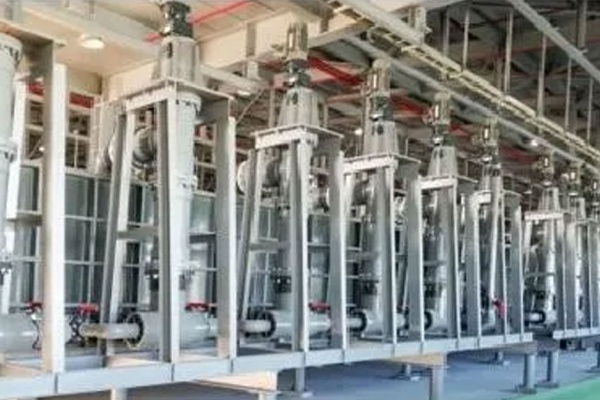
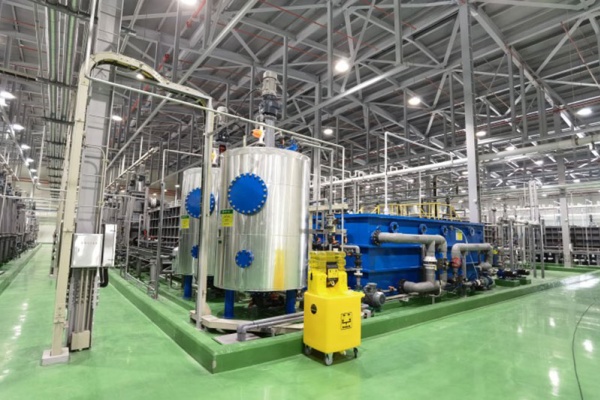
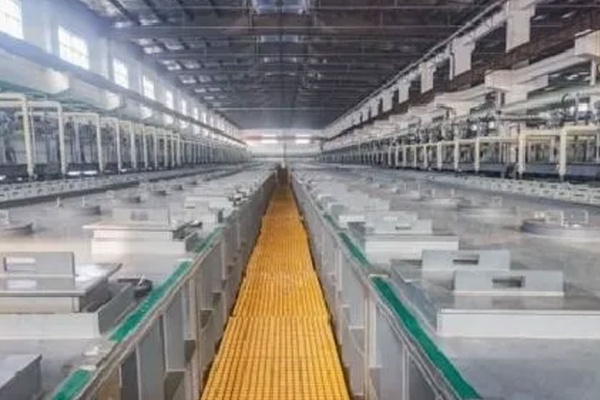
A large lithium battery recycling facility requires more than shredding equipment. Depending on the selected process, a complete recycling line may include:
- Battery dismantling and preprocessing systems
- Leaching and hydrometallurgical equipment
- Solvent extraction systems
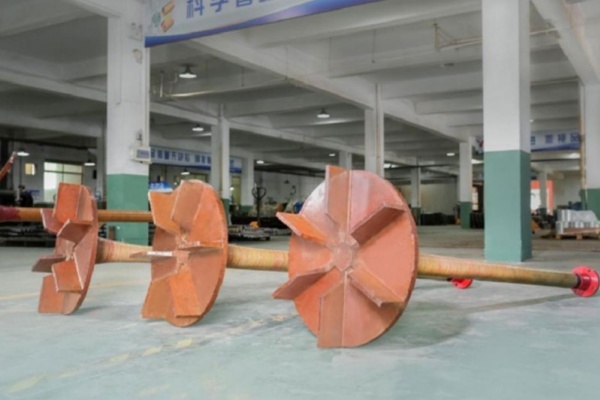
- Mixing and separation equipment
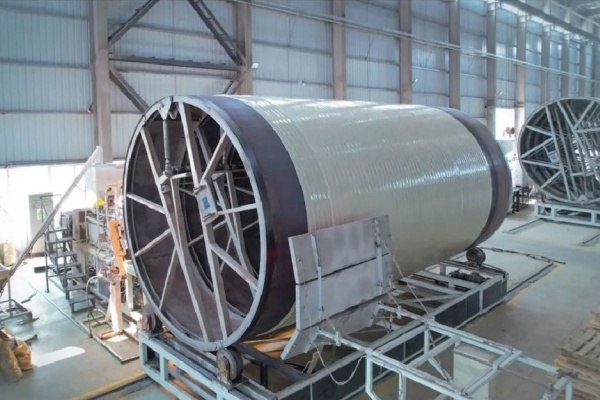
- Corrosion-resistant storage tanks
- Oil-removal and purification systems
- Wastewater treatment systems
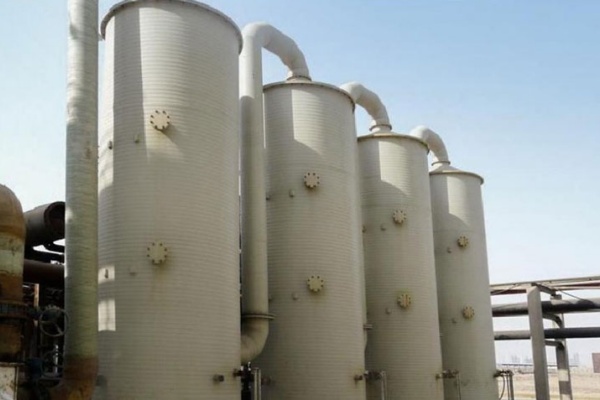
- Waste-gas collection and treatment systems
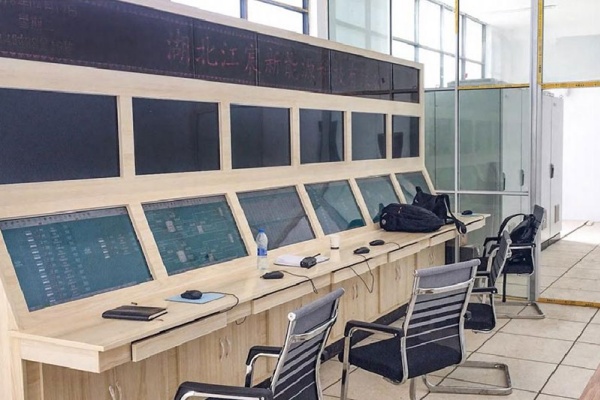
- Electrical automation and process-control systems
For hydrometallurgical projects, equipment reliability directly affects recovery efficiency, product purity, operating stability, environmental compliance, and overall plant economics.
TYIC provides engineering and equipment solutions covering battery recycling process design, leaching and extraction lines, tubular mixing extractors, mixing tanks, micro-interface oil-removal systems, corrosion-resistant tanks, wastewater treatment, waste-gas treatment, automation, installation, and commissioning.
Capacity Is Only One Evaluation Factor
Large capacity does not automatically mean superior recycling performance.
Battery recyclers and project developers should also evaluate:
- Actual operating throughput
- Metal recovery rate
- Recovered material purity
- Feedstock availability
- Process stability
- Energy consumption
- Chemical consumption
- Environmental treatment capability
- Automation level
- Expansion potential
For lithium battery recycling projects, the best-performing facility is therefore not necessarily the plant with the largest nameplate capacity.
Reliable process integration, high recovery efficiency, stable equipment, and environmental compliance ultimately determine long-term battery recycling performance.
 English
  Deutsch
  Français
  Português
  Español
  Italiano